Comprehensive Safety Architecture for Worry-Free Operation
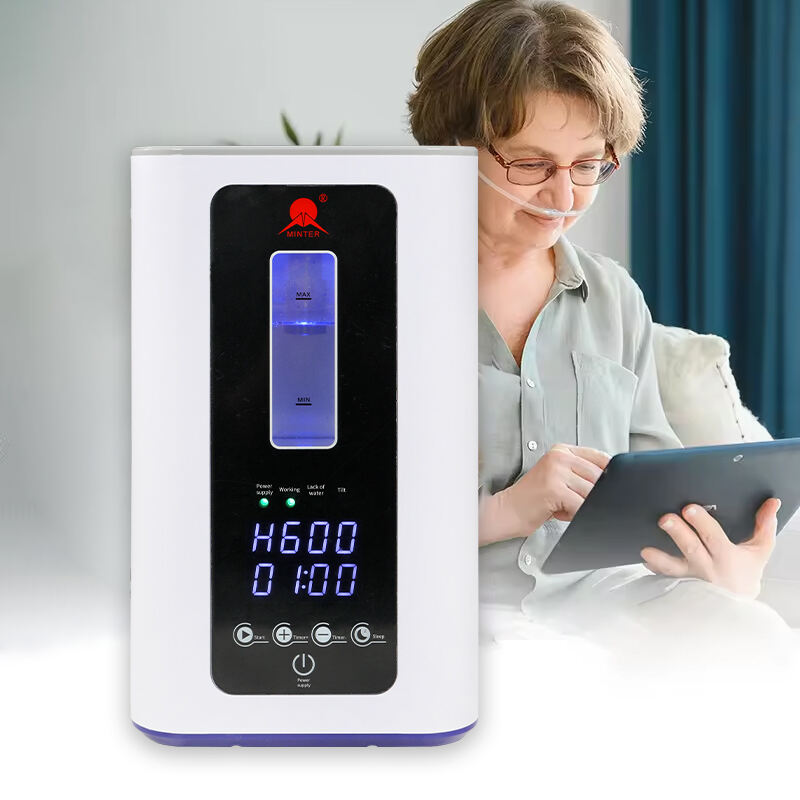
Safety represents the paramount consideration in hydrogen gas inhaler design, with manufacturers implementing multiple redundant protective systems that ensure secure operation under all normal usage conditions and gracefully handle potential anomalies. The foundation of this safety architecture begins with pressure regulation mechanisms that prevent hydrogen gas from accumulating at dangerous levels within the device or delivery system. Precision pressure sensors continuously monitor internal gas pressure, triggering automatic venting or production slowdown if readings approach predetermined thresholds. This proactive pressure management eliminates risks associated with gas buildup while maintaining optimal delivery pressure for comfortable inhalation. Water level monitoring constitutes another critical safety feature, as electrolysis chambers require adequate water volume to function properly and safely. The hydrogen gas inhaler incorporates sensors that detect low water conditions and immediately halt operation, preventing damage to electrolysis components and eliminating any possibility of dry operation that could generate excessive heat or compromise gas purity. Clear visual and audible alerts notify users when water replenishment becomes necessary, with some models featuring transparent reservoirs that provide direct visual confirmation of water levels. Electrical safety systems protect both users and the device through multiple layers of protection including surge suppression, short-circuit prevention, and ground fault detection. These safeguards ensure that electrical anomalies, whether originating from power supply fluctuations or internal component issues, cannot create hazardous conditions. The hydrogen gas inhaler power supply typically operates at low voltages, further minimizing electrical risks even in the unlikely event of insulation failure or user contact with internal components. Thermal protection mechanisms monitor operating temperatures across critical components, particularly the electrolysis chamber and power supply sections where heat generation naturally occurs during operation. Should temperatures exceed safe ranges, the hydrogen gas inhaler automatically reduces power output or initiates complete shutdown, preventing thermal damage and eliminating fire risks. Cooling fans activate automatically based on temperature readings, maintaining optimal thermal conditions during extended sessions. Material selection throughout the hydrogen gas inhaler construction prioritizes biocompatibility and chemical stability, ensuring that all surfaces contacting water or hydrogen gas remain inert and non-reactive. Food-grade plastics, medical-grade silicones, and corrosion-resistant metals comprise the primary construction materials, preventing any leaching of harmful substances into the gas stream or water reservoir. Quality control processes verify material purity and performance before assembly, maintaining stringent standards that protect user health. The hydrogen gas inhaler also incorporates automatic maintenance monitoring that tracks operating hours, session counts, and component lifecycles. Timely maintenance reminders appear on the display interface, prompting users to perform routine cleaning, replace filters, or schedule professional servicing based on actual usage patterns rather than arbitrary time intervals.