Hydrogen Inhalation Device: Advanced Wellness Technology for Home and Clinical Use

hydrogen inhalation device

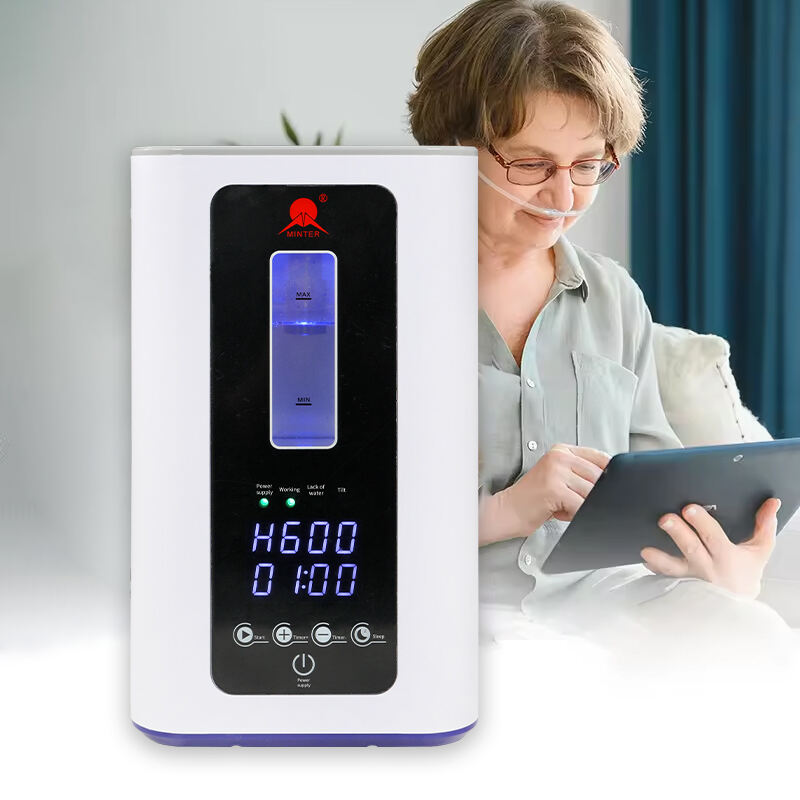
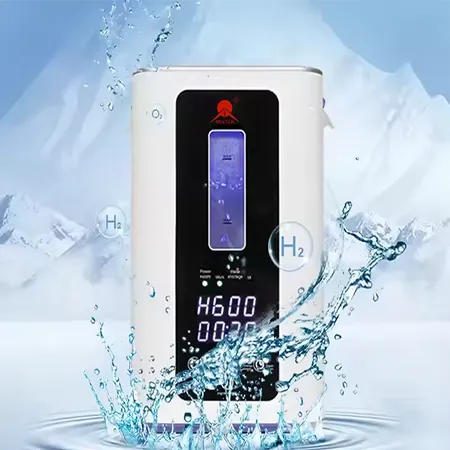
A hydrogen inhalation device represents an innovative wellness technology designed to deliver molecular hydrogen gas directly into the respiratory system for therapeutic purposes. This specialized equipment generates high-purity hydrogen through advanced electrolysis processes, separating water molecules into hydrogen and oxygen components. The device allows users to inhale controlled concentrations of hydrogen gas, typically mixed with ambient air to ensure safety and optimal absorption. Modern hydrogen inhalation devices incorporate sophisticated filtration systems, precise flow control mechanisms, and user-friendly interfaces that make the therapy accessible for both clinical and home use. The primary function centers on providing a convenient method to introduce molecular hydrogen into the body, where it acts as a selective antioxidant targeting harmful free radicals. These devices vary in capacity, ranging from portable personal units producing 150-300 milliliters per minute to larger clinical-grade systems generating up to 600 milliliters per minute or more. The technology behind hydrogen inhalation devices has evolved significantly, incorporating safety features such as automatic shut-off mechanisms, pressure sensors, and purity monitors to ensure consistent performance. Applications span multiple domains including wellness centers, medical facilities, sports recovery programs, and personal health management. Users typically engage in sessions lasting 30 to 60 minutes, during which they breathe normally through a nasal cannula or face mask connected to the hydrogen inhalation device. The equipment operates quietly, making it suitable for use during relaxation, meditation, or even while working. Advanced models feature digital displays showing real-time hydrogen concentration levels, session timers, and maintenance reminders. The hydrogen inhalation device has gained recognition in various countries as a complementary approach to supporting overall wellness, with research exploring its potential benefits across numerous health conditions. The technology continues to advance with improvements in efficiency, portability, and ease of use, making hydrogen therapy more accessible to a broader audience seeking natural approaches to health optimization.
New Product Releases

The hydrogen inhalation device offers numerous practical benefits that make it an attractive option for individuals seeking to enhance their wellness routines. First and foremost, the device provides a non-invasive method to introduce molecular hydrogen into your system without requiring injections, medications, or complex procedures. You simply breathe normally while the equipment delivers hydrogen-enriched air, making the experience comfortable and stress-free. The convenience factor stands out significantly, as modern hydrogen inhalation devices are designed for straightforward operation with minimal setup requirements. Most units require only distilled water and a power source, allowing you to begin sessions within minutes of unpacking the device. This simplicity means you can incorporate hydrogen therapy into your daily schedule without disrupting your routine or requiring special training. Another major advantage lies in the targeted delivery method. When you use a hydrogen inhalation device, the molecular hydrogen enters your bloodstream rapidly through the lungs, achieving systemic distribution throughout your body efficiently. This direct pathway ensures that hydrogen reaches various tissues and organs quickly, potentially maximizing its antioxidant properties. The devices also offer flexibility in usage patterns, allowing you to adjust session duration and frequency based on your personal preferences and goals. Many users appreciate the ability to multitask during sessions, whether reading, watching television, or working on a computer, since the hydrogen inhalation device operates hands-free once connected. Cost-effectiveness represents another compelling advantage when compared to repeated visits to wellness centers or clinics offering hydrogen therapy. Investing in a personal hydrogen inhalation device provides unlimited access to therapy sessions at home, eliminating travel time and recurring appointment fees. The equipment typically features durable construction with long operational lifespans, making it a worthwhile investment for long-term wellness support. Safety profiles of hydrogen inhalation devices are favorable, as molecular hydrogen is a naturally occurring element that your body recognizes and processes without adverse reactions in most individuals. The devices incorporate multiple safety mechanisms including automatic pressure regulation and overheat protection, giving you peace of mind during use. Maintenance requirements remain minimal, usually involving periodic water changes and occasional filter replacements, which most users can handle independently. The quiet operation of modern hydrogen inhalation devices ensures they do not create disturbances in your living space, making them suitable for use at any time of day. Additionally, the compact footprint of many models means they fit easily on desktops, nightstands, or countertops without consuming excessive space. For families, a single hydrogen inhalation device can serve multiple household members, providing shared access to hydrogen therapy and maximizing the value of your investment. The growing body of research supporting hydrogen therapy adds credibility to these devices, giving users confidence in their choice to incorporate this technology into their wellness practices.

Latest News

Minter: Revolutionizing Healthcare with Advanced Hydrogen Solutions & Wellness Gadgets

21

Aug

Minter: Revolutionizing Healthcare with Advanced Hydrogen Solutions & Wellness Gadgets

Minter, a pioneering force in the health tech industry, is dedicated to enhancing well-being through innovative products designed for modern lifestyles. Our core portfolio encompasses a range of cutting-edge healthcare solutions, including hydrogen i...
View More
Discover Minter - Your One-Stop Solution for Holistic Healthcare

21

Aug

Discover Minter - Your One-Stop Solution for Holistic Healthcare

Minter, a leading name in the healthcare industry, is dedicated to providing innovative and high-quality health care products that cater to your every need. Our main products include hydrogen inhaler, hydrogen water bottle, dental products, massage p...
View More
Unlock Health and Wellness with Minter's Innovative Products

30

Apr

Unlock Health and Wellness with Minter's Innovative Products

In today's fast-paced world, maintaining good health can be challenging. Minter understands this all too well, which is why we have dedicated ourselves to the development and distribution of a wide range of health care products. Our commitment to inn...
View More

Get a Free Quote

Our representative will contact you soon.
Email
Name
Company Name
Message
0/1000

hydrogen inhalation device

Advanced Electrolysis Technology for Pure Hydrogen Generation

Advanced Electrolysis Technology for Pure Hydrogen Generation

The cornerstone of any effective hydrogen inhalation device lies in its electrolysis technology, which determines the purity, consistency, and safety of the hydrogen gas produced. Premium hydrogen inhalation devices employ proton exchange membrane (PEM) electrolysis or solid polymer electrolyte (SPE) technology, representing the most advanced methods for splitting water molecules into hydrogen and oxygen. This sophisticated process occurs within specially designed electrolysis chambers where electrical current passes through purified water, causing molecular separation at the atomic level. The PEM technology used in quality hydrogen inhalation devices ensures that the hydrogen produced achieves purity levels exceeding 99.99 percent, eliminating concerns about contaminants or impurities that could compromise the therapeutic experience. The electrolysis plates within these devices are typically constructed from titanium coated with platinum or other noble metals, materials chosen for their exceptional conductivity, corrosion resistance, and longevity. These high-grade components ensure consistent hydrogen production over thousands of hours of operation, providing reliable performance that justifies the investment in a quality hydrogen inhalation device. The technology also incorporates intelligent power management systems that optimize energy consumption while maintaining steady hydrogen output, making the devices economical to operate over extended periods. Temperature control mechanisms within the electrolysis chamber prevent overheating, which could otherwise degrade component performance or affect hydrogen purity. Many advanced hydrogen inhalation devices feature real-time monitoring systems that display hydrogen concentration levels, allowing users to verify that their device is producing therapeutic-grade hydrogen at the intended flow rates. The separation of hydrogen and oxygen during electrolysis is managed through sophisticated membrane technology that ensures only hydrogen gas reaches the output pathway, while oxygen is safely vented away from the user interface. This separation is critical for both safety and efficacy, as it prevents the formation of potentially combustible gas mixtures while ensuring users receive pure hydrogen for inhalation. The electrolysis technology in modern hydrogen inhalation devices has been refined through years of research and development, incorporating lessons learned from industrial hydrogen production and adapting them for personal wellness applications. Users benefit from this technological evolution through devices that operate more efficiently, require less maintenance, and deliver more consistent results compared to earlier generation equipment. The advanced electrolysis systems also enable hydrogen inhalation devices to function reliably across varying environmental conditions, maintaining performance whether used in humid coastal regions or dry inland climates.
Precision Flow Control and Customizable Session Management

Precision Flow Control and Customizable Session Management

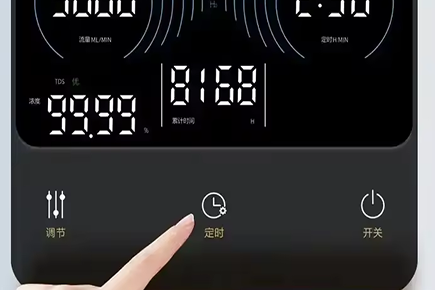
A distinguishing feature of professional-grade hydrogen inhalation devices is their sophisticated flow control systems that allow users to customize their therapy sessions according to individual needs and preferences. These devices incorporate precision regulators and flow meters that maintain consistent hydrogen delivery rates, ensuring that each session provides the intended therapeutic dose regardless of external factors. The ability to adjust flow rates gives users flexibility to start with lower concentrations and gradually increase as they become accustomed to hydrogen therapy, following a personalized progression that respects individual comfort levels. Most quality hydrogen inhalation devices offer flow rate options ranging from 150 milliliters per minute for gentle introduction to 600 milliliters per minute or higher for more intensive sessions, accommodating different user requirements and therapeutic goals. The flow control mechanisms work in conjunction with mixing chambers that blend hydrogen with ambient air, creating safe inhalation mixtures that fall well below combustibility thresholds while maximizing therapeutic potential. Digital interfaces on advanced hydrogen inhalation devices display real-time flow rates, allowing users to monitor their sessions and make adjustments as needed to optimize their experience. Session management features include programmable timers that automatically shut off the hydrogen inhalation device after preset durations, eliminating concerns about overuse and ensuring consistent session lengths that align with recommended protocols. Some devices incorporate memory functions that store preferred settings, enabling users to initiate their customary therapy sessions with a single button press rather than manually configuring parameters each time. The precision engineering behind these flow control systems ensures minimal variation in hydrogen delivery, providing reproducible results that users can rely upon for their wellness routines. Pressure compensation technology in premium hydrogen inhalation devices maintains steady flow rates even as water levels in the reservoir decrease during operation, preventing the gradual decline in hydrogen output that affects lesser quality equipment. The customization capabilities extend to humidity control in some models, where users can adjust the moisture content of the hydrogen-enriched air to match their comfort preferences, particularly important for individuals with sensitive respiratory systems. Safety interlocks within the flow control systems prevent the hydrogen inhalation device from operating outside safe parameters, automatically adjusting or shutting down if sensors detect conditions that could compromise user safety. The sophisticated session management features transform the hydrogen inhalation device from a simple gas generator into an intelligent wellness tool that adapts to user needs while maintaining rigorous safety standards. Users appreciate the autonomy these features provide, allowing them to take control of their hydrogen therapy experience without requiring constant supervision or professional assistance.
Ergonomic Design and User-Centric Interface for Effortless Operation

Ergonomic Design and User-Centric Interface for Effortless Operation

The practical value of a hydrogen inhalation device extends beyond its technical capabilities to encompass the overall user experience, which is why leading manufacturers prioritize ergonomic design and intuitive interfaces. Modern hydrogen inhalation devices feature streamlined exteriors with smooth contours that fit naturally into home and office environments, moving away from the clinical appearance of earlier medical equipment toward aesthetically pleasing designs that users feel comfortable displaying. The control panels on these devices employ clear, logical layouts with large buttons or touchscreens that respond reliably to user input, eliminating the frustration of complicated menu systems or ambiguous controls. Visual feedback through LED indicators or digital displays provides immediate confirmation of device status, showing users at a glance whether their hydrogen inhalation device is warming up, actively producing hydrogen, or requires attention for maintenance. The placement of water reservoirs in quality hydrogen inhalation devices reflects thoughtful engineering, with transparent tanks positioned for easy viewing of water levels and wide openings that simplify refilling without spills or splashes. Removable components such as water tanks, filters, and nasal cannulas are designed for tool-free removal and installation, enabling users to perform routine maintenance without technical expertise or special equipment. Cable management features including cord wraps or retractable power cables keep workspaces tidy and reduce tripping hazards, demonstrating attention to the practical realities of daily device use. The weight distribution and footprint of well-designed hydrogen inhalation devices ensure stability during operation while remaining light enough for users to relocate the equipment between rooms as needed. Ventilation grilles are strategically positioned to promote efficient cooling without directing airflow toward users or creating noise disturbances that could detract from the relaxing nature of hydrogen therapy sessions. Nasal cannulas and face masks included with hydrogen inhalation devices are manufactured from soft, medical-grade materials that rest comfortably against skin without causing irritation during extended sessions, with adjustable straps that accommodate different facial structures. The tubing connecting the hydrogen inhalation device to the delivery interface is engineered to remain flexible without kinking, maintaining consistent hydrogen flow while allowing users freedom of movement during sessions. Noise reduction technologies including vibration dampening mounts and acoustic insulation keep operational sounds to whisper-quiet levels, typically below 40 decibels, ensuring the hydrogen inhalation device does not disturb household members or interfere with activities like reading or meditation. User manuals accompanying quality hydrogen inhalation devices are written in clear, accessible language with illustrated instructions that guide users through setup, operation, and maintenance procedures without assuming technical knowledge. Some manufacturers provide companion mobile applications that connect to hydrogen inhalation devices via Bluetooth, offering session tracking, maintenance reminders, and usage statistics that help users optimize their hydrogen therapy routines. The combination of thoughtful physical design and user-friendly interfaces transforms the hydrogen inhalation device from a complex piece of technology into an accessible wellness tool that integrates seamlessly into daily life.