Professional Hydrogen Inhaler Suppliers - Quality Equipment & Expert Support

hydrogen inhaler suppliers

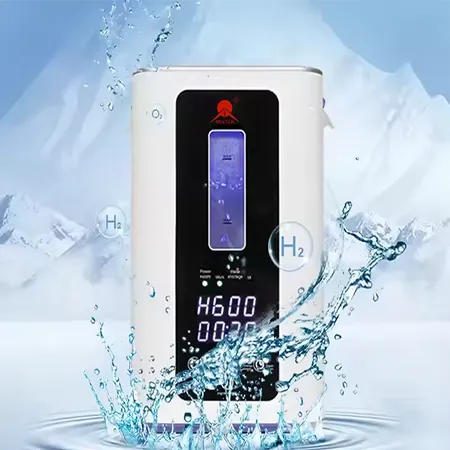
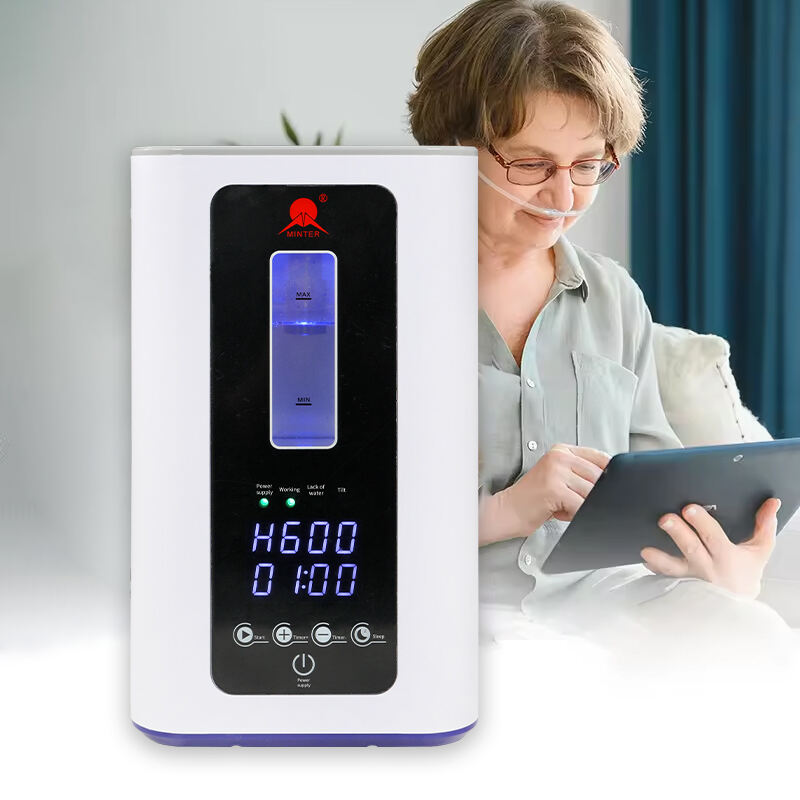
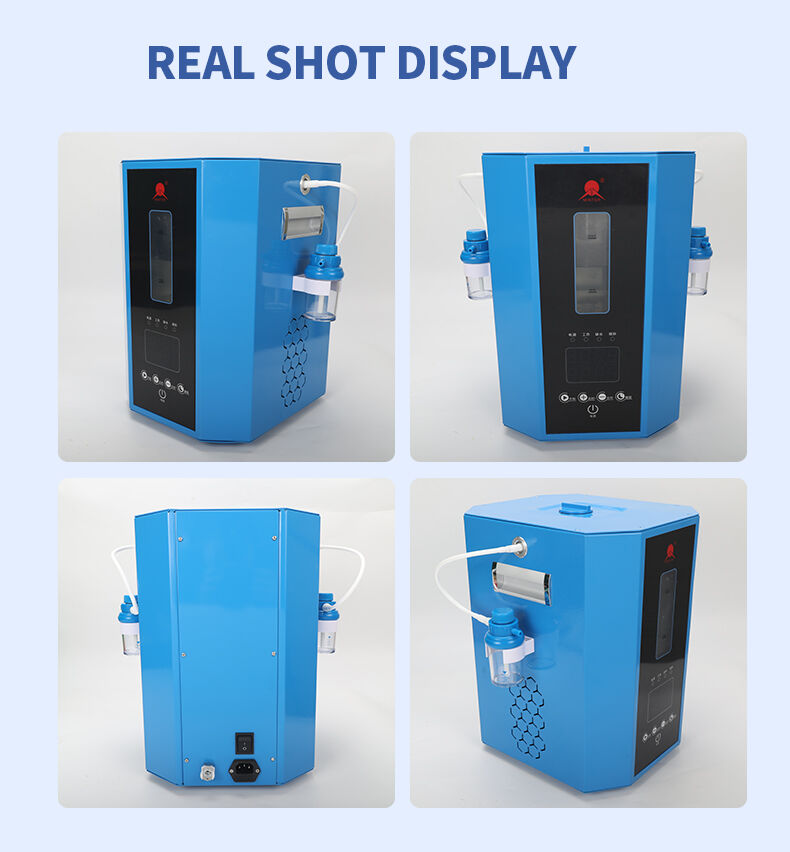
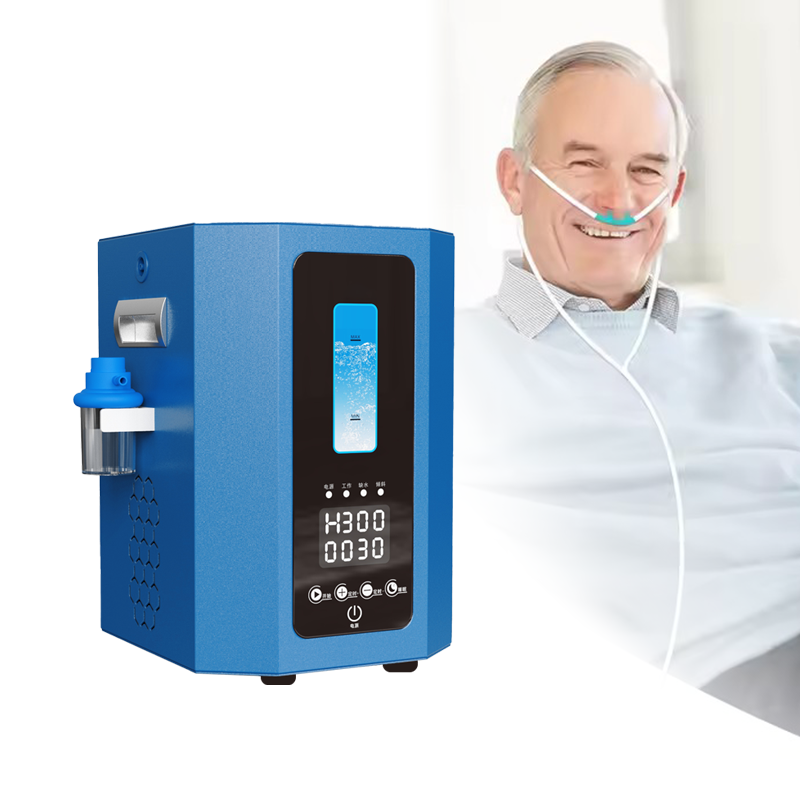
Hydrogen inhaler suppliers represent a specialized segment of the wellness and medical equipment industry, providing devices that enable users to breathe molecular hydrogen gas for therapeutic purposes. These suppliers source, manufacture, or distribute hydrogen inhalation equipment designed to deliver precise concentrations of hydrogen gas through nasal cannulas or face masks. The primary function of these devices centers on generating pure hydrogen gas through electrolysis of water, separating hydrogen molecules from oxygen, and delivering them at controlled flow rates typically ranging from 150 to 600 milliliters per minute. Hydrogen inhaler suppliers serve diverse markets including healthcare facilities, wellness centers, research institutions, and individual consumers seeking alternative health solutions. The technological foundation of these devices involves sophisticated electrolysis chambers with platinum or titanium electrodes that split water molecules efficiently while maintaining safety standards. Modern hydrogen inhalers incorporate digital displays, adjustable flow controls, automatic shut-off mechanisms, and purity monitoring systems to ensure consistent hydrogen delivery. Applications span multiple domains: clinical settings use hydrogen inhalation for oxidative stress reduction, inflammation management, and recovery support; athletic facilities employ these devices for performance enhancement and faster recovery; wellness centers integrate hydrogen therapy into holistic health programs; and home users adopt them for daily wellness routines. Hydrogen inhaler suppliers differentiate themselves through product quality, certification standards, customer support, warranty coverage, and educational resources. Leading suppliers maintain rigorous quality control processes, provide comprehensive user training, and offer ongoing technical support. The devices typically feature compact designs suitable for both stationary and portable use, with some models weighing less than five kilograms for easy transportation. Safety features include pressure relief valves, water level sensors, and automatic power cutoffs to prevent operational hazards. Hydrogen inhaler suppliers also provide replacement parts, maintenance services, and consumables such as distilled water and nasal cannulas, creating comprehensive support ecosystems for their customers.

New Products

Choosing reputable hydrogen inhaler suppliers delivers tangible benefits that directly impact user experience and long-term satisfaction. First, established suppliers provide access to certified equipment that meets international safety standards, eliminating concerns about device reliability and user safety. These suppliers conduct rigorous testing protocols before products reach customers, ensuring each unit performs consistently and delivers hydrogen at specified purity levels above 99.99 percent. This quality assurance translates into peace of mind for buyers who can trust their investment will function as promised without unexpected failures or safety incidents. Second, professional hydrogen inhaler suppliers offer comprehensive customer education programs that empower users to maximize therapeutic benefits. They provide detailed operation manuals, video tutorials, and responsive customer service teams who answer technical questions and troubleshoot issues promptly. This educational support proves invaluable for first-time users who need guidance on optimal usage protocols, maintenance schedules, and safety precautions. Third, working with established suppliers grants access to warranty protection and after-sales service networks that protect your investment over time. Quality suppliers typically offer warranties ranging from one to three years, covering manufacturing defects and component failures. They maintain spare parts inventories and employ trained technicians who can perform repairs or replacements quickly, minimizing downtime. Fourth, reputable suppliers stay current with technological advancements and regulatory changes, ensuring their product lines incorporate the latest innovations in hydrogen generation efficiency, user interface design, and safety mechanisms. Customers benefit from ongoing product improvements without needing to research developments independently. Fifth, bulk purchasing options and flexible payment terms from established suppliers make hydrogen therapy more accessible to clinics, wellness centers, and group buyers who need multiple units. Volume discounts and financing arrangements reduce upfront costs while maintaining equipment quality. Sixth, trusted suppliers provide transparent product specifications, third-party testing results, and customer testimonials that enable informed purchasing decisions. This transparency builds confidence and helps buyers select devices matching their specific needs, whether for clinical applications requiring higher flow rates or personal wellness use with compact portable models. Seventh, established supplier networks often include training programs for healthcare professionals, ensuring proper integration of hydrogen therapy into treatment protocols. Finally, working with recognized suppliers provides access to communities of users and practitioners who share experiences, protocols, and outcomes, creating valuable knowledge-sharing opportunities that enhance therapeutic results.

Tips And Tricks

Minter: Revolutionizing Healthcare with Advanced Hydrogen Solutions & Wellness Gadgets

21

Aug

Minter: Revolutionizing Healthcare with Advanced Hydrogen Solutions & Wellness Gadgets

Minter, a pioneering force in the health tech industry, is dedicated to enhancing well-being through innovative products designed for modern lifestyles. Our core portfolio encompasses a range of cutting-edge healthcare solutions, including hydrogen i...
View More
Discover Minter - Your One-Stop Solution for Holistic Healthcare

21

Aug

Discover Minter - Your One-Stop Solution for Holistic Healthcare

Minter, a leading name in the healthcare industry, is dedicated to providing innovative and high-quality health care products that cater to your every need. Our main products include hydrogen inhaler, hydrogen water bottle, dental products, massage p...
View More
Unlock Health and Wellness with Minter's Innovative Products

30

Apr

Unlock Health and Wellness with Minter's Innovative Products

In today's fast-paced world, maintaining good health can be challenging. Minter understands this all too well, which is why we have dedicated ourselves to the development and distribution of a wide range of health care products. Our commitment to inn...
View More

Get a Free Quote

Our representative will contact you soon.
Email
Name
Company Name
Message
0/1000

hydrogen inhaler suppliers

Certified Quality Standards and Safety Compliance

Certified Quality Standards and Safety Compliance

Hydrogen inhaler suppliers who prioritize certification and safety compliance provide customers with equipment that meets stringent international standards, delivering both performance reliability and user protection. This commitment to quality begins with adherence to medical device regulations such as CE marking in Europe, FDA guidelines in the United States, and ISO 13485 quality management systems that govern medical device manufacturing. Suppliers who maintain these certifications demonstrate their dedication to producing equipment that undergoes rigorous testing for electrical safety, electromagnetic compatibility, and biocompatibility of materials that contact users during inhalation sessions. The certification process requires extensive documentation of manufacturing processes, quality control procedures, and risk management protocols, ensuring every device leaving the facility meets predetermined specifications. For customers, this translates into confidence that their hydrogen inhaler will operate safely without electrical hazards, will not interfere with other medical equipment, and uses materials that will not cause allergic reactions or adverse health effects. Beyond initial certifications, leading hydrogen inhaler suppliers implement ongoing quality assurance programs that include batch testing, random sampling, and continuous improvement initiatives based on customer feedback and field performance data. These suppliers also ensure their hydrogen generation technology produces gas at purity levels exceeding 99.99 percent, with minimal contamination from other gases or particulates. This purity level is critical because impurities can reduce therapeutic effectiveness and potentially introduce unwanted substances into the respiratory system. Safety features integrated into certified devices include automatic shut-off mechanisms that activate when water levels drop too low, pressure relief valves that prevent dangerous gas buildup, overheat protection that stops operation if internal temperatures exceed safe thresholds, and leak detection systems that alert users to potential gas escape. Suppliers who prioritize safety also provide clear usage instructions, warning labels in multiple languages, and contraindication information to help users avoid inappropriate applications. The value of working with certified hydrogen inhaler suppliers extends beyond the device itself to encompass comprehensive documentation that supports insurance reimbursement claims, regulatory compliance for clinical facilities, and liability protection for practitioners incorporating hydrogen therapy into treatment offerings. These suppliers maintain detailed records of component sourcing, manufacturing dates, and quality test results, enabling full traceability if issues arise. They also stay current with evolving regulations and proactively update their products and documentation to maintain compliance, protecting customers from obsolescence and regulatory violations.
Comprehensive Technical Support and User Education

Comprehensive Technical Support and User Education

Distinguished hydrogen inhaler suppliers recognize that equipment quality alone does not ensure successful outcomes; users need ongoing support and education to maximize therapeutic benefits and maintain devices properly. This understanding drives leading suppliers to develop comprehensive support infrastructures that begin before purchase and continue throughout the product lifecycle. Pre-purchase consultation services help potential customers assess their specific needs, understand different device capabilities, and select models appropriate for intended applications, whether clinical treatment, athletic recovery, or personal wellness. These consultations often include demonstrations, trial periods, and detailed comparisons of features, flow rates, and operational characteristics. Once customers commit to purchase, quality suppliers provide thorough onboarding that includes unpacking assistance, initial setup guidance, and operational training covering all device functions, safety features, and maintenance requirements. This training often combines written materials, video tutorials, and live instruction sessions conducted by knowledgeable staff who can answer questions and address concerns in real time. For clinical and commercial customers, suppliers may offer on-site installation and staff training to ensure proper integration into existing workflows and treatment protocols. The educational component extends beyond basic operation to include evidence-based usage protocols, optimal session durations, recommended frequencies, and integration strategies for combining hydrogen inhalation with other therapies or wellness practices. Leading suppliers curate research summaries, case studies, and outcome data that help users understand the scientific foundation of hydrogen therapy and set realistic expectations for results. Technical support infrastructure includes multiple contact channels such as phone hotlines, email support, live chat, and online knowledge bases with searchable FAQs, troubleshooting guides, and maintenance videos. Response times matter significantly when devices malfunction or users encounter operational issues, so quality suppliers maintain adequate support staff to provide timely assistance, typically within 24 hours for non-urgent inquiries and immediately for safety-related concerns. Advanced suppliers offer remote diagnostics capabilities that allow technicians to assess device performance, identify issues, and guide users through solutions without requiring equipment shipment. Maintenance support includes scheduled service reminders, replacement part availability, and clear instructions for user-serviceable tasks like electrode cleaning and water system flushing. Suppliers who excel in this area also foster user communities through online forums, social media groups, and periodic webinars where customers can share experiences, ask questions, and learn from peers and experts. This community-building approach creates valuable networks that enhance user confidence, improve outcomes through shared knowledge, and build long-term loyalty to suppliers who facilitate these connections.
Product Innovation and Technological Advancement

Product Innovation and Technological Advancement

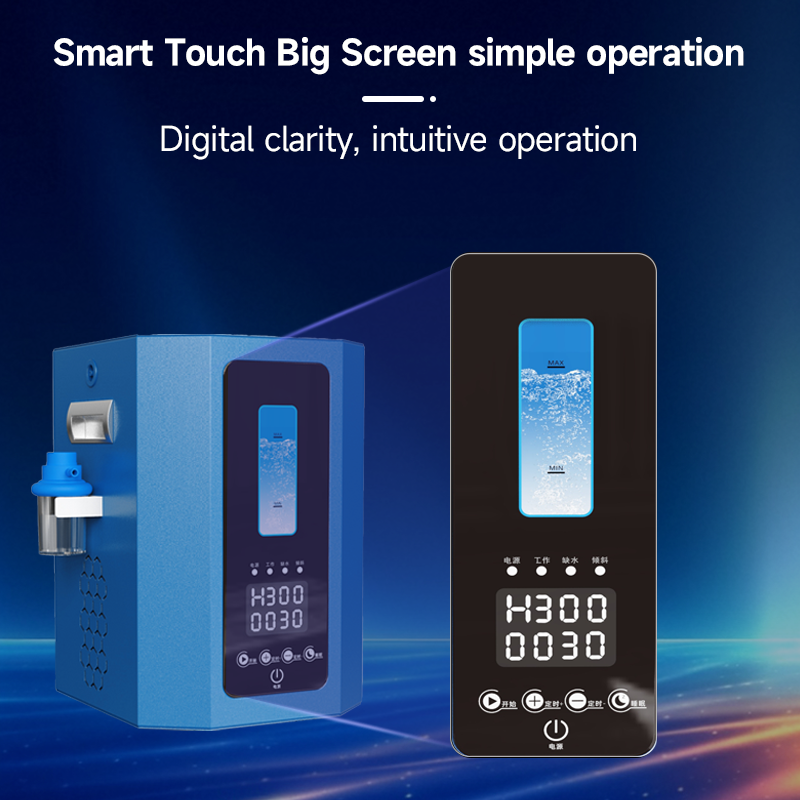
Forward-thinking hydrogen inhaler suppliers invest continuously in research and development to enhance device performance, user experience, and therapeutic effectiveness, delivering innovations that keep customers at the forefront of hydrogen therapy technology. This commitment to advancement manifests in multiple dimensions of product development, beginning with improvements in hydrogen generation efficiency that increase output while reducing energy consumption and operational costs. Modern electrolysis technologies employed by innovative suppliers achieve higher hydrogen production rates from smaller, lighter devices, making therapy more accessible and convenient for users who need portable solutions or have limited space. Advanced electrode materials and optimized cell designs extend component lifespan, reducing maintenance frequency and long-term ownership costs. User interface innovations represent another critical area where leading suppliers differentiate themselves, incorporating touchscreen controls, intuitive menu systems, and preset programs that simplify operation for users of all technical skill levels. Smart connectivity features enable device monitoring and control through smartphone applications, allowing users to track session history, receive maintenance alerts, and adjust settings remotely. Some advanced models integrate with health tracking platforms, enabling users to correlate hydrogen therapy sessions with other wellness metrics like sleep quality, exercise performance, and subjective well-being assessments. Data logging capabilities provide valuable insights for both personal users and clinical practitioners who need to document treatment protocols and outcomes for research or reimbursement purposes. Safety innovations continue to evolve as suppliers incorporate redundant protection systems, improved leak detection, and enhanced air quality monitoring that ensures users breathe only pure hydrogen without contaminants. Noise reduction technologies make newer devices significantly quieter than earlier generations, improving user comfort during extended sessions and enabling use in shared spaces without disturbing others. Portability improvements include lighter materials, more compact designs, and battery operation options that free users from wall outlets and enable therapy during travel or outdoor activities. Leading hydrogen inhaler suppliers also pioneer new application methods, developing dual-output systems that allow simultaneous use by two people, specialized cannulas that improve comfort and hydrogen delivery efficiency, and integration accessories that combine hydrogen inhalation with other modalities like aromatherapy or oxygen supplementation. Environmental considerations drive innovations in water efficiency, recyclable materials, and energy-saving modes that reduce ecological impact while lowering operating costs. Suppliers committed to advancement maintain relationships with research institutions, participate in clinical studies, and incorporate findings into product improvements, ensuring their devices reflect current scientific understanding of optimal hydrogen delivery parameters. This research collaboration also positions innovative suppliers to anticipate future regulatory requirements and market trends, developing next-generation features before competitors and providing customers with equipment that remains relevant and valuable for years after purchase.