User-Centric Interface with Intelligent Monitoring Systems
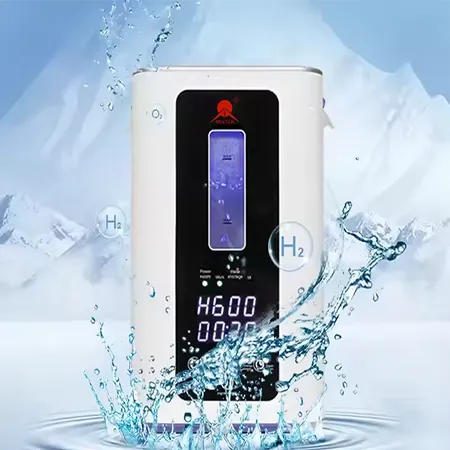
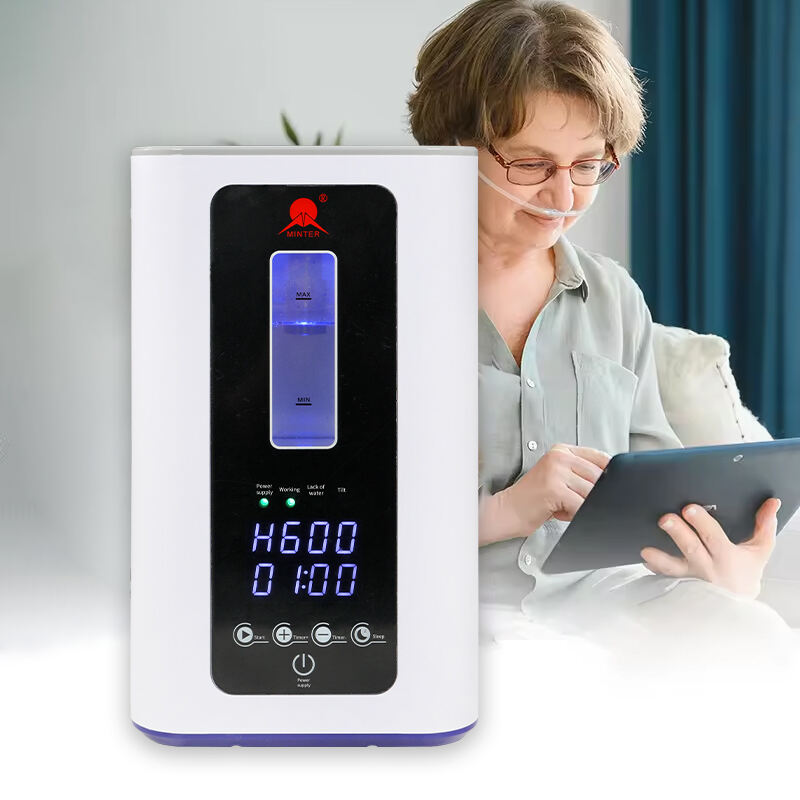
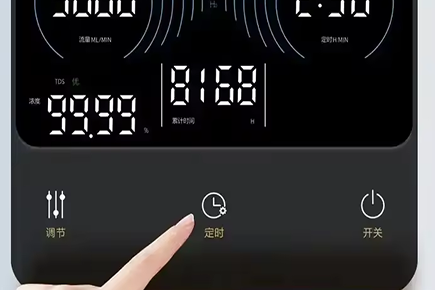
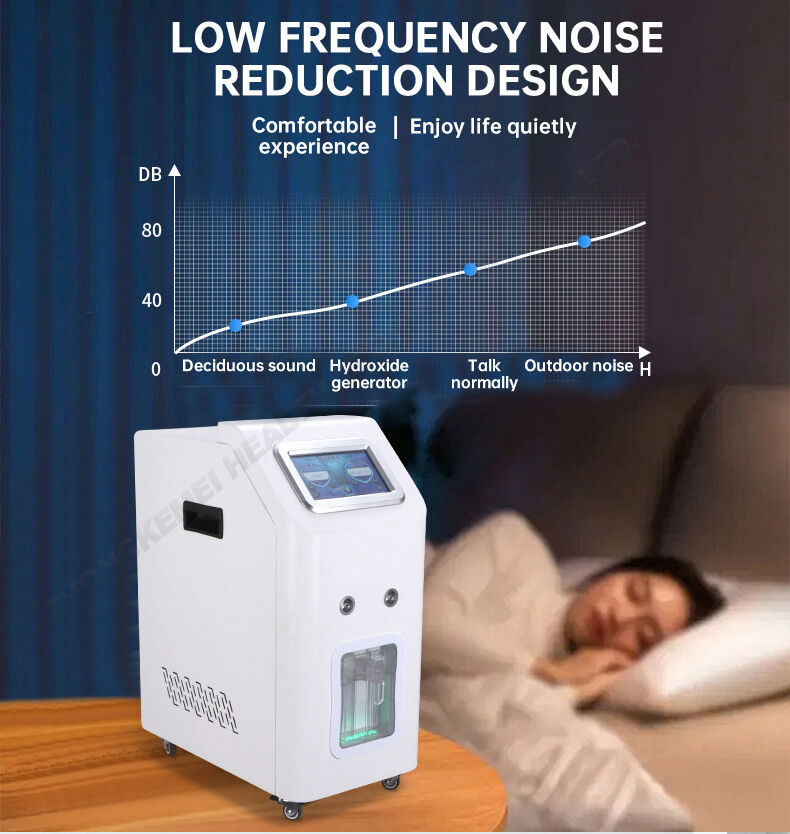
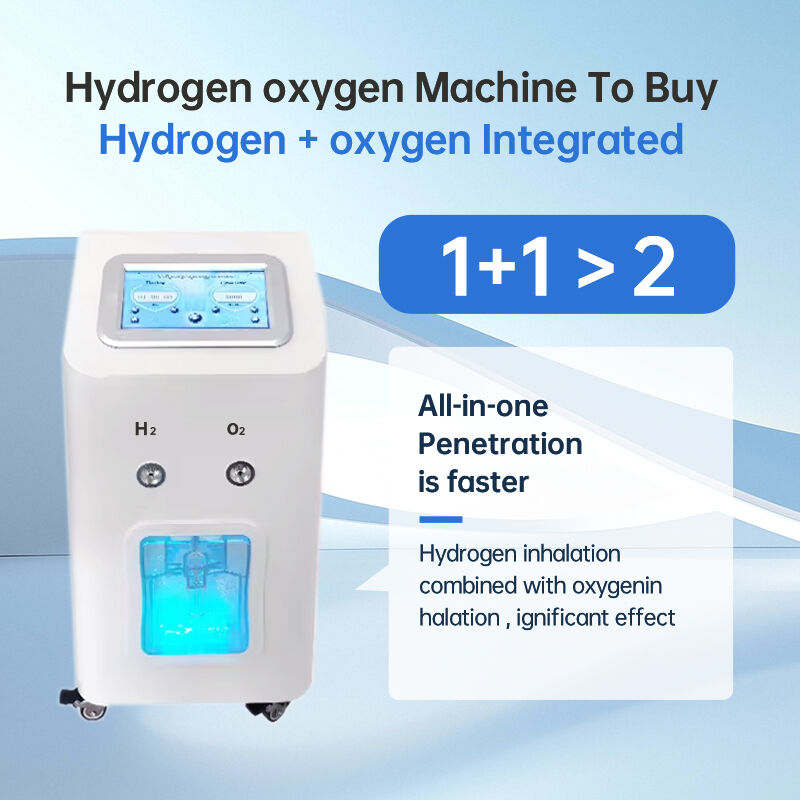
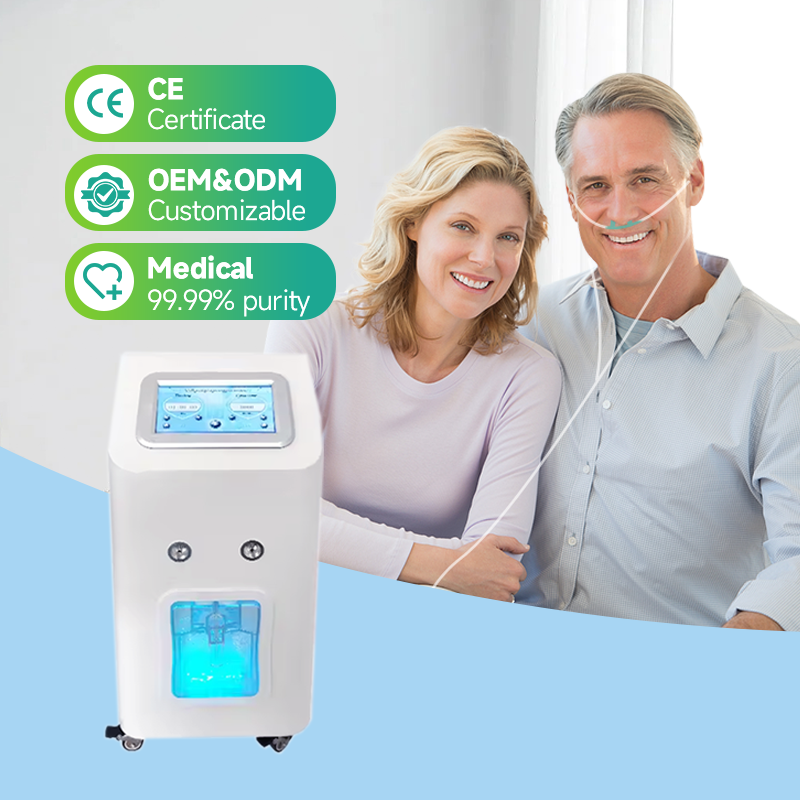
The lightweight hydrogen inhaler incorporates intuitive interface design that makes hydrogen therapy accessible to users regardless of their technical expertise or familiarity with medical devices. Digital displays present essential information clearly, showing hydrogen concentration levels, session duration, remaining water volume, and device status through easy-to-read screens that remain visible in various lighting conditions. Touch-sensitive controls or simple button interfaces allow users to start sessions, adjust settings, and navigate device functions without consulting manuals or memorizing complex command sequences. The intelligent monitoring systems continuously track multiple parameters during operation, ensuring that hydrogen production maintains therapeutic levels while device components function within safe operating ranges. These systems provide real-time feedback that helps users optimize their therapy sessions, with visual or audible alerts that indicate when water refills become necessary or when maintenance attention might improve performance. Timer functions built into the lightweight hydrogen inhaler allow users to preset session durations according to their therapy protocols, with automatic shut-off features that conserve energy and prevent unnecessarily extended operation. Memory functions in advanced models track usage patterns, helping users maintain consistent therapy schedules by recording session frequency and duration over time. The user interface design extends to the physical therapy delivery components, with comfortable nasal cannulas or face masks that accommodate extended wear without causing discomfort or irritation. Adjustable tubing lengths provide flexibility in device placement relative to user position, whether sitting upright, reclining, or lying down during therapy sessions. The lightweight hydrogen inhaler often includes multiple user profiles in family-use scenarios, allowing different household members to maintain separate therapy records and preferences without manual reconfiguration between users. Safety monitoring represents a critical aspect of the intelligent systems, with sensors that detect abnormal operating conditions and automatically pause hydrogen production if potential issues arise, protecting both users and the device itself. The maintenance reminder systems track operating hours and component lifecycles, alerting users when cleaning, filter replacement, or other upkeep tasks will help maintain optimal performance. Connectivity features in cutting-edge models enable smartphone app integration, allowing users to monitor their therapy history, receive maintenance notifications, and access educational resources about hydrogen therapy through their mobile devices.