Comprehensive Safety Systems for Worry-Free Operation
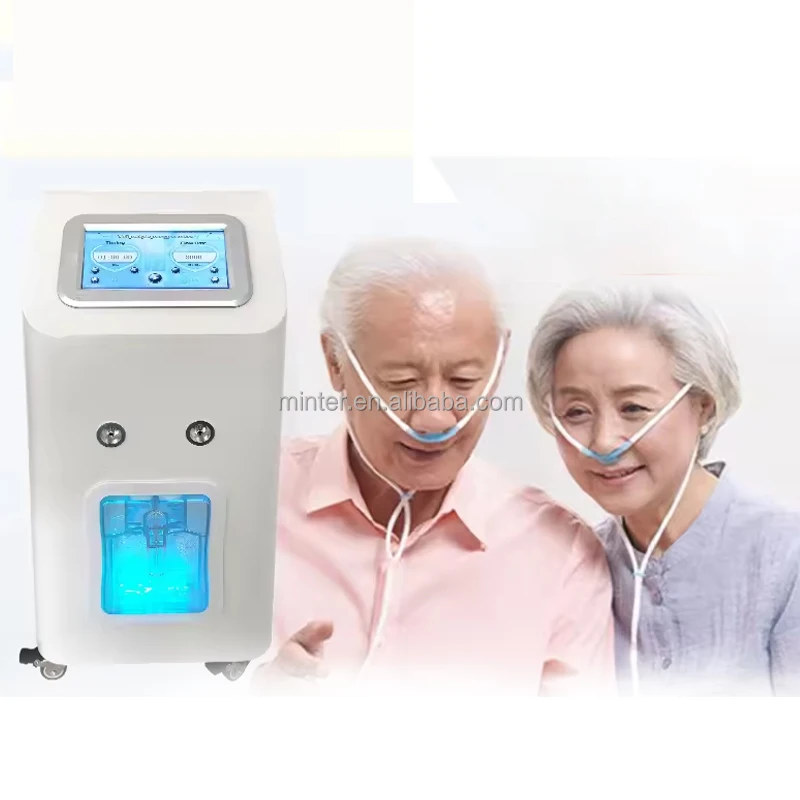
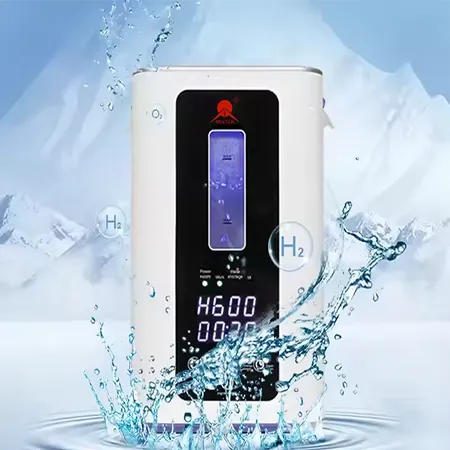
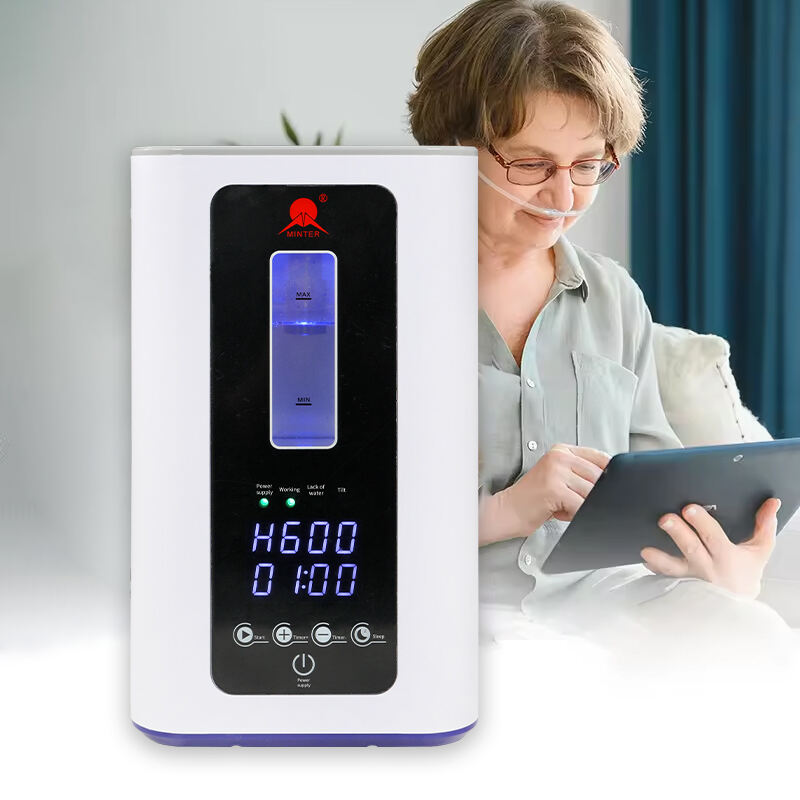
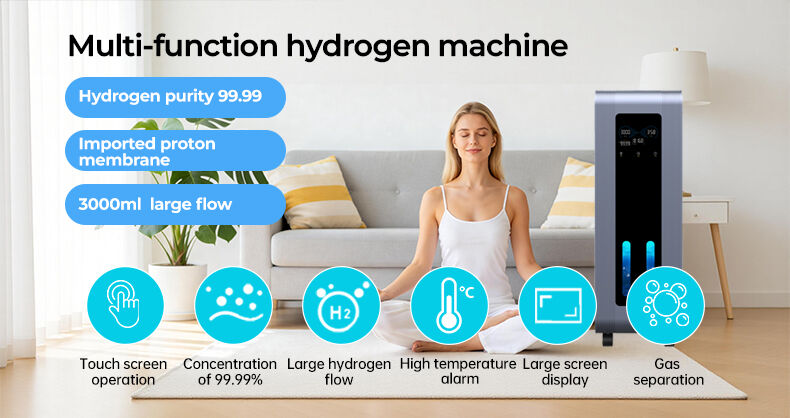
Safety engineering in portable hydrogen inhalation machines incorporates multiple redundant systems that protect users and equipment under all operating conditions, reflecting the medical-grade standards applied to these wellness devices. The primary safety consideration addresses hydrogen gas properties, as hydrogen is flammable at concentrations above 4 percent in air. However, portable hydrogen inhalation machines produce hydrogen at flow rates that, when mixed with ambient air during inhalation, result in concentrations well below 1 percent, far beneath any combustion threshold. Additionally, hydrogen's extreme buoyancy causes it to disperse rapidly upward, preventing accumulation in breathing zones. Pressure regulation systems maintain hydrogen generation at safe levels, typically below 0.2 megapascals, which poses no risk of container rupture or explosive decompression. Pressure relief valves automatically vent excess pressure if internal conditions exceed safe parameters, providing a fail-safe mechanism that operates independently of electronic controls. The electrical safety features in portable hydrogen inhalation machines include ground fault protection, short circuit prevention, and voltage regulation that accommodates fluctuations in power supply without damaging components or creating hazards. Double insulation separates user-accessible surfaces from electrical components, meeting international safety standards for personal medical devices. Automatic shut-off functions activate under multiple conditions: when water levels drop below minimum thresholds, when operating temperatures exceed safe ranges, when the device tips beyond 30 degrees from vertical, or when continuous operation exceeds programmed time limits. These automatic protections prevent user error from causing equipment damage or safety incidents, making the portable hydrogen inhalation machine suitable for unsupervised home use by individuals of all ages. Material selection for components that contact hydrogen gas or water follows strict biocompatibility standards, using food-grade plastics, medical-grade silicone, and corrosion-resistant metals that release no harmful substances during operation. Regular testing protocols verify that no toxic compounds leach into the hydrogen stream or water reservoir, even after extended use and repeated heating cycles. The nasal cannulas and face masks supplied with portable hydrogen inhalation machines use soft, hypoallergenic materials that minimize skin irritation during prolonged contact, with adjustable straps that secure comfortably without excessive pressure. Antimicrobial treatments on these accessories inhibit bacterial growth, maintaining hygiene between cleaning sessions. User manuals accompanying portable hydrogen inhalation machines provide clear safety guidelines, maintenance schedules, and troubleshooting procedures in multiple languages, ensuring that users worldwide can operate their devices safely and effectively. Customer support teams offer technical assistance for safety questions, operational concerns, or maintenance guidance, providing an additional safety layer through expert human oversight.