User-Friendly Operation with Intelligent Controls
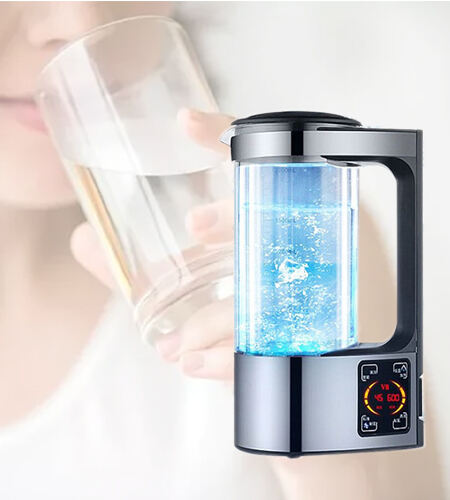
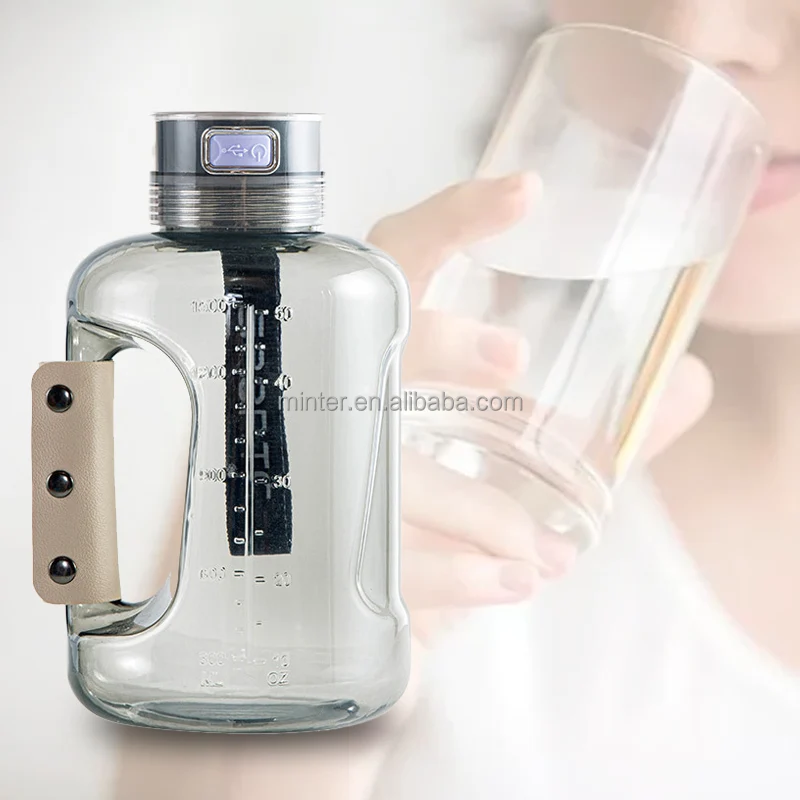
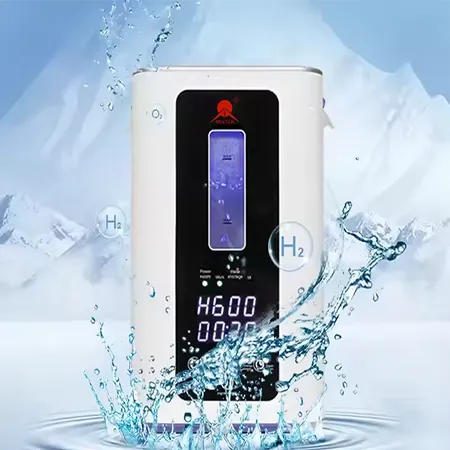
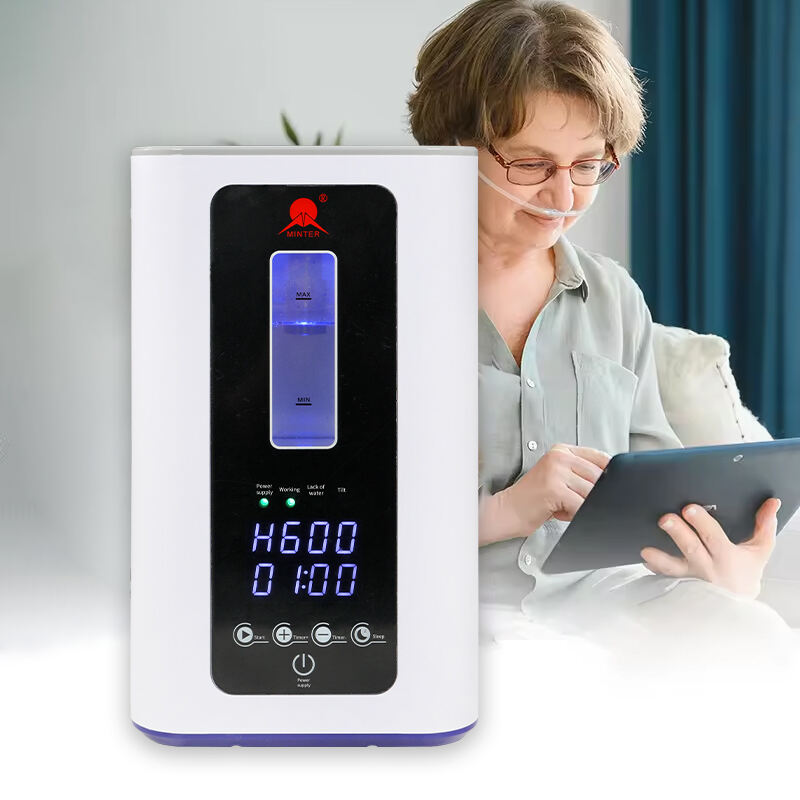
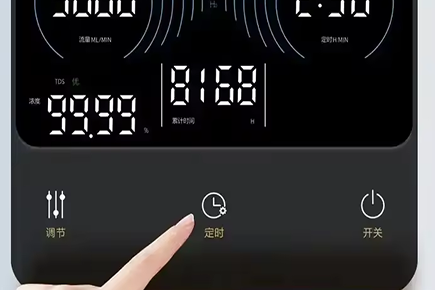
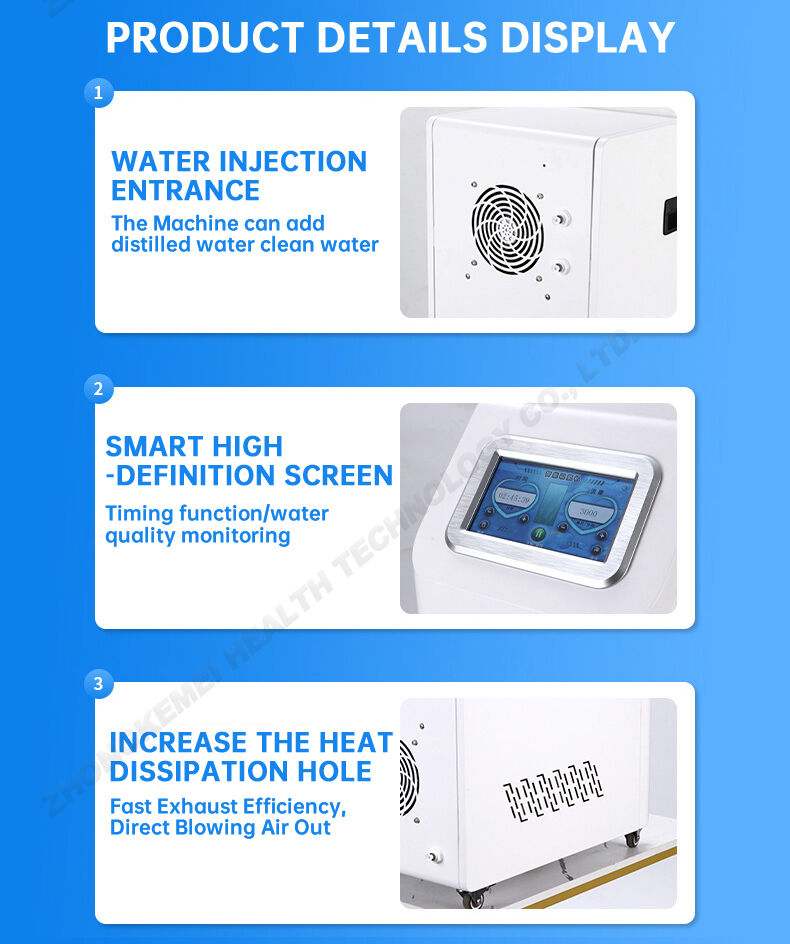
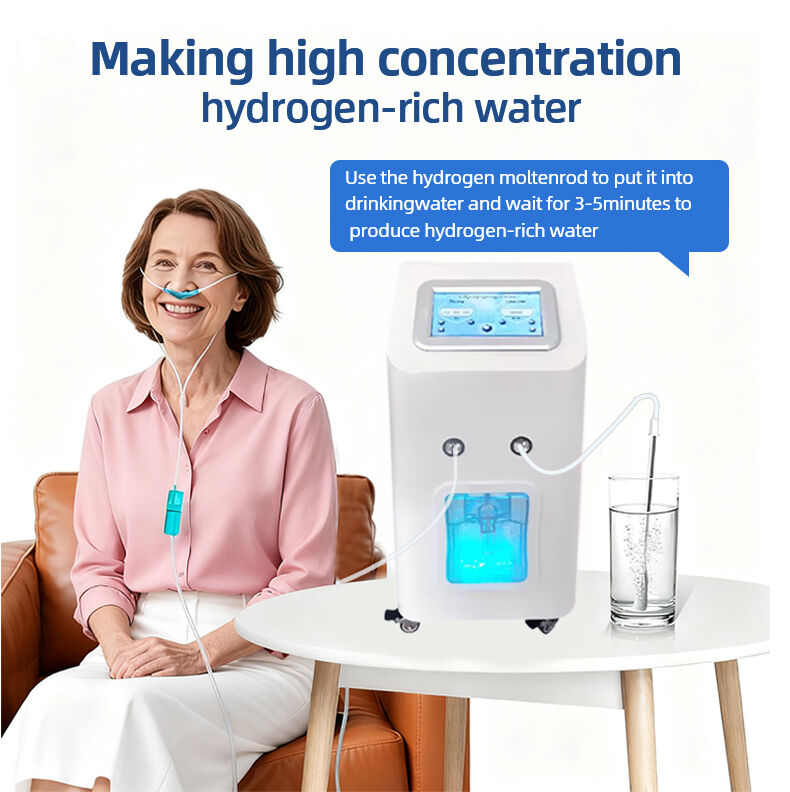
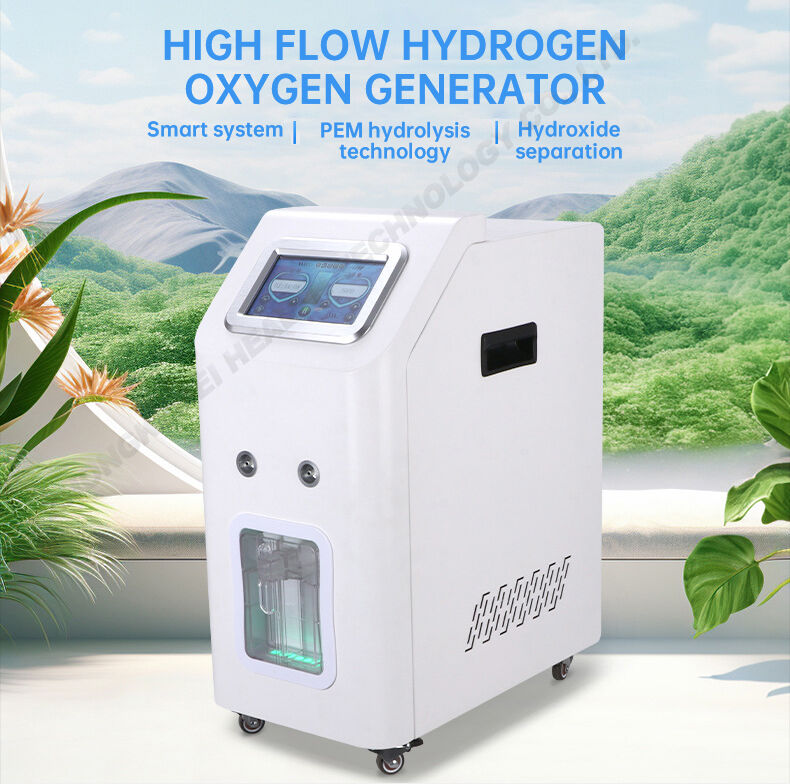
The small hydrogen inhaler distinguishes itself through intuitive operation that removes technical barriers between users and the wellness benefits they seek, incorporating intelligent controls that automate complex processes while providing transparency into device function and status. This user-centric design philosophy recognizes that wellness technology should enhance life rather than complicate it, leading to interfaces and operational flows that feel natural even for people with limited technical experience. The typical control scheme for a small hydrogen inhaler centers on a digital display panel featuring clearly labeled buttons or touch-sensitive controls that respond to simple taps or presses. The display itself presents essential information in easy-to-read formats, showing hydrogen production status, session duration, water level, and any alerts or maintenance reminders. Many models use intuitive icons alongside text labels, ensuring comprehension even for users who might struggle with small text or prefer visual communication. The startup sequence exemplifies the user-friendly approach, typically requiring nothing more than filling the water reservoir, connecting the nasal cannula or mask, and pressing a power button. The device handles all the complex initialization procedures automatically, running self-diagnostic checks, priming the electrolysis system, and ramping up hydrogen production to optimal levels without requiring user intervention or monitoring. This automation means you can initiate a session and immediately turn your attention to other activities like reading, working, or relaxing, rather than babysitting the equipment. Session management features built into modern small hydrogen inhalers further enhance usability by allowing you to preset treatment durations that align with your schedule and preferences. You might program a 30-minute session for morning use before work, a 45-minute session for evening relaxation, or a 60-minute session for intensive recovery after workouts. Once programmed, the device automatically terminates the session at the specified time, eliminating the need to watch clocks or set separate timers. Some advanced models offer multiple preset programs that you can select with a single button press, streamlining the startup process even further. The intelligent controls extend to maintenance and troubleshooting functions that help users keep their small hydrogen inhaler operating optimally without requiring technical expertise or professional service calls. The device monitors its own performance parameters and alerts you when routine maintenance becomes necessary, such as water reservoir cleaning or filter replacement. These alerts appear as clear messages on the display, often accompanied by simple instructions that guide you through the required procedures step by step. The proactive nature of these alerts means you address maintenance needs before they impact performance or cause malfunctions, maximizing uptime and device longevity. Safety interlocks represent another aspect of intelligent control design, with the small hydrogen inhaler refusing to operate if conditions are unsafe or if critical components are not properly installed. For example, the device will not begin hydrogen production if the water reservoir is empty, if the nasal cannula is not connected, or if the housing is not fully closed. These interlocks protect both the user and the equipment from damage that could result from improper operation, providing peace of mind especially for households where multiple family members might use the device.