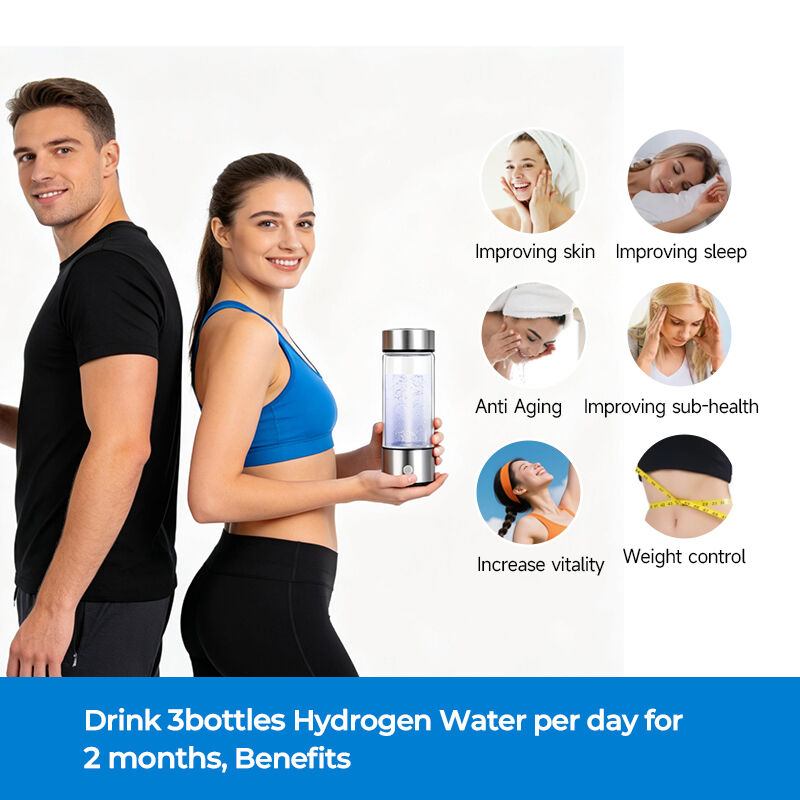
Choosing the right hydrogen water bottle is no longer a simple task. As demand for hydrogen-rich water grows in health-conscious and wellness markets, the number of available devices has expanded significantly. Among all the options, a hydrogen water bottle equipped with SPE and PEM technology stands apart as the gold standard for quality, safety, and consistent hydrogen output. Understanding what separates a high-performance hydrogen water bottle from a basic unit requires examining the core technology, build quality, and practical usability that define real value.
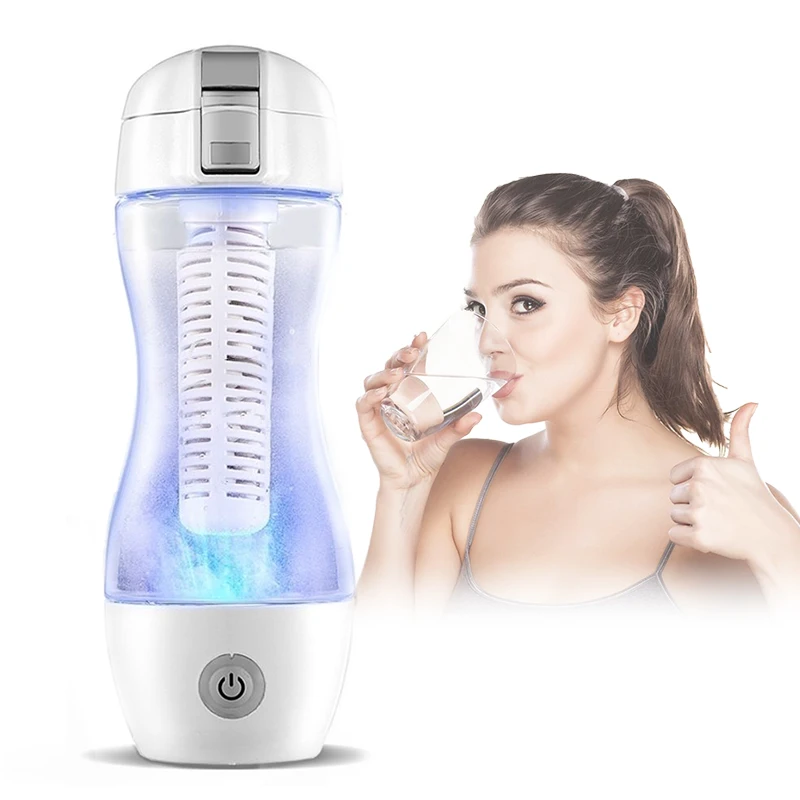
Every hydrogen water bottle on the market claims to deliver molecular hydrogen, but not all devices do so equally or safely. SPE, which stands for Solid Polymer Electrolyte, and PEM, which stands for Proton Exchange Membrane, are two complementary technologies that work together inside a premium hydrogen water bottle to generate pure hydrogen gas without contaminating your water with ozone or chlorine. When you invest in a hydrogen water bottle built on these principles, you are choosing a device that prioritizes clean output, efficiency, and long-term reliability. This guide walks through every key criterion you should evaluate before making your purchase decision.
Understanding SPE and PEM Technology in a Hydrogen Water Bottle
What SPE and PEM Actually Do
The technology inside a hydrogen water bottle determines everything about the quality of hydrogen it produces. SPE technology uses a solid polymer membrane to conduct protons during the electrolysis process, while PEM acts as both an electrolyte and a separator between the electrodes. Together, these systems allow a hydrogen water bottle to generate hydrogen gas at concentrations high enough to be therapeutically meaningful, typically measured in parts per billion or milligrams per liter. A hydrogen water bottle without these technologies often uses older electrolysis methods that introduce unwanted byproducts like ozone directly into the drinking water, which defeats the health purpose entirely.
When evaluating any hydrogen water bottle, look for explicit labeling of SPE and PEM membranes. A quality hydrogen water bottle manufacturer will always disclose the membrane type because it reflects the investment made in the core components. The PEM membrane in a well-designed hydrogen water bottle is usually made from a durable fluoropolymer material with a lifespan suited to daily use over months or years. This transparency in design is a strong indicator of product confidence and genuine performance capability.
Hydrogen Concentration Output and Measurement
A key specification to assess when selecting a hydrogen water bottle is the dissolved hydrogen concentration it can achieve. The best SPE and PEM-based hydrogen water bottle models typically deliver concentrations of 1000 ppb or higher per standard generation cycle. Some advanced models allow extended cycles for even higher saturation. When comparing products, ask whether the hydrogen water bottle has been tested by a third-party lab for actual hydrogen concentration, not just stated output. A credible hydrogen water bottle brand will provide or reference verifiable test data, giving buyers objective evidence of performance rather than unsubstantiated marketing claims.
Key Design and Build Factors to Evaluate
Material Safety and Electrode Quality
Beyond the membrane technology, the physical construction of a hydrogen water bottle matters greatly. The container itself should be made from food-grade materials, such as high-borosilicate glass or BPA-free Tritan plastic, ensuring no chemical leaching occurs during hydrogen generation or storage. The electrodes inside a quality hydrogen water bottle are typically made from platinum-coated titanium, which is both corrosion-resistant and chemically inert. A hydrogen water bottle using inferior electrode materials may degrade over time, potentially introducing metallic contaminants into the water. Always confirm the electrode composition before purchasing any hydrogen water bottle for regular daily use.
The sealing and venting design of a hydrogen water bottle also plays a critical role. Since hydrogen is a light gas that escapes quickly, a well-engineered hydrogen water bottle uses a sealed chamber that retains generated hydrogen until the moment of consumption. This design feature maximizes the dissolved hydrogen concentration in every serving. A hydrogen water bottle with poor sealing will lose a significant percentage of generated hydrogen before you even take your first sip, making the device far less effective regardless of its membrane quality.
Portability, Battery Life, and Ease of Use
A practical hydrogen water bottle must be convenient enough for daily use. Look for a compact and lightweight hydrogen water bottle with a built-in rechargeable battery that supports multiple generation cycles per charge. A good hydrogen water bottle should complete a standard electrolysis cycle in three to five minutes, allowing you to prepare hydrogen-rich water quickly at home, the office, or while traveling. The interface of a premium hydrogen water bottle is typically a single button or a simple one-touch control, making operation effortless. Charging compatibility, such as USB-C or standard micro-USB, adds to the daily convenience of using a hydrogen water bottle in modern environments.
Selecting a Hydrogen Water Bottle for Long-Term Value
Certifications and Quality Standards
When choosing a hydrogen water bottle that will serve you reliably over time, pay close attention to product certifications. A trustworthy hydrogen water bottle will carry relevant safety and quality certifications such as CE, RoHS, or FDA-compliance markers for food-contact materials. These certifications confirm that the hydrogen water bottle has been independently evaluated against recognized standards. A hydrogen water bottle lacking any certifications may not have been tested rigorously, and its long-term safety for regular consumption cannot be guaranteed. Certifications are not just regulatory formalities; they represent a manufacturer's commitment to producing a hydrogen water bottle that is genuinely safe and effective.
After-Sales Support and Warranty Coverage
A reliable hydrogen water bottle supplier should offer clear warranty terms and responsive after-sales support. The membrane inside a hydrogen water bottle has a finite lifespan and may require replacement after extended use. Choose a hydrogen water bottle brand that offers replacement membranes or service support, so your investment remains functional over time. A strong warranty policy on a hydrogen water bottle signals that the manufacturer stands behind its product quality. For B2B buyers or wellness retailers sourcing a hydrogen water bottle in volume, after-sales reliability is equally as important as the initial product performance. Always review the warranty terms before finalizing your hydrogen water bottle purchase decision.
FAQ
What makes SPE and PEM technology better than standard electrolysis in a hydrogen water bottle?
SPE and PEM technology in a hydrogen water bottle separates the hydrogen and oxygen generation chambers, preventing ozone and chlorine from entering the drinking water. Standard electrolysis methods mix these gases, compromising water safety. A hydrogen water bottle using SPE and PEM delivers purer, higher-concentration hydrogen with no harmful byproducts, which is why this technology is the preferred choice for quality hydrogen water bottle products.
How long does the membrane last in a quality hydrogen water bottle?
The PEM membrane inside a well-made hydrogen water bottle typically lasts between one and three years depending on usage frequency and water quality. Hard water with high mineral content can reduce membrane longevity in any hydrogen water bottle. Using filtered or purified water helps extend the life of your hydrogen water bottle membrane significantly. Reputable brands provide membrane replacement options to keep your hydrogen water bottle performing at full capacity.
Can a hydrogen water bottle be used with any type of water?
Most hydrogen water bottle devices work best with purified or filtered water, as impurities can interfere with the electrolysis process. Using tap water in a hydrogen water bottle may reduce hydrogen output and accelerate electrode wear. For optimal results and extended device life, always use clean, low-mineral water in your hydrogen water bottle. Some advanced hydrogen water bottle models include built-in filtration, but checking the product specifications before use is always recommended.