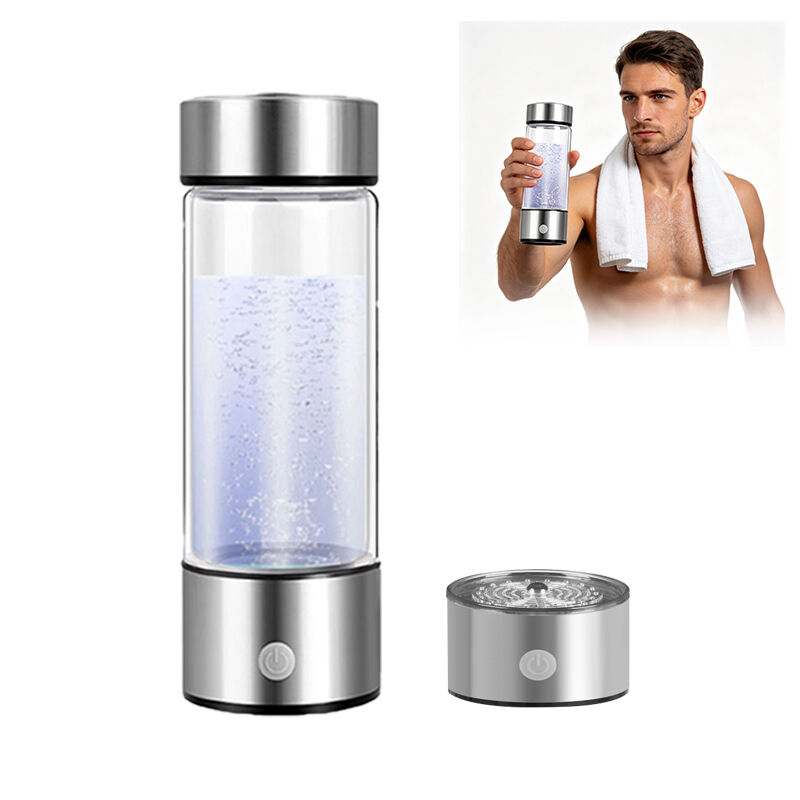
A hydrogen machine is a precise piece of wellness equipment that depends on consistent upkeep to deliver reliable performance. Whether you use a hydrogen machine daily for inhalation therapy or periodic wellness sessions, the internal components are exposed to water, pressure, and continuous electrochemical activity. Without proper maintenance, even a premium hydrogen machine will gradually lose its efficiency, produce inconsistent hydrogen concentrations, and develop operational faults that reduce its working lifespan significantly.
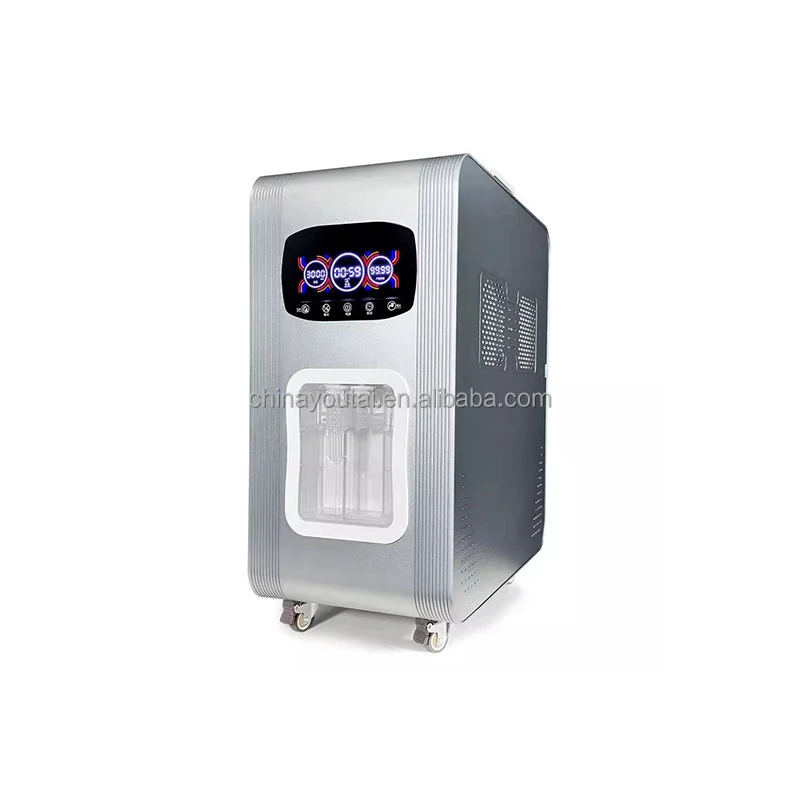
This guide explains how to maintain your hydrogen machine correctly so that it continues operating at top-ranked efficiency over the long term. Each maintenance step described here is grounded in how a hydrogen machine actually functions — from its water chamber and electrolysis membrane to its gas output pathway and external housing. Following a structured hydrogen machine maintenance routine is not optional if you want consistent results; it is the single most important factor in preserving the machine's core performance.
Understanding What Affects Hydrogen Machine Efficiency
The Role of Water Quality in Hydrogen Machine Performance
The most critical factor affecting hydrogen machine efficiency is the quality of water used in the electrolysis chamber. A hydrogen machine splits water molecules into hydrogen and oxygen gas through an electrolytic process. When tap water or mineral-rich water is used, dissolved salts and calcium deposits accumulate on the electrolysis membrane inside the hydrogen machine. This mineral buildup reduces the membrane's conductivity, lowers hydrogen output, and forces the hydrogen machine to work harder to produce the same concentration of gas.
Always use purified or distilled water in your hydrogen machine. Purified water minimizes mineral deposition and keeps the electrolysis membrane of the hydrogen machine clean and fully functional. If your hydrogen machine shows a reduction in gas output volume, the water chamber and membrane should be the first components you inspect. Replacing water regularly — ideally after each session — also prevents bacterial growth inside the hydrogen machine's internal water circuit.
How Usage Patterns Affect the Hydrogen Machine's Lifespan
A hydrogen machine used continuously beyond its recommended operating cycle will generate excess heat in the electrolysis unit. Most hydrogen machine models are designed for intermittent operation, with defined run and rest periods. Ignoring these cycles places thermal stress on the polymer electrolyte membrane and power components inside the hydrogen machine. Over time, this leads to measurable drops in hydrogen purity and output volume.
Always follow the recommended usage schedule for your hydrogen machine. If your hydrogen machine is designed for 30 minutes of operation followed by a rest interval, respect that cycle consistently. This simple discipline protects the hydrogen machine's membrane integrity, reduces heat-related wear, and ensures that each session delivers the same high-efficiency output as the first.
Practical Daily and Weekly Maintenance for Your Hydrogen Machine
Daily Maintenance Steps for a Hydrogen Machine
Daily maintenance of a hydrogen machine focuses primarily on water management and surface cleanliness. After every session, empty the remaining water from the hydrogen machine's chamber. Stagnant water left inside a hydrogen machine promotes microbial activity and accelerates mineral deposits on sensitive internal surfaces. Rinse the water tank with clean purified water and allow it to air-dry before storing the hydrogen machine or using it again.
Wipe the external surfaces of the hydrogen machine with a soft, dry cloth. Do not use chemical cleaners or abrasive materials on any part of the hydrogen machine, as residues can enter the gas output pathway and contaminate the hydrogen flow. Check the gas outlet tubing of the hydrogen machine daily for any signs of moisture buildup, blockage, or discoloration, as these are early indicators of internal contamination that require immediate attention.
Weekly Deep Maintenance Routine for a Hydrogen Machine
On a weekly basis, conduct a more thorough inspection of the hydrogen machine. Remove the water chamber from the hydrogen machine and inspect it carefully for any white or yellowish mineral scale. If scaling is visible, soak the chamber component in a diluted food-grade citric acid solution for 20 to 30 minutes, then rinse thoroughly with purified water before reinstalling it in the hydrogen machine. Never use harsh chemicals that could damage the electrolysis membrane of the hydrogen machine.
Also inspect the tubing and connectors of the hydrogen machine weekly. Flexible tubing can develop micro-cracks or loose fittings over time, which cause hydrogen gas to leak before reaching the delivery point. A hydrogen machine with leaking tubing will display lower effective output even if the electrolysis unit is functioning correctly. Replace any compromised tubing immediately to restore your hydrogen machine to full operational efficiency.
Long-Term Maintenance and Storage of a Hydrogen Machine
Periodic Component Checks and Membrane Care
Every few months, evaluate the overall performance of your hydrogen machine by comparing its current hydrogen output with the specifications stated at purchase. If the hydrogen machine produces noticeably less gas volume or concentration despite clean water and correct usage, the electrolysis membrane may require professional servicing or replacement. The membrane is the core of every hydrogen machine, and its condition directly determines the machine's hydrogen generation efficiency.
Keep a simple maintenance log for your hydrogen machine. Record the date of each water change, membrane inspection, and tubing check. A maintenance log helps you identify patterns in your hydrogen machine's performance and anticipate component wear before it leads to a breakdown. Proactive care of your hydrogen machine is always less costly and less disruptive than reactive repairs.
Correct Storage Practices for a Hydrogen Machine
When storing a hydrogen machine for an extended period, always ensure the water chamber is completely empty and dry. Store the hydrogen machine in a cool, dry location away from direct sunlight and humidity. Exposure to heat or moisture during storage can degrade the internal seals and membrane of the hydrogen machine. Keep the hydrogen machine's power cord loosely coiled and avoid bending it sharply, as damaged cords create safety risks when the hydrogen machine is next operated.
FAQ
How often should I clean the water chamber of my hydrogen machine?
You should empty and rinse the water chamber of your hydrogen machine after every single use. For a deeper mineral-removal cleaning, perform a citric acid soak on the hydrogen machine's chamber once per week, especially if you use it daily. Regular water chamber maintenance is essential to keeping your hydrogen machine at peak efficiency.
What type of water is best for a hydrogen machine?
Purified or distilled water is strongly recommended for any hydrogen machine. Hard water or tap water introduces minerals that accumulate on the electrolysis membrane of the hydrogen machine, reducing its hydrogen output over time. Using clean purified water is the simplest and most effective way to extend the working life of your hydrogen machine.
How do I know if my hydrogen machine needs maintenance?
Common signs that your hydrogen machine needs maintenance include reduced gas output, unusual noise during operation, visible scale or discoloration in the water chamber, or a burning smell near the hydrogen machine's base. If your hydrogen machine shows any of these signs, stop use and perform a full inspection of the water system, tubing, and electrolysis components before resuming operation.