When you invest in a hydrogen machine, the quality of materials used in its construction directly determines how safely and consistently it performs over time. A hydrogen machine that generates medical-grade hydrogen gas must meet strict standards, because the gas it produces comes into direct contact with the human body. Using anything less than premium materials in a hydrogen machine introduces risks that cannot be ignored, from chemical contamination to structural failure under daily operating pressure.
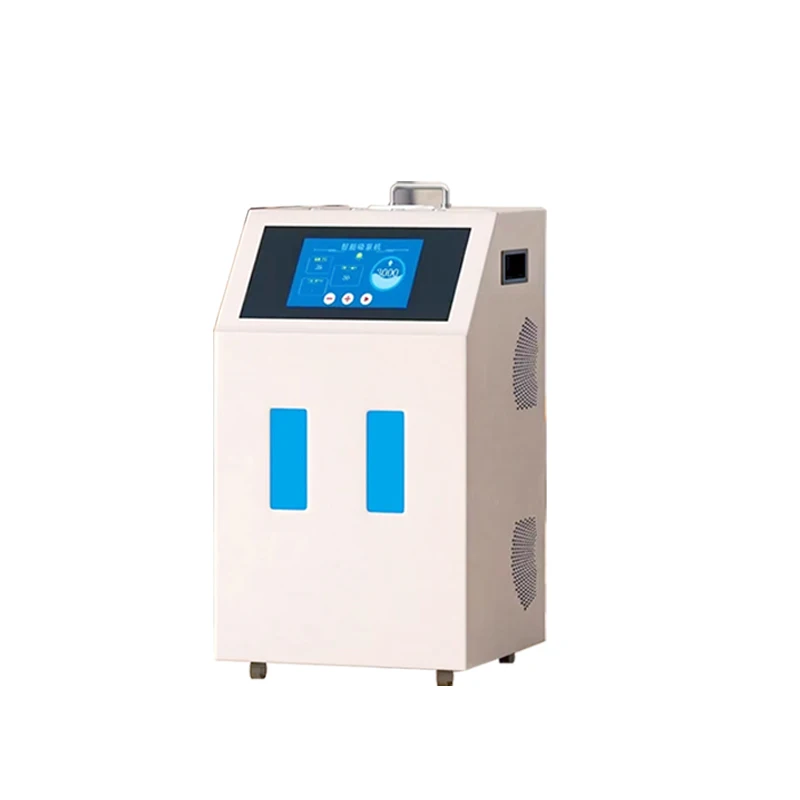
Our hydrogen machine is engineered with premium-grade components precisely because performance and user safety are non-negotiable. Every part of the hydrogen machine, from the electrolytic cell to the outer casing and internal water chamber, has been selected to withstand continuous operation, resist corrosion, and maintain gas purity at the highest level. This commitment to material quality is not a marketing choice. It is a technical and ethical responsibility that defines every hydrogen machine we produce.
The Role of Material Quality in Hydrogen Machine Performance
How Material Grade Affects Gas Purity
A hydrogen machine works by electrolyzing water to separate hydrogen gas from oxygen. During this process, the electrolytic cell and internal components are constantly exposed to water, heat, and electrical current. If the materials used in the hydrogen machine are low-grade metals or reactive plastics, they can leach impurities into the water or the gas stream. This contamination directly degrades the quality of hydrogen that reaches the user. A premium hydrogen machine avoids this problem by using food-grade or medical-grade materials that remain chemically inert under operating conditions.
Our hydrogen machine uses a high-purity polymer membrane and a stainless steel housing that resists oxidation and corrosion. The stainless steel components in the hydrogen machine do not react with hydrogen or oxygen, ensuring that the gas output stays clean and consistent. This level of material discipline is what separates a hydrogen machine designed for genuine health applications from a basic consumer device built purely for low cost.
Durability Under Continuous Operation
A hydrogen machine used in a household or clinical setting may operate for several hours per day over many years. Components made from inferior materials degrade faster under this kind of thermal and electrochemical stress. The internal seals, tubing, and cell stack of the hydrogen machine must all maintain their integrity throughout thousands of hours of use. When our hydrogen machine is built with premium materials, the internal components resist wear, maintain tight seals, and prevent gas leaks far more effectively than lower-grade alternatives.
Why Stainless Steel and Premium Components Matter
Structural Integrity of the Hydrogen Machine
The stainless steel stand and frame of our hydrogen machine provide more than aesthetic appeal. Stainless steel offers superior resistance to rust, impact, and environmental humidity. In settings where the hydrogen machine is used daily, a robust structural frame prevents deformation and keeps sensitive internal components properly aligned. A hydrogen machine that loses structural integrity over time can develop micro-leaks in the gas line, reducing output efficiency and creating safety concerns. Premium structural materials ensure the hydrogen machine stays mechanically sound throughout its service life.
Beyond the frame, the internal water chamber of our hydrogen machine is constructed from materials that prevent mineral buildup and bacterial growth. This matters because the hydrogen machine uses water as its primary input. If the chamber material is porous or reactive, it can harbor contaminants that affect both the longevity of the hydrogen machine and the cleanliness of the hydrogen it produces. Premium non-reactive materials keep the water pathway clean and extend the operational intervals between maintenance cycles.
Electrical Components and Thermal Management
A hydrogen machine generates heat during electrolysis. The quality of the electrical components and thermal management system determines how safely and efficiently the hydrogen machine handles this heat. Our hydrogen machine is fitted with premium-grade electrical insulation, certified connectors, and a thermal management design that prevents overheating. Inferior electrical materials in a hydrogen machine increase the risk of short circuits, voltage irregularities, and premature component failure. Premium electrical components keep the hydrogen machine operating within safe temperature ranges and protect the electrolytic cell from thermal stress.
Long-Term Value and User Safety in Every Hydrogen Machine
Why Premium Materials Reduce Long-Term Costs
Some users assume that a hydrogen machine built with premium materials will have a higher upfront cost but similar long-term value to a lower-cost alternative. This assumption underestimates how quickly a hydrogen machine built from standard materials begins to degrade. Replacement parts, reduced gas output, and inconsistent performance all accumulate into a higher real cost over time. A premium hydrogen machine maintains its performance specifications for significantly longer, meaning users get consistent hydrogen concentration and reliable operation from their hydrogen machine without frequent interventions.
Our hydrogen machine is designed for both household and vehicle use, which means it must perform reliably across varying environmental conditions. A hydrogen machine exposed to temperature changes, vibration from car use, or varying water quality needs materials that can handle these challenges without failure. Premium materials in the hydrogen machine allow it to maintain stable output regardless of where or how it is used, giving users greater flexibility and confidence in their daily hydrogen therapy routine.
User Safety as a Design Priority
The hydrogen machine produces a gas that users inhale directly. This makes material safety an absolute priority. Any component of the hydrogen machine that degrades, oxidizes, or off-gasses under heat can introduce harmful byproducts into the output stream. Our hydrogen machine is built so that every material touching the gas or water pathway is tested for biocompatibility and chemical stability. This rigorous material selection process ensures that the hydrogen machine delivers pure hydrogen to the user, not a mixture of hydrogen and material byproducts. Safety in a hydrogen machine is not an add-on feature. It is built into every material choice from the start.
FAQ
Why is stainless steel used in the hydrogen machine design?
Stainless steel is used in our hydrogen machine because it resists corrosion, maintains structural integrity under continuous use, and does not react with hydrogen or oxygen. This keeps the hydrogen machine clean, stable, and safe for long-term daily operation.
How do premium materials affect the hydrogen machine output quality?
Premium materials in the hydrogen machine prevent chemical contamination of the gas stream. When the internal components are made from inert, high-grade materials, the hydrogen machine consistently produces clean, high-purity hydrogen without introducing impurities from degraded or reactive parts.
Does material quality affect how long a hydrogen machine lasts?
Yes. A hydrogen machine built with premium materials resists wear, thermal stress, and corrosion far more effectively than one built with standard components. This directly extends the operational lifespan of the hydrogen machine and reduces the need for frequent maintenance or part replacement.