Intelligent Automation and Monitoring Systems
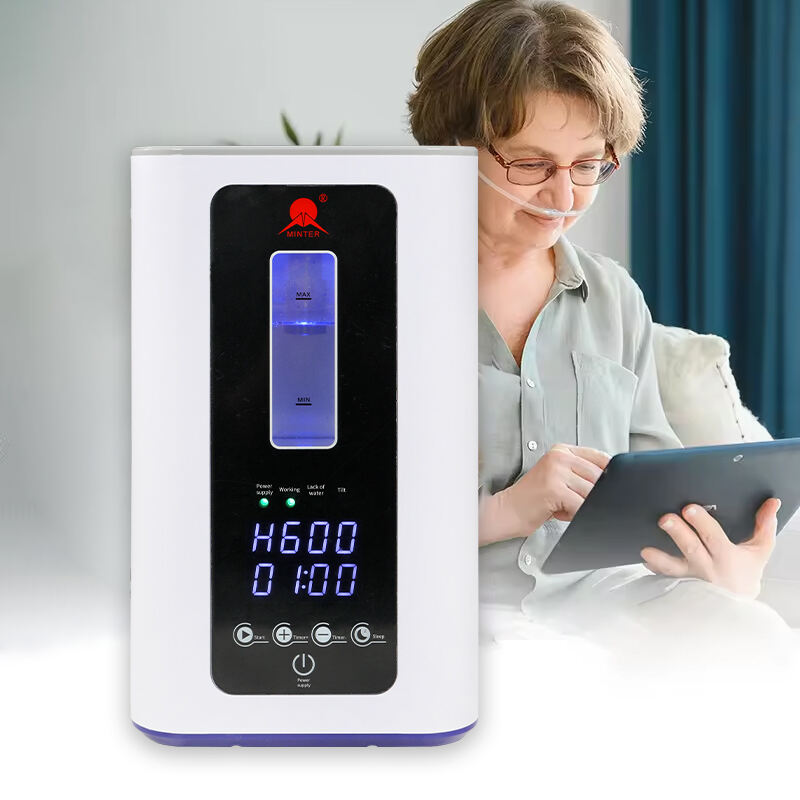
The h2 machine integrates comprehensive automation and monitoring capabilities that transform hydrogen production from a manual process into a self-managing system requiring minimal operator intervention. At the heart of this intelligence lies a programmable logic controller that continuously analyzes hundreds of operational parameters, making real-time adjustments to optimize performance and prevent issues before they impact production. The system monitors water quality, electrical input characteristics, membrane conditions, gas purity levels, pressure differentials, and temperature profiles across multiple measurement points, creating a complete operational picture. This data feeds into predictive algorithms that identify developing trends indicating potential maintenance needs, allowing scheduled interventions during planned downtime rather than emergency repairs during critical production periods. Operators interact with the h2 machine through an intuitive graphical interface that presents complex information in easily understood visual formats, eliminating the need for specialized training or technical expertise. Touchscreen controls allow parameter adjustments with simple gestures, while contextual help screens provide guidance for less frequent operations. The automation system includes multiple operational modes tailored to different usage scenarios, from continuous maximum output for baseload applications to intermittent production synchronized with renewable energy availability. Safety interlocks prevent unsafe operating conditions by automatically shutting down systems or adjusting parameters when sensors detect values outside acceptable ranges. The h2 machine communicates with facility management systems through standard industrial protocols, enabling integration with existing monitoring infrastructure and enterprise resource planning software. Remote access capabilities allow authorized personnel to monitor performance, adjust settings, and diagnose issues from any location with internet connectivity, reducing the need for on-site presence and enabling faster response to operational questions. Historical data logging captures every aspect of system performance over time, creating valuable records for compliance documentation, efficiency analysis, and optimization studies. The monitoring system generates automated reports summarizing production volumes, energy consumption, purity levels, and operational efficiency metrics on schedules you define, simplifying management oversight and regulatory reporting requirements.