Comprehensive Safety Features and Quality Assurance Standards
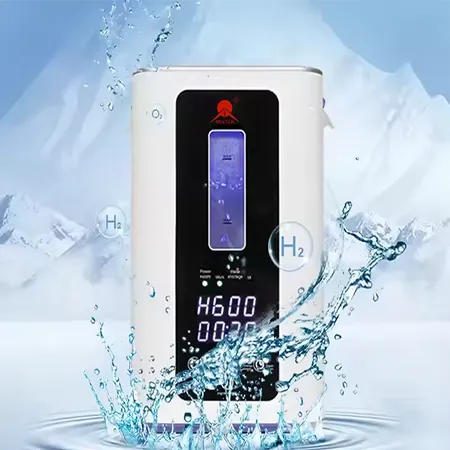
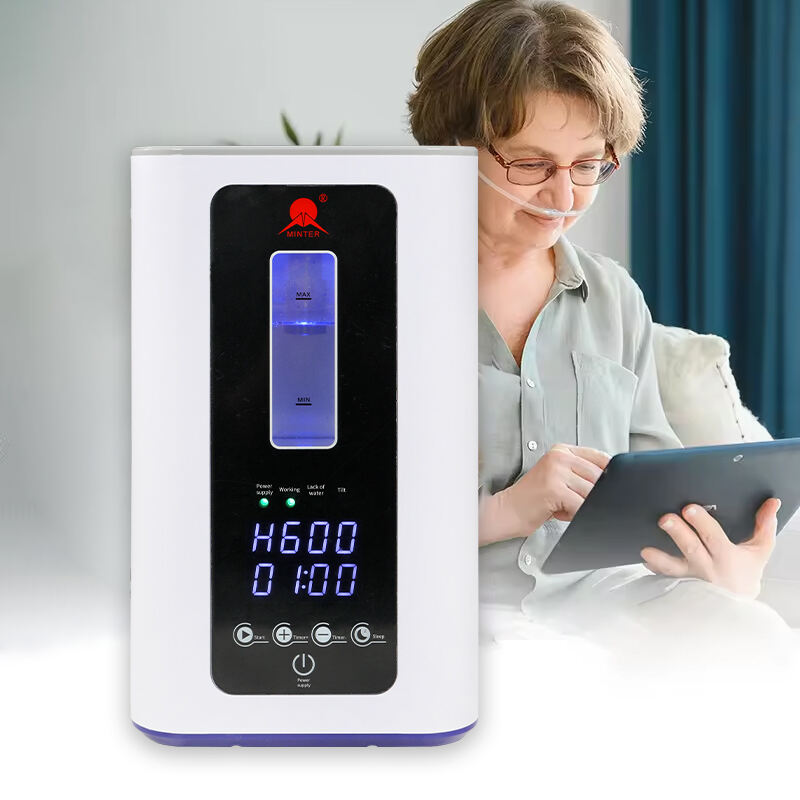
Safety represents the paramount concern when selecting a hydrogen inhalation machine vendor, as these devices involve electrical systems, water handling, and gas production that require meticulous engineering and quality control. Reputable vendors implement multiple layers of safety features that protect users from potential hazards while ensuring reliable operation under various conditions. Automatic shut-off mechanisms constitute the first line of defense, immediately halting machine operation when sensors detect abnormal conditions such as low water levels, excessive pressure, or electrical irregularities. These intelligent systems prevent damage to equipment components while eliminating risks associated with unattended operation. Pressure relief valves installed by conscientious hydrogen inhalation machine vendors provide mechanical backup protection, releasing excess pressure before it reaches levels that could compromise system integrity. The redundancy of electronic and mechanical safety systems demonstrates vendor commitment to user protection and equipment longevity. Water level sensors continuously monitor reservoir status, alerting operators when refilling becomes necessary and preventing dry operation that could damage electrolysis cells. Quality vendors design their machines with transparent water chambers or digital indicators that provide visual confirmation of adequate water supply. Electrical safety features include ground fault protection, surge suppression, and insulated wiring that meet or exceed international safety standards. Hydrogen inhalation machine vendors who prioritize safety submit their equipment for third-party testing and certification, obtaining approvals from recognized safety organizations that validate design integrity and manufacturing quality. These certifications provide customers with objective verification that equipment meets rigorous safety criteria established by industry experts. The materials selected for machine construction play crucial roles in safety, with quality vendors choosing non-reactive plastics, medical-grade tubing, and corrosion-resistant metals that maintain integrity during prolonged exposure to water and hydrogen. Ventilation design prevents hydrogen accumulation within machine housings, as proper airflow dissipates any gas that might escape from the delivery system. Leading vendors incorporate flame arrestors in their hydrogen pathways, preventing ignition sources from reaching hydrogen supplies even in unlikely scenarios. The user interface design contributes to safety by presenting clear operational status information and intuitive controls that minimize operator error. Hydrogen inhalation machine vendors who invest in ergonomic design and comprehensive user manuals reduce the likelihood of misuse that could compromise safety or effectiveness. Regular maintenance protocols established by responsible vendors include inspection schedules, component replacement intervals, and performance verification procedures that maintain safety standards throughout equipment lifespan. The quality assurance processes implemented by top-tier vendors begin during manufacturing, with inspection checkpoints at critical assembly stages ensuring each machine meets specifications before packaging. This attention to detail results in equipment that operates safely and reliably, providing peace of mind for operators and users alike while supporting successful hydrogen therapy programs.