hydrogen inhalation therapy machine
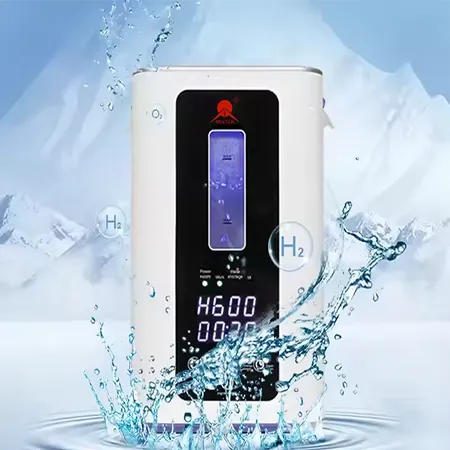
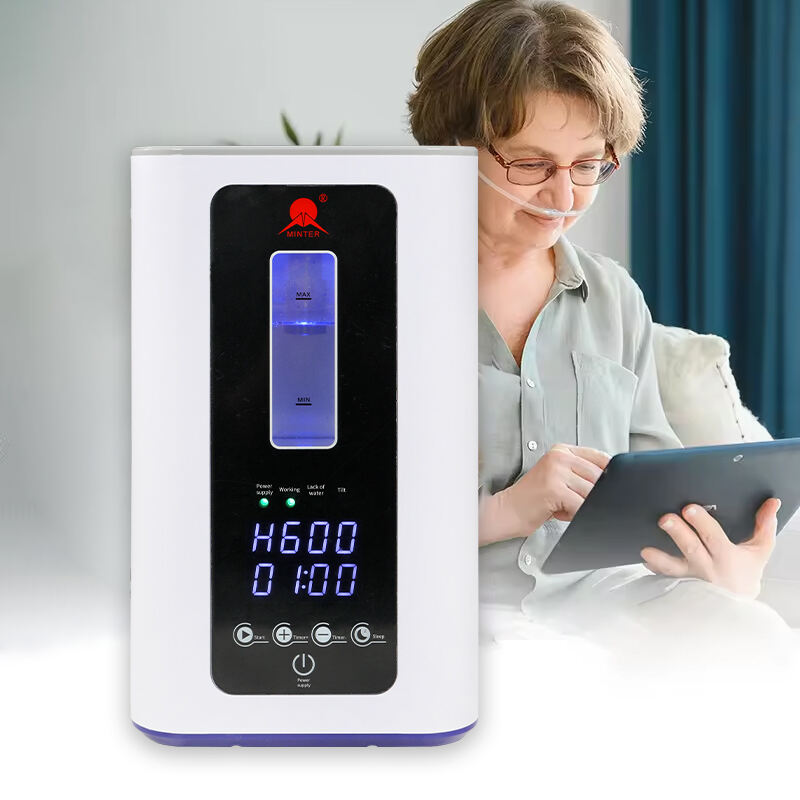
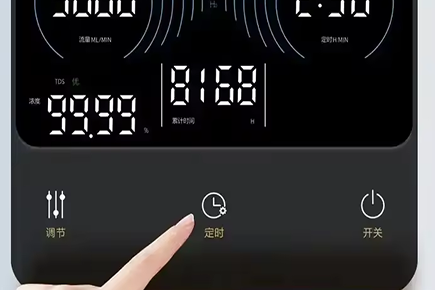
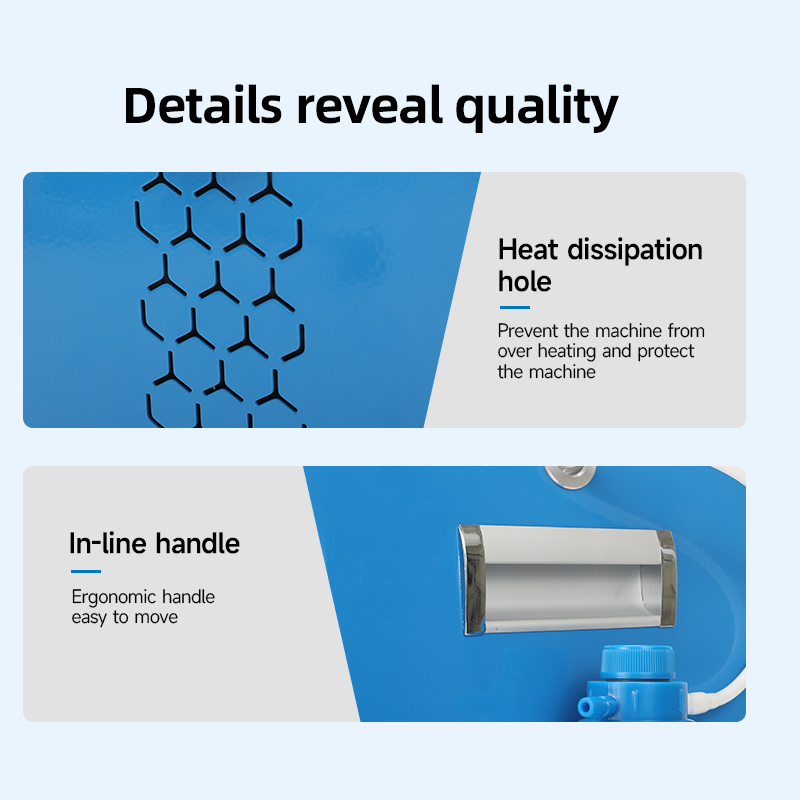
The hydrogen inhalation therapy machine represents a breakthrough in wellness technology, designed to deliver molecular hydrogen directly to the body through controlled inhalation. This innovative device generates high-purity hydrogen gas by splitting water molecules through advanced electrolysis technology, producing a safe and effective therapeutic gas that users can breathe. The machine operates by drawing purified water into an electrolysis chamber where electrical current separates hydrogen and oxygen molecules, with the hydrogen then channeled through medical-grade tubing to a nasal cannula or face mask for comfortable inhalation. Modern hydrogen inhalation therapy machines feature precise flow rate controls, typically ranging from 150 to 600 milliliters per minute, allowing users to customize their therapy sessions based on individual needs and comfort levels. The core technology relies on proton exchange membrane electrolysis or alkaline electrolysis systems, both proven methods that ensure consistent hydrogen production with purity levels exceeding 99.5 percent. These machines incorporate multiple safety features including automatic shut-off mechanisms, pressure relief valves, and real-time monitoring systems that track hydrogen concentration and flow rates. The applications of hydrogen inhalation therapy machines span various wellness and recovery contexts, from athletic performance enhancement to general health maintenance. Users typically engage in sessions lasting 30 to 90 minutes, during which molecular hydrogen enters the bloodstream through the lungs and distributes throughout the body, where it acts as a selective antioxidant. The compact design of contemporary hydrogen inhalation therapy machines makes them suitable for home use, clinical settings, wellness centers, and sports facilities. Most units feature intuitive touchscreen interfaces that display session duration, hydrogen output levels, and maintenance reminders, ensuring users can operate the device with minimal training while maintaining optimal performance standards throughout extended use periods.