Medical-Grade Materials and Safety Certifications for Peace of Mind
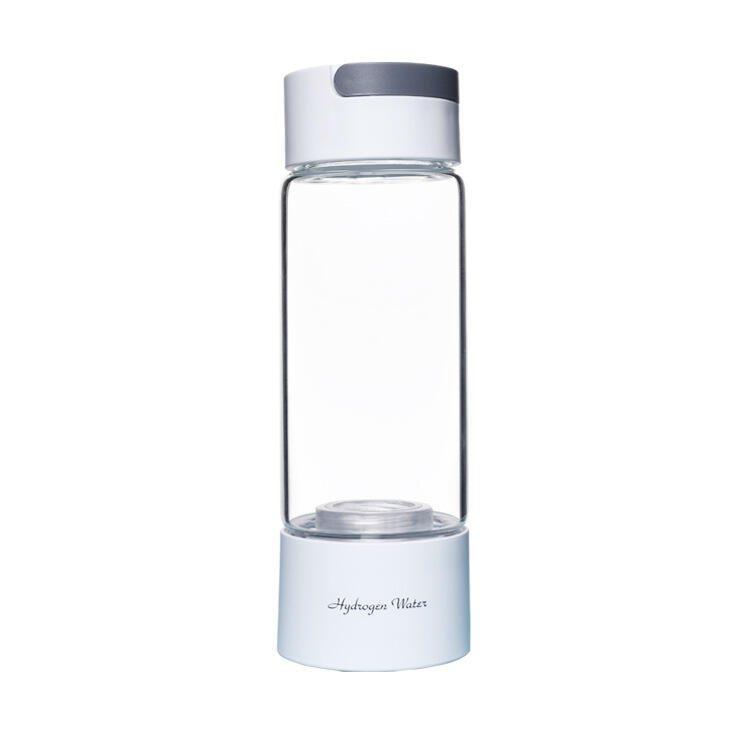
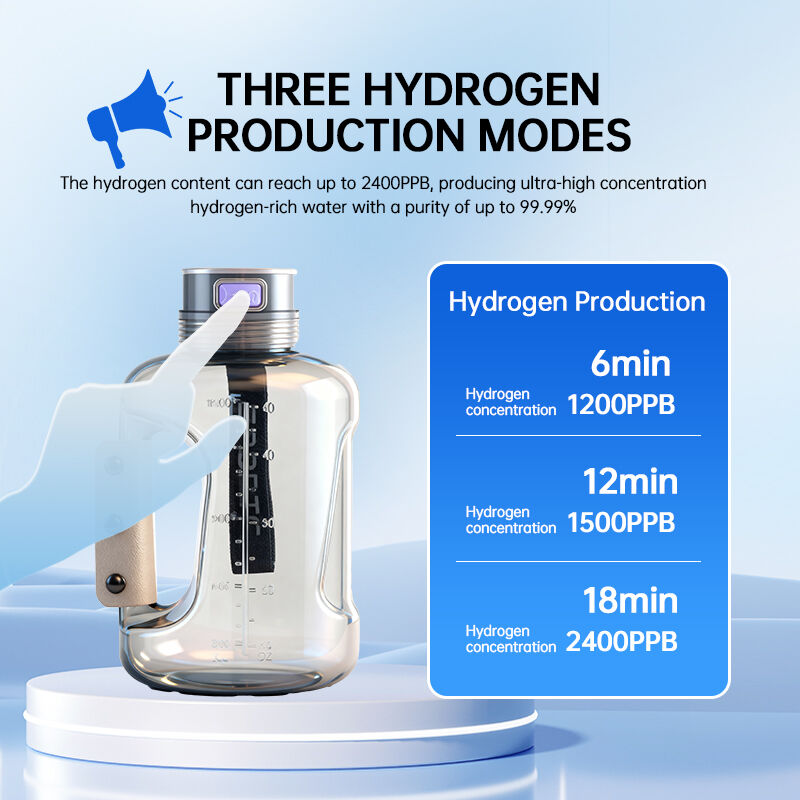
A distinguishing characteristic of professional hydrogen water bottle factories involves their unwavering commitment to material safety and regulatory compliance, recognizing that any device in direct contact with drinking water must meet the highest purity standards. These facilities source borosilicate glass for drinking chambers, the same material used in laboratory equipment and premium cookware, chosen for its thermal shock resistance, chemical inertness, and complete absence of leaching even under repeated heating and cooling cycles. The food-grade Tritan plastic components used in caps, seals, and exterior housings undergo rigorous testing for BPA, phthalates, and other endocrine disruptors, with certificates of analysis available for every production batch. Stainless steel elements, when incorporated, consist of 316 surgical-grade alloy that resists corrosion from both acidic and alkaline solutions while maintaining structural integrity under pressure. The hydrogen water bottle factory environment includes dedicated clean rooms for final assembly, preventing contamination from airborne particles or manufacturing residues that could compromise product purity. Beyond material selection, these factories pursue international certifications including FDA registration for food contact materials, CE marking for European markets, and ISO 9001 quality management system compliance, demonstrating adherence to standardized production processes and continuous improvement protocols. Electrical safety certifications like UL or ETL listing verify that battery systems, charging circuits, and electrolysis components meet strict standards for preventing electrical hazards, short circuits, or thermal runaway conditions. The practical implication for consumers means purchasing from a certified hydrogen water bottle factory eliminates concerns about toxic exposure, electrical fires, or structural failures that could result in injury or property damage. Factory documentation provides complete transparency regarding material origins, manufacturing dates, and quality inspection results, enabling informed decisions based on verifiable data rather than marketing claims. The investment in safety certifications and premium materials reflects a factory's long-term perspective, prioritizing customer wellbeing and brand reputation over short-term cost savings that compromise product integrity.