Ergonomic Design and User-Centric Interface for Effortless Operation
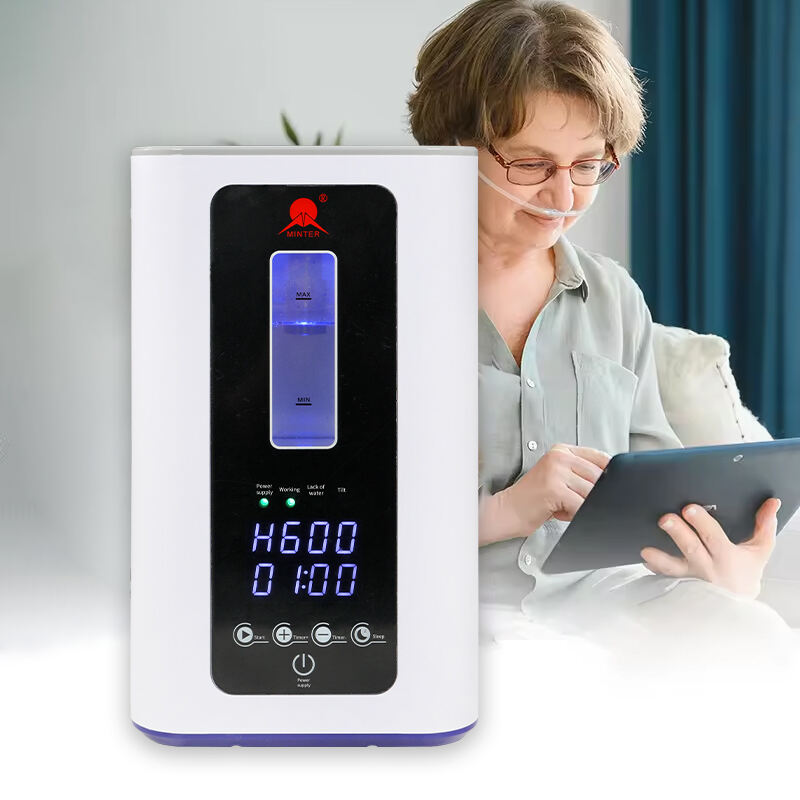
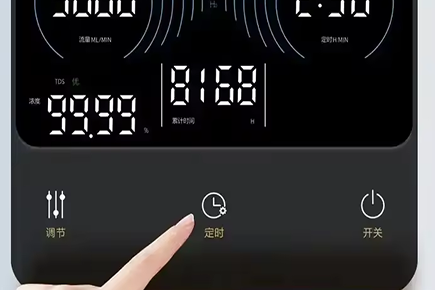
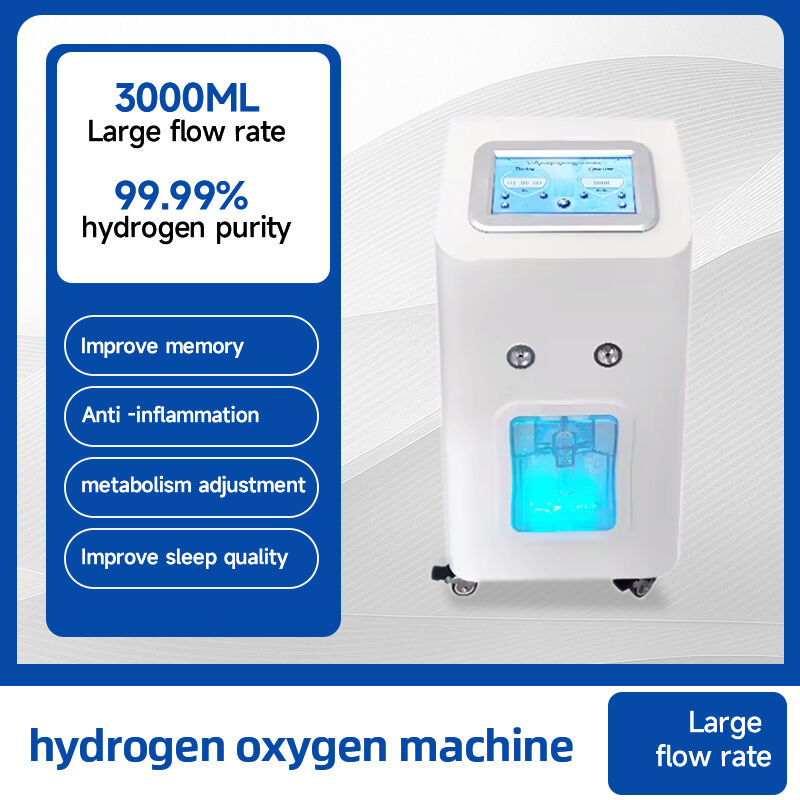
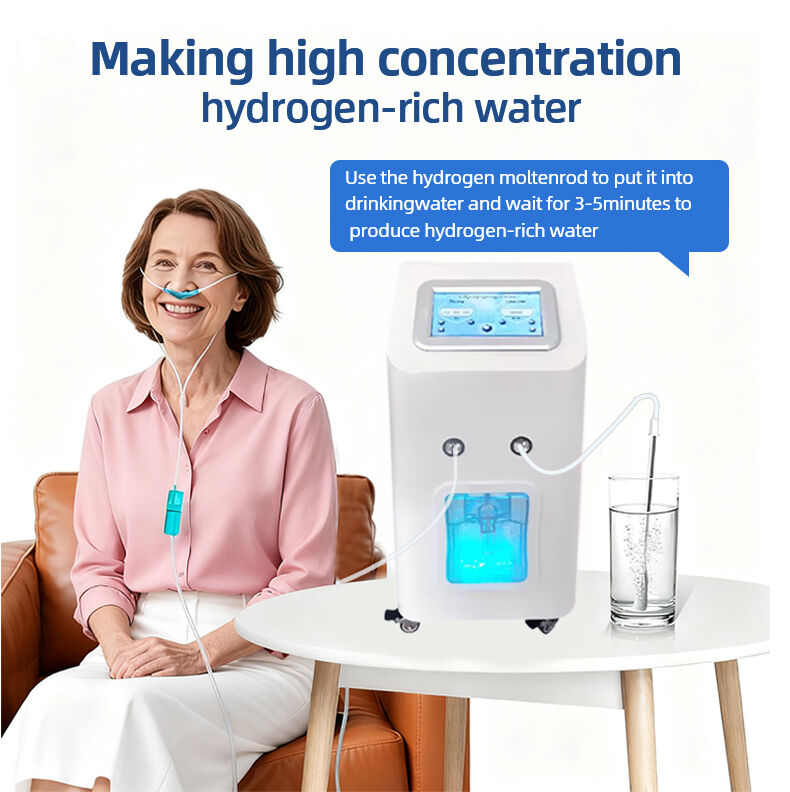
The portable hydrogen inhaler succeeds not only through technical capabilities but also through thoughtful design that prioritizes user comfort, intuitive operation, and aesthetic appeal. The physical form factor reflects extensive research into ergonomics, resulting in devices that feel natural to hold, easy to transport, and pleasant to use during therapy sessions. Contoured surfaces fit comfortably in hands of various sizes, while non-slip materials ensure secure grip even during movement or in humid conditions. The weight distribution balances the battery, electrolysis chamber, and control electronics to prevent fatigue during handheld use, with many users reporting they barely notice the device's presence after initial adjustment. Carrying cases and accessories complement the main unit, providing organized storage for nasal cannulas, power adapters, and cleaning supplies while protecting the device during transport. The control interface exemplifies user-centric design philosophy, featuring clearly labeled buttons or touch-sensitive panels that respond reliably to input without requiring excessive force or precision. Menu systems guide users through setup and operation with logical flow and minimal steps, reducing learning curves and making the technology accessible to individuals regardless of technical expertise. Visual feedback through LED indicators or LCD screens communicates device status instantly, using color coding and icons that convey information at a glance without requiring users to interpret complex data. Audio cues provide additional confirmation of successful operations, alerts for maintenance needs, and warnings for error conditions, creating multi-sensory feedback that enhances usability. The nasal cannula or mask connections feature secure yet easy-to-attach mechanisms that prevent accidental disconnection while allowing quick changes between accessories. Tubing length provides freedom of movement during sessions, letting users recline, work at desks, or engage in light activities without feeling tethered or restricted. Cleaning and maintenance procedures are simplified through accessible water reservoirs, removable components that tolerate standard cleaning methods, and clear instructions that guide users through proper care routines. The aesthetic design balances modern sophistication with approachable styling, using neutral colors and clean lines that fit various environments from professional offices to home living spaces. Material selections prioritize durability and hygiene, with surfaces that resist staining, scratching, and bacterial growth while maintaining attractive appearance over extended use. The overall design philosophy recognizes that even the most advanced technology fails if users find it cumbersome, confusing, or unpleasant to operate, resulting in portable hydrogen inhalers that people actually want to use consistently rather than devices that gather dust after initial enthusiasm fades.