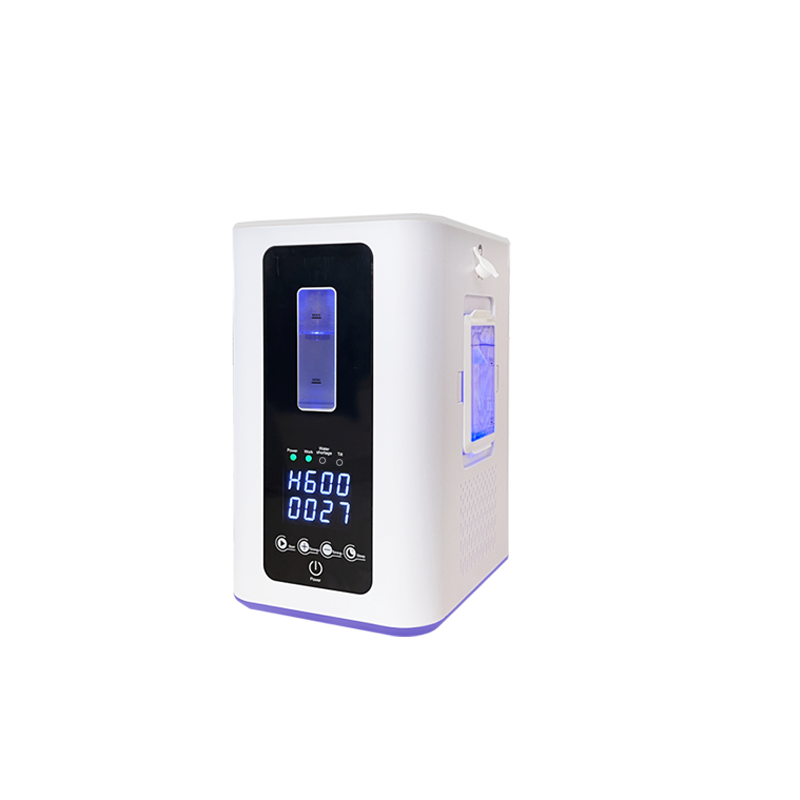
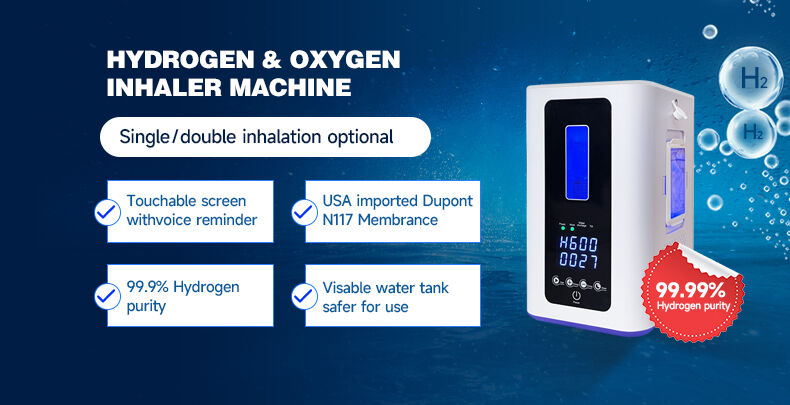
Comprehensive Safety Systems for Worry-Free Operation
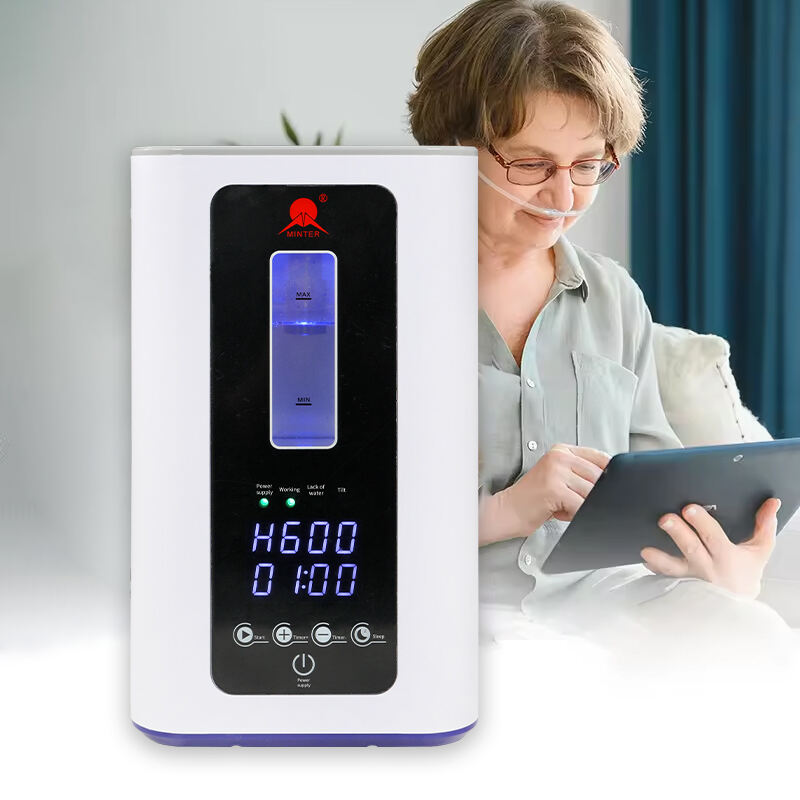
Safety engineering represents a paramount consideration in hydrogen therapy machine design, as these devices handle hydrogen gas, which requires proper management despite its excellent safety profile when produced and used correctly. Modern hydrogen therapy machines incorporate multiple redundant safety systems that work in concert to prevent operational issues and protect users throughout therapy sessions. These protective features operate automatically in the background, requiring no user expertise while maintaining rigorous safety standards that meet or exceed industry regulations. The pressure regulation system forms the first line of safety defense, monitoring hydrogen gas pressure within the generation chamber and delivery pathways. Pressure sensors continuously measure internal conditions, triggering automatic shut-off mechanisms if readings exceed predetermined safe thresholds. This prevents pressure buildup that could stress system components or create uncomfortable delivery conditions. Relief valves provide additional protection, venting excess pressure safely if primary regulation systems encounter anomalies. Water level monitoring prevents dry operation, which could damage electrolysis electrodes and compromise device longevity. Sensors detect when water reservoirs approach minimum levels, alerting users through visual or audible indicators before automatic shutdown protocols engage. This protection ensures the hydrogen therapy machine never operates without adequate water supply, preserving internal components while preventing potential safety concerns associated with dry electrolysis attempts. Electrical safety features include ground fault protection, surge suppression, and insulated wiring that meets stringent electrical safety standards. These elements protect both the device and users from electrical hazards, particularly important given the combination of water and electricity within the system. Quality hydrogen therapy machines undergo rigorous electrical safety testing and certification through recognized standards organizations, providing documented assurance of electrical safety compliance. Hydrogen purity monitoring in advanced models employs sensors that verify output quality, ensuring the gas delivered to users meets therapeutic standards. These sensors detect potential contamination from system degradation or water quality issues, alerting users to maintenance needs before therapy effectiveness diminishes. Some premium hydrogen therapy machines feature automatic quality adjustment, modifying operational parameters to maintain consistent hydrogen purity despite varying input water conditions. The automatic shut-off timer prevents excessively long therapy sessions that might exceed recommended exposure guidelines. Users set desired session durations, and the hydrogen therapy machine automatically ceases hydrogen production when the programmed time elapses. This feature proves particularly valuable for users who might fall asleep during relaxation-focused therapy sessions, ensuring the device does not operate indefinitely. Material selection throughout the hydrogen therapy machine construction emphasizes non-reactive, medical-grade components that maintain integrity during prolonged hydrogen exposure. Tubing, seals, and internal pathways use materials specifically chosen for hydrogen compatibility, preventing degradation that could introduce contaminants or compromise system integrity over time.