smart hydrogen water bottle
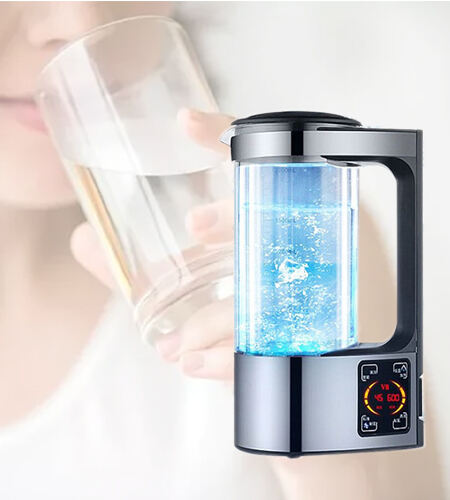
A smart hydrogen water bottle represents an innovative leap in personal hydration technology, combining advanced electrolysis systems with portable design to deliver hydrogen-enriched water on demand. This cutting-edge device uses sophisticated electrolytic processes to infuse regular drinking water with molecular hydrogen, creating a beverage that offers potential wellness benefits beyond standard hydration. The core technology involves a built-in electrolysis chamber that separates water molecules, generating hydrogen gas that dissolves into the water at optimal concentrations. Most smart hydrogen water bottles feature rechargeable batteries, allowing users to produce hydrogen-rich water anywhere without requiring electrical outlets. The intelligent design typically includes touch controls or button interfaces that activate the hydrogen generation cycle, which usually completes within three to ten minutes depending on the model and desired concentration levels. These bottles often incorporate food-grade materials such as borosilicate glass or BPA-free Tritan plastic for the water chamber, ensuring safety and durability. The electrolysis plates are commonly made from titanium with platinum coating, materials chosen for their efficiency and resistance to corrosion. Many models include LED indicators that display the operational status, battery level, and completion of the hydrogen infusion process. The portability factor makes these bottles ideal for office workers, fitness enthusiasts, travelers, and health-conscious individuals who want consistent access to hydrogen water throughout their day. Applications extend across various lifestyle scenarios, from post-workout recovery sessions to daily wellness routines. The technology addresses the challenge of maintaining hydrogen concentration, as molecular hydrogen naturally dissipates from water over time. By generating hydrogen fresh at the point of consumption, these smart bottles ensure maximum potency and effectiveness, delivering concentrations typically ranging from 800 to 1500 parts per billion depending on the specific model and settings used.