Choosing a hydrogen therapy machine is a decision that directly affects user safety, treatment consistency, and long-term value. With growing demand in both clinical and household wellness settings, the market now offers a wide range of hydrogen therapy machine options — from entry-level consumer units to professionally certified medical-grade devices. Understanding what separates a reliable hydrogen therapy machine from an uncertified one is essential before making any purchase decision.
A certified hydrogen therapy machine is built to deliver consistent hydrogen gas concentration, maintain structural safety under continuous operation, and comply with recognized medical device standards. When you invest in a hydrogen therapy machine that carries verifiable certifications, you gain confidence that the device has been tested and validated for the purpose it claims to serve. This guide explains the key criteria for evaluating a hydrogen therapy machine with genuine medical-grade quality so you can make an informed, safe, and effective choice.
Understanding Medical-Grade Certification for a Hydrogen Therapy Machine
What Certification Actually Means
Not every hydrogen therapy machine labeled 'medical-grade' has been formally certified by a recognized regulatory body. True medical-grade status means the hydrogen therapy machine has undergone independent testing, documentation review, and ongoing compliance monitoring. Certifications such as CE marking, ISO 13485, or country-specific medical device approvals are meaningful indicators that a hydrogen therapy machine has met defined safety and performance thresholds. Always ask suppliers to provide original certification documents rather than relying on marketing language alone.
When reviewing a hydrogen therapy machine certificate, check the issuing body, the certificate scope, and the expiry date. A hydrogen therapy machine carrying an outdated or narrowly scoped certificate may not actually comply with current standards for the application you intend. Verifying certification authenticity is a non-negotiable step when selecting any hydrogen therapy machine for clinical use or regular home use.
Regulatory Frameworks That Apply
Different markets apply different regulatory frameworks to a hydrogen therapy machine. In the European Union, a hydrogen therapy machine intended for medical use must satisfy the Medical Device Regulation requirements and carry CE marking. In other regions, equivalent national approvals govern whether a hydrogen therapy machine may be marketed or used in healthcare environments. Understanding which framework applies to your region helps you assess whether a specific hydrogen therapy machine is legally compliant for your intended use case.
Key Technical Specifications to Evaluate
Hydrogen Concentration and Gas Purity
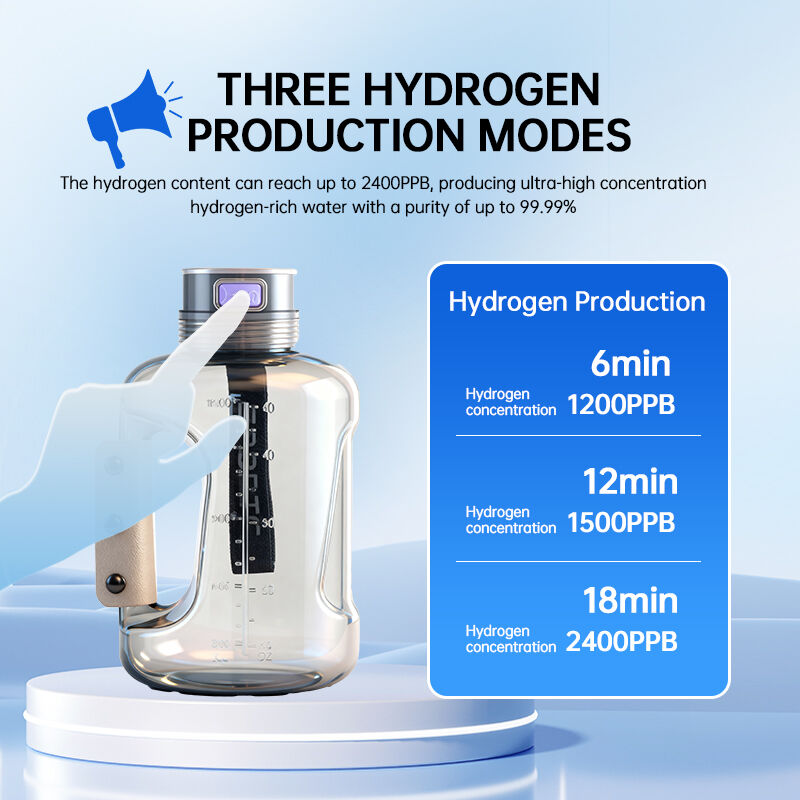
The core function of any hydrogen therapy machine is to generate hydrogen gas at a consistent, effective concentration. A medical-grade hydrogen therapy machine should clearly state its output concentration in parts per million or percentage volume, and those values should match results from independent testing. Low or inconsistent concentration means the hydrogen therapy machine cannot deliver reliable therapeutic benefit. When comparing models, request technical data sheets that document actual tested output rather than estimated figures.
Gas purity is equally critical. A certified hydrogen therapy machine should produce hydrogen with minimal contamination from other gases or electrolysis byproducts. Poor purity in a hydrogen therapy machine can introduce unnecessary risk, particularly during extended inhalation sessions. Look for devices that specify both concentration and purity levels, with supporting test documentation from accredited laboratories.
Build Quality and Operational Safety
The physical construction of a hydrogen therapy machine matters as much as its output performance. Medical-grade hydrogen therapy machine designs typically use corrosion-resistant materials — such as stainless steel — for internal components that come into contact with gas or water. A well-built hydrogen therapy machine should include automatic shutoff functions, overheat protection, and leak-prevention mechanisms. These features are not optional extras; they are safety requirements that define whether a hydrogen therapy machine qualifies for prolonged, unsupervised use.
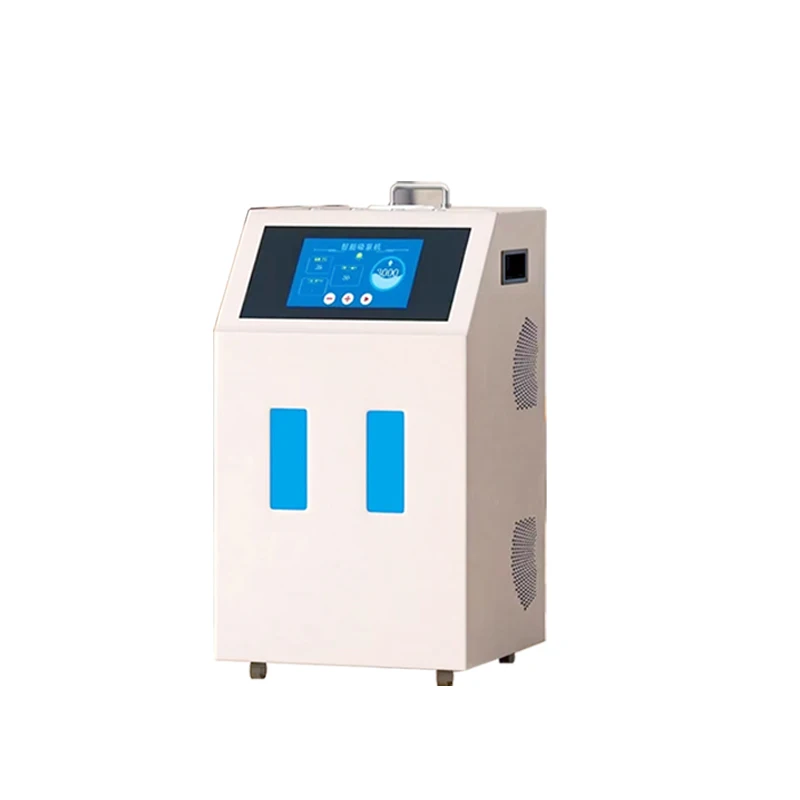
Installation format also affects suitability. A hydrogen therapy machine available in desktop or stand configurations offers flexibility for both household and clinical settings. Whether you need a hydrogen therapy machine for stationary clinic use or portable car-compatible operation, the structural design should match your operational context while maintaining full safety compliance.
Evaluating Suppliers and After-Sales Support
Supplier Credibility and Transparency
A trustworthy supplier of a hydrogen therapy machine will proactively share product certifications, manufacturing quality documentation, and test reports. If a supplier is reluctant to provide original compliance documents for their hydrogen therapy machine, that hesitation itself is a warning signal. Reputable suppliers understand that buyers evaluating a hydrogen therapy machine for medical or wellness use need verifiable proof, not promotional claims. Assess the supplier's experience in the hydrogen therapy machine category, the depth of technical support they offer, and whether they have a clear process for handling warranty claims.
Long-Term Support and Maintenance Access
Owning a hydrogen therapy machine is a long-term commitment. A well-supported hydrogen therapy machine should come with a clear warranty period, access to replacement parts, and documented maintenance intervals. Without reliable after-sales support, even a high-quality hydrogen therapy machine can become unusable if a component fails. Ask suppliers about their service network, parts availability, and technical support responsiveness before committing to any hydrogen therapy machine purchase. A hydrogen therapy machine backed by a responsive support system reduces operational downtime and protects your investment over time.
FAQ
What makes a hydrogen therapy machine truly medical-grade?
A truly medical-grade hydrogen therapy machine holds verifiable certifications from recognized regulatory bodies, delivers consistent and documented hydrogen concentration levels, uses safe construction materials, and includes built-in protection mechanisms. The hydrogen therapy machine must also comply with applicable regional medical device regulations.
How often should a hydrogen therapy machine be serviced?
Service intervals for a hydrogen therapy machine depend on usage frequency and the manufacturer's specifications. Most certified hydrogen therapy machine models recommend periodic filter replacement, water quality checks, and system performance verification. Following the hydrogen therapy machine maintenance schedule provided by the manufacturer helps ensure consistent output and long-term safety.
Can a hydrogen therapy machine be used at home without clinical supervision?
Many hydrogen therapy machine models are designed for household use, provided the device meets relevant safety standards and the user follows the operating guidelines carefully. A certified hydrogen therapy machine intended for home use should include user-friendly safety features and clear operating instructions. Consulting a health professional before beginning regular hydrogen therapy machine sessions is always a prudent step, especially for users with underlying health conditions.