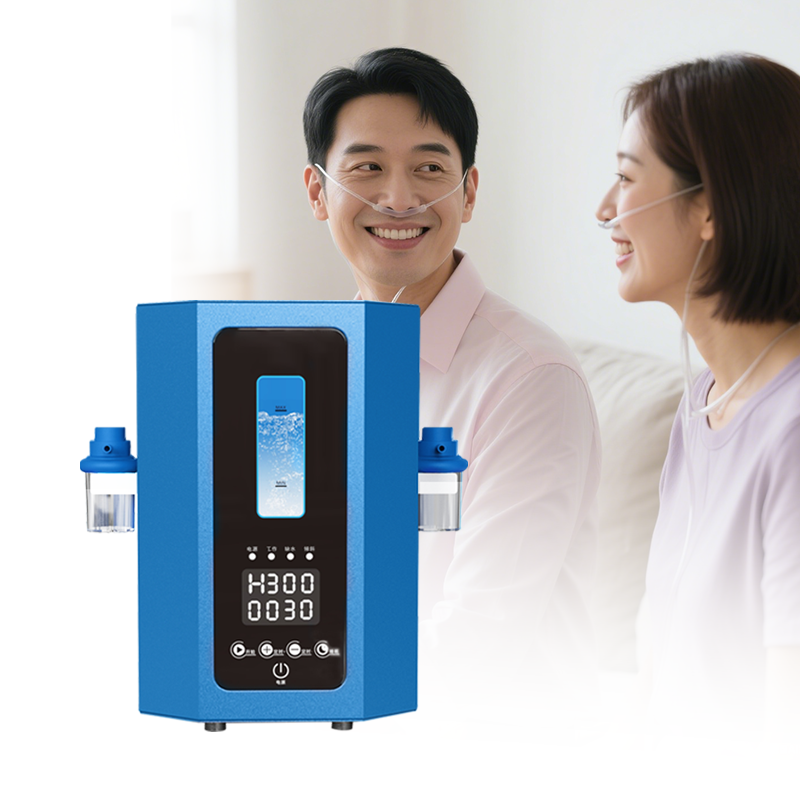
A hydrogen inhaler is no ordinary consumer appliance. It generates and delivers molecular hydrogen gas directly to the human respiratory system, which means every component that touches the gas stream, the water chamber, the tubing, and the output nozzle must meet a far stricter standard than what typical household electronics require. When users breathe through a hydrogen inhaler day after day, they deserve the confidence that nothing harmful is entering their lungs alongside the hydrogen.
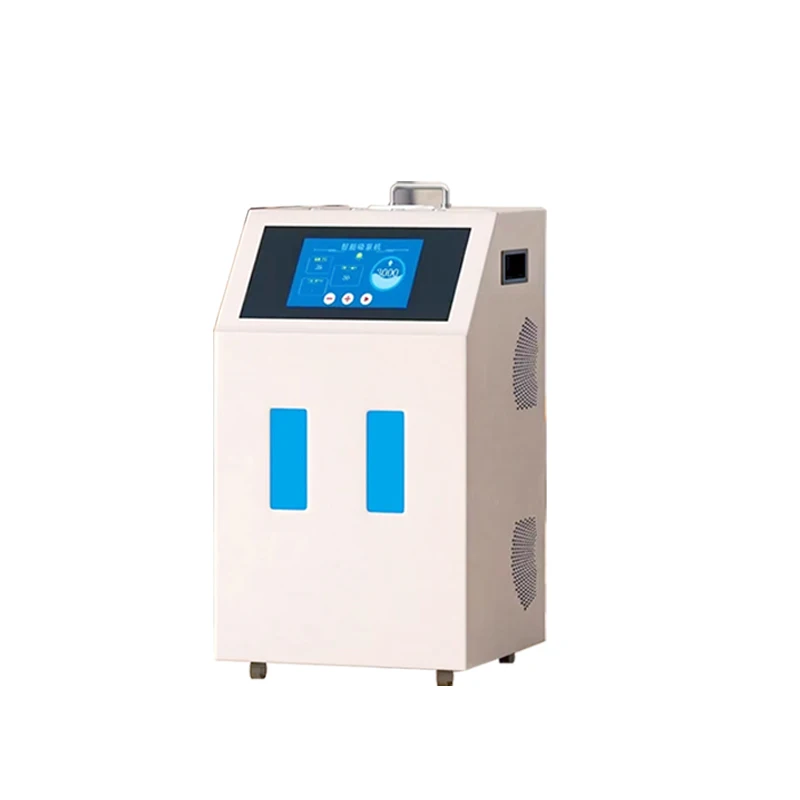
The choice to build a hydrogen inhaler from medical-grade materials is not a marketing decision. It is an engineering and safety commitment that affects product longevity, user health outcomes, and regulatory credibility. Understanding exactly why a hydrogen inhaler demands these elevated materials helps buyers make informed choices and appreciate the design discipline behind a quality device. This article explains the core reasons material grade matters so much in a hydrogen inhaler built for consistent, safe daily use.
Material Safety and Respiratory Health
Why Inert Materials Matter in a Hydrogen Inhaler
Every hydrogen inhaler generates a continuous stream of hydrogen-rich gas that passes through internal chambers and delivery pathways before reaching the user. If those pathways are made from substandard plastics or reactive metals, chemical compounds can leach into the gas stream. A hydrogen inhaler built with medical-grade stainless steel and certified non-reactive polymers eliminates this risk entirely. Medical-grade stainless steel, such as 316L grade, contains specific alloy ratios that resist oxidation and corrosion, ensuring the interior of the hydrogen inhaler stays chemically stable even during prolonged operation.
Low-grade plastics used in ordinary appliances may release trace volatile organic compounds when exposed to moisture and heat. In a hydrogen inhaler, the electrolysis process generates warmth and humidity inside the unit. A hydrogen inhaler that uses medical-grade polymer components certified for biocompatibility prevents any such off-gassing from contaminating the inhaled gas. This level of material discipline distinguishes a serious hydrogen inhaler from budget alternatives that prioritize cost over safety.
Biocompatibility Standards in a Hydrogen Inhaler
Biocompatibility means that materials used in a hydrogen inhaler will not cause adverse biological reactions when they come into prolonged contact with the body or with gases entering the body. Medical-grade materials used in a hydrogen inhaler typically conform to recognized international standards for devices intended for human use. These standards test for cytotoxicity, sensitization, and systemic toxicity. A hydrogen inhaler that sources its tubing, water tank, and nozzle components from biocompatibility-certified suppliers provides users with documented assurance that the materials are safe for regular respiratory exposure.
Durability, Consistency, and Long-Term Performance
How Material Grade Affects Hydrogen Inhaler Reliability
A hydrogen inhaler is designed for sustained daily use over months and years. The electrolysis membrane, water contact surfaces, and structural housing of a hydrogen inhaler are under constant operational stress. Medical-grade materials are manufactured to tighter dimensional tolerances and undergo stricter quality control than standard-grade alternatives. This means the internal components of a hydrogen inhaler retain their structural integrity across thousands of operating hours without warping, corroding, or degrading in ways that could compromise gas purity or device function.
The stainless steel stand and housing of a quality hydrogen inhaler serve more than an aesthetic purpose. Medical-grade stainless steel resists surface pitting and microbial adhesion, making it easier to clean and maintain. For a hydrogen inhaler used in household or clinical environments, the ability to wipe down surfaces without damaging them contributes directly to hygiene. A hydrogen inhaler with medical-grade housing maintains its appearance and sanitary profile far longer than one made from coated mild steel or consumer-grade alloys.
Consistent Output Purity in a Hydrogen Inhaler
The purity of hydrogen output from a hydrogen inhaler depends heavily on the quality of the electrolysis membrane and the water chamber it operates within. Medical-grade membranes used in a hydrogen inhaler are manufactured with precise pore structures that efficiently separate hydrogen from oxygen and prevent contamination from metal ions or particulate matter. When inferior materials are used in a hydrogen inhaler, membrane degradation accelerates, and output purity declines over time. A hydrogen inhaler built with validated medical-grade components maintains consistent gas concentration throughout its rated service life, giving users a reliable and repeatable experience.
Regulatory Compliance and User Confidence
Medical-Grade Standards That Support Hydrogen Inhaler Approval
In many markets, a hydrogen inhaler intended for health-related use must demonstrate compliance with applicable safety and quality standards before it can be sold or marketed. Medical-grade material selection is one of the foundational requirements for achieving this compliance. When a hydrogen inhaler is assembled using documented, certified materials, the manufacturer can provide regulators with traceability records that confirm each component meets the required specification. A hydrogen inhaler built without this material traceability faces significant barriers in regulated markets and exposes users to unverified risks.
Beyond regulatory approval, the use of medical-grade materials in a hydrogen inhaler builds tangible user confidence. Buyers who research a hydrogen inhaler purchase want to know that the device has been engineered with the same rigor applied to medical equipment. Knowing that a hydrogen inhaler uses 316L stainless steel, certified polymer tubing, and a validated electrolysis membrane provides a concrete, verifiable basis for trust rather than a vague marketing promise.
Long-Term Investment Value of a High-Quality Hydrogen Inhaler
A hydrogen inhaler built from medical-grade materials commands a higher initial price, but the total cost of ownership over a multi-year period is typically lower. Medical-grade components in a hydrogen inhaler resist degradation, reduce replacement frequency, and maintain consistent performance that justifies continued daily use. A hydrogen inhaler that fails prematurely due to material corrosion or membrane breakdown delivers poor value regardless of its upfront cost. Choosing a hydrogen inhaler with verified material quality is a practical financial decision as much as a safety one.
FAQ
What makes a hydrogen inhaler 'medical-grade' rather than standard?
A medical-grade hydrogen inhaler uses materials that meet certified biocompatibility, corrosion resistance, and purity standards. This includes 316L stainless steel for structural parts and validated polymer components for all gas-contact surfaces, ensuring the hydrogen inhaler is safe and stable for regular respiratory use.
Can a hydrogen inhaler with standard materials still be safe?
A hydrogen inhaler made with non-medical-grade materials may appear functional but carries unverified risks of leaching, off-gassing, or membrane degradation. Without certified material data, a hydrogen inhaler cannot reliably demonstrate the safety margin required for devices delivering gas to the human respiratory system.
How often does a medical-grade hydrogen inhaler need maintenance?
A properly built medical-grade hydrogen inhaler requires routine water replacement and periodic exterior cleaning. Because its internal components resist corrosion and degradation, the core performance of a well-maintained hydrogen inhaler remains stable over an extended service period, reducing the need for frequent part replacement compared to lower-grade alternatives.