Selecting the right hydrogen machine is critical for applications demanding both consistent performance and exceptional output purity. Whether you operate in medical, industrial, or research settings, a hydrogen machine that combines operational stability with high-purity gas generation directly impacts your results and operational costs. The best hydrogen machine balances advanced engineering, reliable component selection, and proven manufacturing standards to deliver output that meets or exceeds industry specifications consistently. Understanding what differentiates a superior hydrogen machine from standard alternatives empowers decision-makers to invest wisely and avoid costly performance compromises.
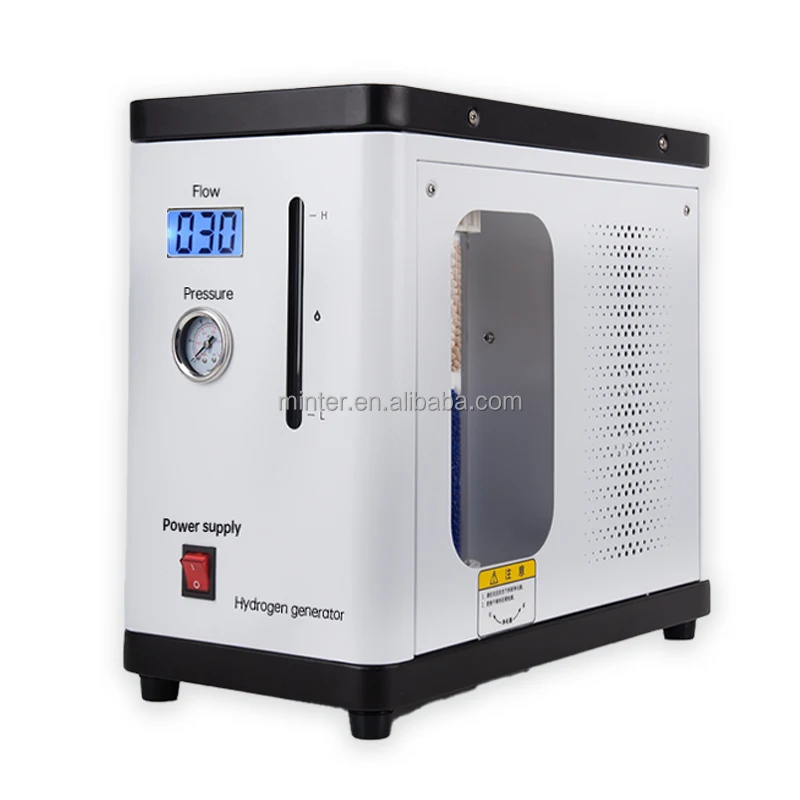
The market offers diverse hydrogen machine solutions, yet not all deliver equivalent stability or purity levels. Premium hydrogen machine models incorporate multi-stage purification systems, precise pressure regulation, and advanced moisture removal technologies that standard hydrogen machine units lack. Organizations investing in a quality hydrogen machine reduce downtime, minimize maintenance interventions, and achieve reproducible results that justify the capital investment. This guide explores the core attributes that define excellence in hydrogen machine performance and helps you identify which hydrogen machine specifications align with your operational requirements.
The purity level of your hydrogen machine output directly determines application suitability and regulatory compliance. A superior hydrogen machine achieves 99.99% purity or higher through integrated purification modules, desiccant systems, and molecular sieves that eliminate water vapor, oxygen, and trace contaminants. Industrial-grade hydrogen machine systems employ multi-barrier filtration architectures where each stage targets specific impurities, ensuring cumulative purity gains. When evaluating hydrogen machine candidates, request certified purity specifications under standard operating conditions rather than relying on marketing claims alone. The best hydrogen machine provides third-party verification of purity metrics, giving you confidence in downstream application performance.
Stability defines a hydrogen machine's ability to maintain consistent output flow, pressure, and purity across extended operating periods and varying ambient conditions. A reliable hydrogen machine incorporates precision regulator technology, automated pressure compensation, and temperature-stabilized production chambers that prevent output fluctuations. Hydrogen machine systems designed for stability feature redundant safety controls, progressive degradation monitoring, and automated shut-off mechanisms that protect against component failure propagation. The finest hydrogen machine models include real-time output telemetry, allowing operators to verify stability metrics continuously. When comparing hydrogen machine options, prioritize models with documented uptime percentages exceeding 95% and minimal performance drift over 8-hour operational cycles.
Water vapor contamination represents the primary purity challenge in hydrogen machine systems, particularly in humid environments. Superior hydrogen machine designs integrate staged desiccant cartridges, refrigerated condensers, and membrane-based water separation that collectively reduce moisture content below detectable thresholds. A high-quality hydrogen machine employs replaceable purification modules, enabling cost-effective maintenance without requiring complete unit overhaul. The best hydrogen machine products feature visual saturation indicators on desiccant cartridges, alerting operators before breakthrough occurs and preventing sudden purity degradation. Advanced hydrogen machine models also incorporate oxygen scrubbers that eliminate residual oxygen through catalytic conversion, achieving the ultra-high purity demanded by sensitive applications.
Inconsistent pressure or flow output undermines downstream application performance and creates operational inefficiencies. Premium hydrogen machine units utilize dual-stage pressure regulation with electronic feedback loops that maintain output within ±2% of setpoint across the full operating range. A dependable hydrogen machine incorporates flow monitoring sensors that detect partial blockages or membrane degradation before they compromise output quality. The most reliable hydrogen machine systems feature adjustable output settings, allowing adaptation to varying application demands without sacrificing stability. When selecting a hydrogen machine, confirm that pressure regulation remains effective across the full specified temperature and humidity range of your operational environment.
Medical-grade hydrogen machine systems must comply with stringent biocompatibility and sterility standards, requiring specialized materials and validated production protocols. A certified hydrogen machine for medical use incorporates corrosion-resistant internal components, validated sterilization compatibility, and documented safety profiles. Laboratory applications demand reproducible hydrogen machine output to ensure experimental consistency and data validity, necessitating systems with certified calibration and performance verification documentation. The best hydrogen machine for these sectors provides comprehensive compliance documentation, traceability records, and third-party certification from recognized standards bodies. Ensure your selected hydrogen machine meets or exceeds application-specific regulatory requirements before deployment.
Industrial hydrogen machine deployments prioritize durability, scalability, and operational cost efficiency across extended production schedules. A robust hydrogen machine designed for industrial use features modular architecture supporting capacity expansion and parallel-unit scaling without proportional cost increases. High-volume hydrogen machine systems incorporate automated maintenance scheduling, component lifecycle tracking, and predictive failure alerts that minimize unplanned downtime. The most effective hydrogen machine installations in production environments achieve total cost of ownership advantages through optimized energy consumption and extended component lifespan. Industrial-grade hydrogen machine models also provide integration with supervisory control systems, enabling remote monitoring and automated performance reporting.
Credible hydrogen machine manufacturers provide independently verified performance data supporting claimed specifications. A trustworthy hydrogen machine includes certification documentation covering purity output, pressure accuracy, flow stability, and energy efficiency metrics. The best hydrogen machine products reference compliance with international standards including ISO specifications for gas purity and equipment performance. Request specifications from your hydrogen machine supplier detailing calibration intervals, tolerance ranges, and environmental operating parameters. Premium hydrogen machine systems undergo third-party testing validating performance claims, providing objective assurance that the hydrogen machine meets stated specifications under real-world conditions.
Long-term hydrogen machine reliability depends on accessible maintenance support and readily available replacement components. Superior hydrogen machine manufacturers maintain documented parts inventories, provide comprehensive training, and offer rapid-response technical support. A well-supported hydrogen machine system includes predictive maintenance protocols that identify component wear before failure occurs, maximizing uptime and minimizing emergency repairs. The most reliable hydrogen machine suppliers offer on-site support options, replacement component availability, and documented service histories that track maintenance costs over the equipment lifecycle. When evaluating hydrogen machine vendors, assess their geographic service coverage, response time commitments, and technical expertise depth.
Medical, laboratory, and precision industrial applications typically require hydrogen machine output exceeding 99.99% purity to ensure application performance and regulatory compliance. Your specific hydrogen machine purity requirement depends on the downstream application's contamination tolerance, but premium-grade hydrogen machine systems consistently deliver this threshold. Request certified purity documentation from your hydrogen machine supplier and verify testing methodology aligns with recognized standards for your application sector.
Advanced hydrogen machine designs incorporate temperature-compensated regulators, humidity-responsive purification systems, and automated pressure feedback that collectively maintain consistent output despite ambient fluctuations. A quality hydrogen machine monitors internal conditions continuously and adjusts operational parameters to preserve specified performance characteristics. Temperature-stabilized hydrogen machine production chambers and regulated environmental controls ensure output stability remains within acceptable tolerances across your facility's operational range.
Most premium hydrogen machine systems require scheduled maintenance every 500–1000 operating hours, primarily involving desiccant cartridge replacement and component inspection. Your specific hydrogen machine maintenance schedule depends on usage intensity, ambient humidity, and application requirements. Consult your hydrogen machine manufacturer's guidance for maintenance protocols tailored to your operational environment, and implement predictive monitoring to identify maintenance needs before performance degradation occurs.

Minter is your one-stop-shop for top-quality healthcare products. We specialize in hydrogen inhalers,water bottles,Hyperbaric Oxygen Chamber,massage equipment,and physical therapy gear. Our products are designed to enhance your overall wellbeing and promote a healthy lifestyle. Trust Minter for durable and effective solutions that prioritize your health.
Room 932,16 / F,West Yue City,33 Jinsuo Road,Zhengzhou,Henan,China
Copyright © 2026 Zhengzhou Minter Medical Devices Co.,Ltd. All Rights Reserved | Privacy policy
 EN

