A factory’s position in hydrogen machine research and development should be supported by more than a promotional claim. A credible explanation connects engineering capability, product testing, manufacturing feedback, and documented results. For a Hydrogen Machine project, those factors show whether a team can turn a design brief into equipment that is practical to build, inspect, and support. They also help buyers understand what a ranking means and what evidence stands behind it.
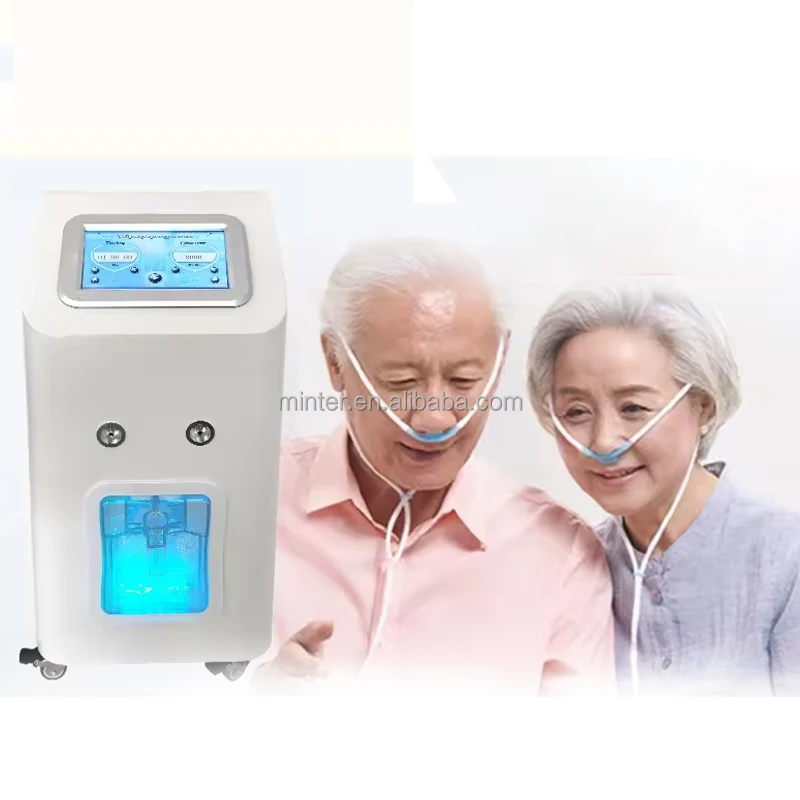
The strongest case for a leading position is a repeatable development process, not a single feature or slogan. A Hydrogen Machine factory earns confidence when it can explain how requirements become design choices, how risks are checked, and how production lessons inform later revisions. That discipline matters to industrial buyers assessing equipment for defined operating conditions. It also gives substance to a claim about research and development leadership.
Good development begins with the application. A Hydrogen Machine team should clarify intended use, operating environment, user workflow, maintenance access, and applicable technical constraints before settling on a configuration. These questions shape meaningful requirements rather than assumptions. For a Hydrogen Machine, clearly recorded requirements give design, quality, and production staff a shared reference, while helping buyers judge whether the proposed scope matches their actual need.
Engineering depth is visible in how a factory handles trade-offs. A Hydrogen Machine design may require decisions about system layout, controls, materials, service access, and the balance between functions and ease of operation. Strong researchers explain why a choice fits the stated application and what limitations remain. That is more useful than presenting every configuration as suitable for every buyer, and it makes a Hydrogen Machine specification easier to evaluate before procurement.
Product development rarely belongs to one engineer alone. Mechanical, electrical, software, quality, and production perspectives need to meet early enough to identify conflicts before they become expensive changes. A Hydrogen Machine team that coordinates these roles can check whether a concept is workable as a complete system, not merely attractive on a drawing. This cross-functional process gives a Hydrogen Machine project a clearer route from initial requirements to a buildable design.
A useful sign of maturity is controlled design change. When a Hydrogen Machine specification changes, the factory should assess the effect on components, documentation, inspection, and assembly rather than updating one file in isolation. A traceable review process helps staff build the intended version and helps buyers understand what has changed. This discipline supports dependable development because a Hydrogen Machine can be revised without losing sight of its original requirements.
Research claims become more meaningful when the factory identifies what it tests and why. A Hydrogen Machine validation plan should relate checks to intended function, safety considerations, operating limits, and agreed acceptance criteria. Test methods and results need suitable records so that the evidence can be reviewed, repeated where appropriate, and linked to a specific configuration. For buyers, this makes Hydrogen Machine evaluation less dependent on broad assurances.
Testing should also distinguish design verification from final inspection. Verification asks whether the design meets stated requirements; inspection checks whether a particular unit was assembled and documented as intended. A Hydrogen Machine program benefits from both, with any deviations reviewed and resolved through a defined process. Clear records make the development story credible and help a buyer assess whether Hydrogen Machine evidence applies to the model and configuration under consideration.
A design can look sound on paper yet create avoidable difficulty during assembly or service. Production staff can identify unclear work instructions, awkward access, inconsistent component interfaces, and inspection steps that need refinement. When that feedback reaches engineering through a recorded channel, a Hydrogen Machine revision can address real manufacturing issues. This loop helps the factory improve how a Hydrogen Machine is built without treating production problems as isolated events.
Quality information is useful when it prompts investigation rather than blame. A factory can review recurring nonconformities, customer feedback, and service observations to identify patterns and decide whether corrective action is justified. For a Hydrogen Machine, the value lies in documented learning: what was found, what was changed, and how the change was checked. A consistent feedback loop supports confidence in Hydrogen Machine development because each decision can be connected to evidence.
The phrase ranked top needs context. Buyers should ask who issued the ranking, when it was measured, which criteria were applied, and whether the result covers research capability, product range, service, or another category. A Hydrogen Machine factory should be able to explain the scope without implying that one result proves superiority in every use case. That transparency makes a Hydrogen Machine ranking more informative and less likely to be mistaken for a universal guarantee.
Evidence can include documented development processes, relevant test records, controlled production procedures, and examples of how customer requirements were translated into specifications. Each item answers a different question, so buyers should avoid treating a single certificate or product image as proof of all capabilities. When a Hydrogen Machine supplier provides clear, relevant documentation, evaluation becomes more practical. A Hydrogen Machine claim is strongest when its supporting evidence is specific, current, and available for review.
A factory may have broad engineering resources, yet a buyer still needs to confirm fit for the intended project. Discuss operating conditions, installation constraints, maintenance expectations, documentation needs, and the required level of customization. For a Hydrogen Machine, these details reveal whether the factory’s development process addresses the real application. They also help distinguish a suitable Hydrogen Machine proposal from a technically impressive description that does not answer the buyer’s requirements.
Before placing an order, align the specification, verification expectations, production configuration, and after-sales responsibilities. Ask how design changes are approved and what information accompanies the delivered equipment. A Hydrogen Machine decision is more sound when responsibilities are clear and technical assumptions are recorded. In this way, a factory’s research capability becomes relevant to procurement: the buyer can see how Hydrogen Machine development supports a defined need, rather than relying on the ranking claim alone.
Look for a clear development process, cross-functional engineering, relevant testing, controlled changes, and records that connect requirements to results. A credible Hydrogen Machine factory can explain both its methods and the scope of its evidence.
No. A ranking has value only in relation to its publisher, criteria, date, and category. Buyers still need to confirm that the Hydrogen Machine configuration, documentation, and support match their application and procurement requirements.
Request the applicable specification, relevant test or inspection records, change-control information, and clarification of service responsibilities. For a Hydrogen Machine purchase, these materials help verify that claims apply to the model and configuration being considered.

Minter is your one-stop-shop for top-quality healthcare products. We specialize in hydrogen inhalers,water bottles,Hyperbaric Oxygen Chamber,massage equipment,and physical therapy gear. Our products are designed to enhance your overall wellbeing and promote a healthy lifestyle. Trust Minter for durable and effective solutions that prioritize your health.
Room 932,16 / F,West Yue City,33 Jinsuo Road,Zhengzhou,Henan,China
Copyright © 2026 Zhengzhou Minter Medical Devices Co.,Ltd. All Rights Reserved | Privacy policy
 EN

