Choosing the right hydrogen cup is no longer a simple purchase decision. As the market for hydrogen-enriched water expands, buyers face a growing range of products that vary widely in electrolytic performance, material safety, and hydrogen concentration output. Understanding what separates a professional-grade hydrogen cup from a basic consumer model is essential before committing to any product, whether for personal wellness or B2B procurement.
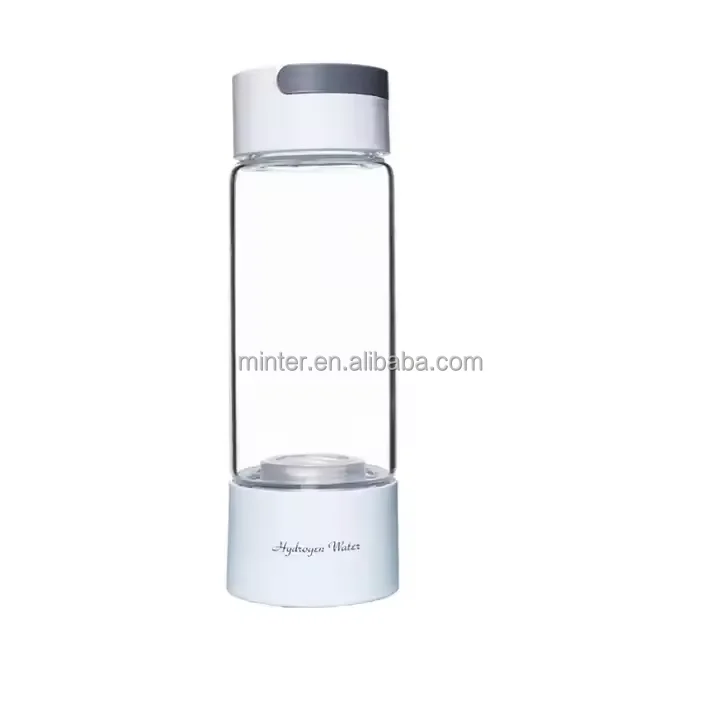
A professional hydrogen cup relies on a specific type of electrolytic cell technology to dissolve molecular hydrogen into water at measurable concentrations. Not every hydrogen cup on the market achieves this standard. Some products produce inconsistent output, use low-grade membranes, or fail to separate hydrogen from chlorine and ozone effectively. This guide walks through the critical factors you need to evaluate when selecting a hydrogen cup built to professional electrolytic standards.
The electrolytic quality of a hydrogen cup refers to how effectively the device splits water molecules to release dissolved molecular hydrogen. A high-quality hydrogen cup uses a solid polymer electrolyte membrane, often referred to as a SPE or PEM cell. This membrane ensures that the electrolysis process generates pure hydrogen gas on the drinking side while venting unwanted byproducts such as ozone and chlorine through a separate exhaust channel. When evaluating any hydrogen cup, confirming the presence of this hydrogen-oxygen separation design is the first and most important step.
A hydrogen cup that lacks proper gas separation will mix oxidative byproducts directly into your drinking water, which defeats the entire purpose of hydrogen enrichment. Professional-grade hydrogen cup designs eliminate this risk through dual-chamber electrolytic cells. The result is water with a measurably higher hydrogen concentration and no harmful gas contamination. Always verify whether the hydrogen cup you are considering uses a certified PEM or SPE electrolytic cell before purchasing.
Hydrogen concentration, measured in parts per billion or milligrams per liter, is the most direct indicator of a hydrogen cup's electrolytic performance. A professional hydrogen cup should consistently produce water with a dissolved hydrogen level of at least 1000 ppb, and premium hydrogen cup models often achieve concentrations above 2000 ppb or higher within a standard electrolysis cycle. If a hydrogen cup does not specify its hydrogen concentration output, that omission is a red flag. Reputable hydrogen cup manufacturers provide third-party test data or in-house lab certifications confirming their concentration claims.
The physical construction of a hydrogen cup matters as much as its internal technology. A professional hydrogen cup should use food-grade materials throughout, including the bottle body, lid, and all components that come into contact with water. Medical-grade titanium electrodes are the preferred standard for any hydrogen cup claiming professional electrolytic quality, as titanium resists corrosion and does not leach harmful substances during extended electrolysis cycles. Some hydrogen cup products use lower-cost electrode materials that degrade over time and contaminate the water they are supposed to improve.
The outer body of a well-designed hydrogen cup is typically made from borosilicate glass or high-quality Tritan plastic. Both materials are BPA-free and chemically stable under the thermal and electrochemical conditions that a hydrogen cup generates during operation. When comparing hydrogen cup options, ask the supplier for a full bill of materials or at minimum a statement of compliance with food-contact safety standards such as FDA, EU food-grade regulations, or equivalent certifications in your target market.
A practical hydrogen cup must balance electrolytic performance with everyday usability. Most professional hydrogen cup designs complete a standard electrolysis cycle in three to five minutes, producing a full serving of hydrogen-rich water ready to drink. The hydrogen cup should hold a sufficient battery charge for multiple cycles between charging sessions, making it genuinely portable for office, travel, or clinical use. A hydrogen cup with a very short battery life or an excessively long cycle time is unlikely to be used consistently, which undermines its value regardless of its electrolytic quality.
Charging method is another practical detail when selecting a hydrogen cup. Modern hydrogen cup models support USB-C or wireless charging, which aligns with current user expectations. A hydrogen cup that uses proprietary or obsolete charging connectors creates inconvenience and potential supply issues for B2B buyers sourcing at scale. Portability features such as a leak-proof seal, compact form factor, and durable build quality also contribute to the long-term reliability of a hydrogen cup in daily professional use.
When procuring a hydrogen cup for wholesale or professional distribution, supplier credibility is a decisive factor. A trustworthy hydrogen cup supplier will provide documentation such as CE, RoHS, or ISO certifications relevant to the product category. Third-party hydrogen concentration test reports from accredited laboratories give buyers independent confirmation that the hydrogen cup performs as claimed. A supplier who cannot provide these documents for their hydrogen cup line should be treated with caution, regardless of how competitive their pricing appears.
Professional hydrogen cup buyers should also evaluate supplier production capacity, quality control processes, and after-sales support infrastructure. A hydrogen cup that performs well in a sample batch but suffers from inconsistent production quality across large orders creates serious problems for downstream distributors and end users. Visiting the factory, requesting production audit reports, or working with verified sourcing agents are all reasonable steps when selecting a hydrogen cup partner at the B2B level.
A professional hydrogen cup should come with a clear warranty policy covering the electrolytic cell, battery, and outer housing. The electrolytic membrane in a quality hydrogen cup has a defined service life, typically measured in liters processed or months of regular use. Suppliers who offer replacement membranes and spare parts for their hydrogen cup demonstrate a commitment to long-term product support. This is particularly important for B2B buyers who need assurance that their clients can maintain and service the hydrogen cup over its full operational lifespan.
A professional hydrogen cup should produce at least 1000 ppb of dissolved hydrogen per cycle. High-performance hydrogen cup models with PEM electrolytic cells can reach 2000 ppb or above, which is considered a strong benchmark for professional-grade output.
Ask the supplier for technical documentation or a teardown diagram showing the hydrogen cup's internal cell structure. A genuine PEM hydrogen cup will feature a dual-chamber design that separates the hydrogen output side from the exhaust side, preventing byproduct contamination.
Yes, a hydrogen cup with verified professional-grade electrolytic quality is well-suited for wholesale procurement in wellness, healthcare, and premium lifestyle retail channels. Buyers should confirm certifications, request third-party lab reports, and evaluate the supplier's production capacity before placing bulk hydrogen cup orders.

Minter is your one-stop-shop for top-quality healthcare products. We specialize in hydrogen inhalers,water bottles,Hyperbaric Oxygen Chamber,massage equipment,and physical therapy gear. Our products are designed to enhance your overall wellbeing and promote a healthy lifestyle. Trust Minter for durable and effective solutions that prioritize your health.
Room 932,16 / F,West Yue City,33 Jinsuo Road,Zhengzhou,Henan,China
Copyright © 2026 Zhengzhou Minter Medical Devices Co.,Ltd. All Rights Reserved | Privacy policy
 EN
EN

