Selecting equipment for hydrogen inhalation starts with a clear question: what evidence shows that the gas delivered at the outlet is consistent and suitable for the intended setting? A Portable Hydrogen Inhaler should be assessed as a complete gas-generation and delivery system, not judged by a headline flow rate alone. Buyers need to verify gas composition, operating stability, safeguards, and documentation before comparing features.
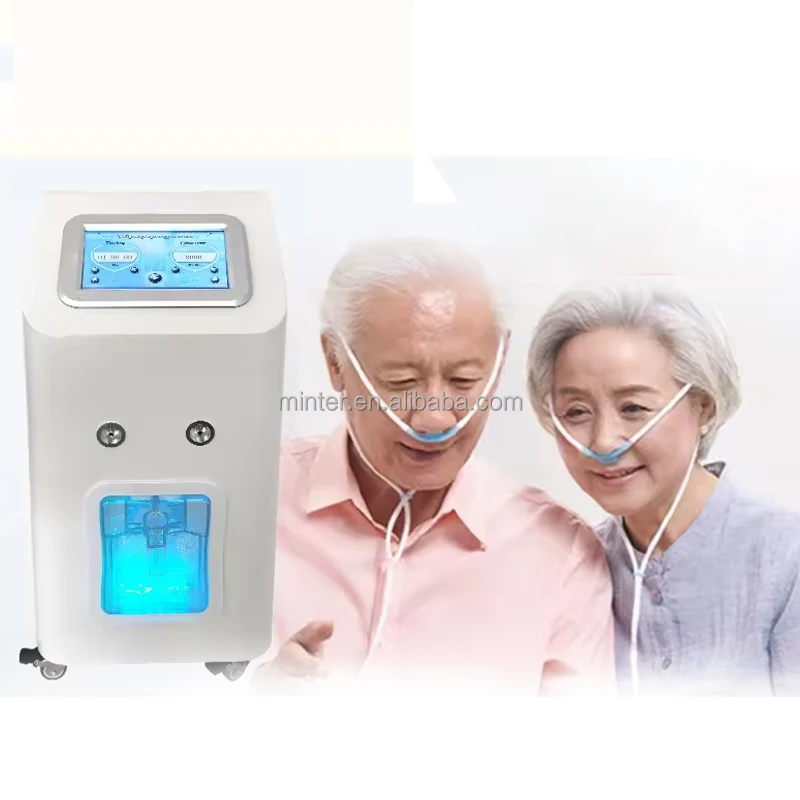
For a workplace, clinic, or other professional environment, selection also depends on who will operate the device, how often it will run, and how its output will be checked. A Portable Hydrogen Inhaler should have clearly stated gas specifications and an operating method that staff can follow. Treat the Portable Hydrogen Inhaler as process equipment: confirm what it produces, how it produces it, and what conditions can affect delivery.
Start by requesting a precise description of the outlet gas, including the intended hydrogen concentration and whether oxygen or another gas is present. A Portable Hydrogen Inhaler listing should distinguish concentration from total flow; these are different measurements and cannot substitute for one another. Ask how specifications were measured, under what operating conditions, and whether the evidence applies to the actual outlet rather than a component inside the unit.
Look for test information that names the measurement method, sampling location, test conditions, and relevant calibration details. For a Portable Hydrogen Inhaler, a concentration figure without context may be difficult to interpret or compare. Request supporting technical documents and confirm that values refer to normal operation after startup, not only an ideal laboratory condition. Clear evidence helps buyers assess whether the claimed gas quality is meaningful for their use.
A high flow number alone does not establish high gas quality. When reviewing a Portable Hydrogen Inhaler, determine whether the stated flow represents hydrogen, a hydrogen-oxygen mixture, or total output. Then ask whether composition remains stable as the unit operates and whether flow changes with operating duration, water level, or other specified conditions. This distinction is essential when comparing equipment descriptions that use similar-looking figures.
Consistency matters because operators need predictable output, not simply an attractive maximum specification. Ask for information about startup behavior, continuous operating limits, and any routine checks recommended during use. A Portable Hydrogen Inhaler should provide operating guidance that connects performance claims to real conditions. If documentation does not explain variation or test conditions, treat that gap as a question to resolve before procurement rather than assuming every unit performs identically.
Gas quality depends on the whole path from generation to delivery. Assess the water requirements, gas-generation method, outlet configuration, and any components that contact the gas. For a Portable Hydrogen Inhaler, ask how the design manages operating conditions that may affect composition or stable output. Confirm which parts require routine inspection and whether the supplied instructions explain setup, shutdown, cleaning, and maintenance in practical terms.
Controls should make operating status easy to understand. A Portable Hydrogen Inhaler may include displays, alarms, or automatic stops, but buyers should verify what each feature monitors and what action an operator should take when it activates. Ask whether the device indicates a fault, an out-of-range condition, or merely a general status. Clear controls and written procedures help staff use the equipment consistently without mistaking a display for independent proof of gas quality.
Hydrogen is flammable, so installation and use require attention to the manufacturer’s safety instructions and applicable workplace requirements. Review ventilation, ignition-source controls, electrical requirements, and any restrictions on operating location. A Portable Hydrogen Inhaler should come with understandable precautions and a defined operating environment. Ensure staff know how to respond to a fault and who is responsible for routine inspection before the unit is introduced into a shared facility.
Practical fit also includes footprint, noise, power supply, water handling, and the time needed for setup and cleaning. Compare these needs with the room and staffing available, rather than assuming a device described as portable will suit every workflow. When assessing a Portable Hydrogen Inhaler, check what accessories are included and what must be sourced separately. A good fit is one that staff can operate and maintain as directed within the intended space.
Write down the intended application and the requirements that matter most, such as verified composition, stable output, operating duration, and ease of routine checks. Use these criteria to assess each Portable Hydrogen Inhaler under consideration. Avoid choosing on one specification in isolation; a device with a strong stated flow may not meet the required gas composition or facility constraints. If a requirement cannot be verified, record it as unresolved rather than treating it as established.
In a professional setting, involve the people who will operate, maintain, and oversee the equipment. Their input can reveal workflow issues that a product sheet does not address, such as access for cleaning or clear responsibility for checks. Ask the equipment provider for manuals, test records, and maintenance guidance before final approval. A Portable Hydrogen Inhaler selection is easier to defend when its requirements and supporting evidence are documented together.
Before purchase, confirm what technical support is available, how replacement parts are identified, and what maintenance the user must perform. Check whether instructions explain acceptable water, cleaning intervals, service needs, and actions after prolonged storage. For a Portable Hydrogen Inhaler, these details affect the ability to maintain consistent operation over time. Do not infer maintenance requirements from appearance or assume that accessories are interchangeable without written confirmation.
After installation, establish a simple record of setup, operating conditions, inspections, and any faults or service actions. Follow the supplied instructions and applicable site procedures; do not modify the equipment to improve output. If the intended use involves health decisions, obtain appropriate professional guidance and do not treat device specifications as evidence of a medical benefit. Choosing a Portable Hydrogen Inhaler responsibly means maintaining the same attention to evidence after procurement as before it.
Start with the outlet gas composition and the evidence supporting it, then distinguish that information from flow rate. For a Portable Hydrogen Inhaler, request the measurement method, test conditions, and sampling point so the stated value can be interpreted accurately.
No. Flow describes the amount of gas delivered over time, while composition describes what is in that gas. Evaluate both for a Portable Hydrogen Inhaler, and confirm whether a published flow refers to hydrogen alone or to a mixed output.
Request technical specifications, relevant test information, operating and safety instructions, and maintenance guidance. These documents help determine whether a Portable Hydrogen Inhaler fits the intended setting and whether its performance claims can be understood and checked.

Minter is your one-stop-shop for top-quality healthcare products. We specialize in hydrogen inhalers,water bottles,Hyperbaric Oxygen Chamber,massage equipment,and physical therapy gear. Our products are designed to enhance your overall wellbeing and promote a healthy lifestyle. Trust Minter for durable and effective solutions that prioritize your health.
Room 932,16 / F,West Yue City,33 Jinsuo Road,Zhengzhou,Henan,China
Copyright © 2026 Zhengzhou Minter Medical Devices Co.,Ltd. All Rights Reserved | Privacy policy
 EN

