A professional-grade Hydrogen Machine for therapy is defined by verifiable safety, controlled gas output, suitable materials, and reliable operating instructions—not by appearance or broad wellness promises. Buyers should be able to assess how the Hydrogen Machine produces and delivers hydrogen, what safeguards manage foreseeable risks, and which records support its stated specifications.
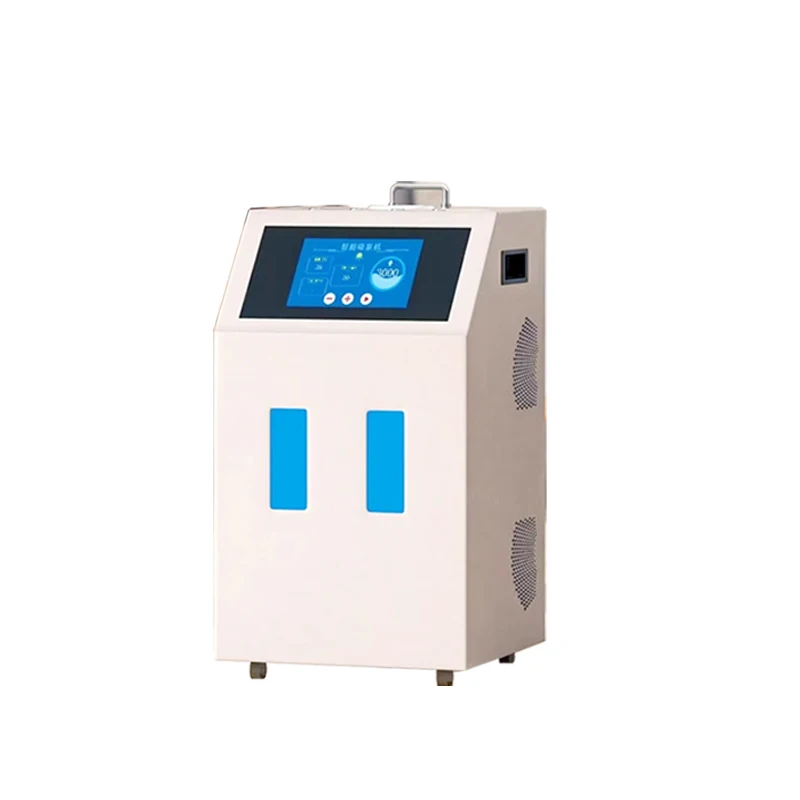
The right quality review therefore connects design claims to evidence. A Hydrogen Machine intended for therapy should have clearly stated operating limits, documented inspection and maintenance requirements, and instructions that match its actual configuration. The same review helps clinics and other professional users judge whether a Hydrogen Machine fits their setting, staff workflow, and applicable local requirements.
Start by reviewing the Hydrogen Machine’s electrical design and the documentation supporting safe operation. A professional assessment should consider the power supply, protective features, enclosure, ventilation requirements, and warnings for abnormal conditions. Ask whether the manufacturer identifies relevant electrical safety standards and provides evidence of conformity applicable to the product and the market where it will be used.
Hydrogen is a flammable gas, so the Hydrogen Machine must be evaluated as a complete system rather than as an isolated generator. Instructions should address placement, airflow, ignition sources, connection integrity, and shutdown procedures. A Hydrogen Machine should also make operating status and faults understandable to the user, with controls designed to reduce confusion during setup, routine use, and cleaning.
A credible Hydrogen Machine includes practical safeguards that correspond to its documented risk assessment. Depending on design, these may include leak-conscious connections, temperature or pressure monitoring, automatic shutdown logic, and clear limits on run time. The important standard is not the presence of a feature in marketing copy, but evidence that the feature is defined, tested, and explained for the intended use.
Instructions should identify who may operate the Hydrogen Machine, how to prepare it, and what to do if output stops or an alarm appears. They should cover cleaning, consumables, storage, and service intervals without leaving critical steps to guesswork. Before purchase, check whether the supplied instructions apply to the exact configuration, including any accessories, gas pathway, and installation method.
A professional Hydrogen Machine should state measurable output characteristics, including flow rate and gas concentration under specified operating conditions. These values need definitions, units, and a clear test method; otherwise, users cannot compare a stated specification with actual operation. Ask how output is verified, what tolerances apply, and whether results represent a tested unit or a general design target.
The Hydrogen Machine should also explain how performance may change with operating time, environmental conditions, or maintenance state. Where purity or delivery consistency matters, documentation should describe the relevant measurement method and sampling point. A Hydrogen Machine that provides traceable test records gives technical buyers a firmer basis for acceptance checks, service planning, and investigation if observed performance differs from the stated range.
Construction quality matters wherever gas or moisture contacts internal components. Review the Hydrogen Machine’s material information for the wetted pathway, seals, tubing, connectors, and any parts that require regular replacement. The supplier should explain material suitability for the declared operating conditions and provide cleaning guidance that does not compromise components or introduce unapproved substances into the pathway.
A stainless-steel exterior can support durability and easier cleaning, but it does not by itself establish the quality of the Hydrogen Machine’s internal gas path. Ask about assembly controls, leak checks, and inspection criteria. A professional-grade device should have consistent identification of replaceable parts and a service process that preserves its specified configuration after maintenance or repair.
For a Hydrogen Machine, evidence should connect design requirements with production checks and final inspection. Look for a model-specific specification sheet, test procedures, applicable conformity documents, and a serial or batch identification method. Documents should be current and consistent with the unit supplied. Broad statements such as medical grade are not a substitute for identifying the exact standard, scope, and evidence.
Ask what testing is performed before release, how deviations are handled, and whether records can be linked to a particular Hydrogen Machine. Depending on jurisdiction and intended purpose, regulatory classification and permitted claims may differ. A buyer should verify applicable requirements with qualified regulatory or clinical professionals rather than assume that one certificate covers every intended use or market.
A professional Hydrogen Machine should come with a realistic maintenance schedule, service contact process, and availability information for required components. These details affect uptime and help facilities plan staff responsibilities. Confirm that routine tasks can be completed safely by the intended operator and that repairs requiring technical expertise are clearly distinguished from user maintenance.
Finally, match the Hydrogen Machine to the intended installation and workflow. Consider available space, power requirements, ventilation, mobility, cleaning routines, and the training burden for staff. If home and clinical configurations differ, verify which operating conditions apply to the selected model. A documented fit assessment prevents a technically capable Hydrogen Machine from being used in an unsuitable environment.
Request specifications, operating instructions, applicable conformity documents, and model-specific test information for the Hydrogen Machine. Also confirm identification, maintenance guidance, and service procedures. The relevance of each document depends on the product’s intended purpose and the rules in the place of use.
No. Stainless steel may be appropriate for an exterior or particular component, but it cannot establish complete Hydrogen Machine quality. Review internal materials, gas-pathway design, assembly checks, output testing, and safety documentation together before drawing conclusions about suitability.
Not necessarily. Requirements can vary with installation, user training, operating conditions, and local regulation. Evaluate the Hydrogen Machine against the specific workflow and intended use, then confirm any clinical or regulatory questions with qualified professionals before deployment.

Minter is your one-stop-shop for top-quality healthcare products. We specialize in hydrogen inhalers,water bottles,Hyperbaric Oxygen Chamber,massage equipment,and physical therapy gear. Our products are designed to enhance your overall wellbeing and promote a healthy lifestyle. Trust Minter for durable and effective solutions that prioritize your health.
Room 932,16 / F,West Yue City,33 Jinsuo Road,Zhengzhou,Henan,China
Copyright © 2026 Zhengzhou Minter Medical Devices Co.,Ltd. All Rights Reserved | Privacy policy
 EN

