Selecting the right hydrogen bottle is critical for achieving high-purity gas-water separation in industrial and medical applications. A hydrogen bottle serves as the core component in hydrogen generation systems, where the quality of separation directly impacts the safety, efficiency, and purity of the hydrogen gas produced. When choosing a hydrogen bottle, you must evaluate multiple factors including chamber design, material composition, separator technology, and maintenance accessibility to ensure optimal performance.
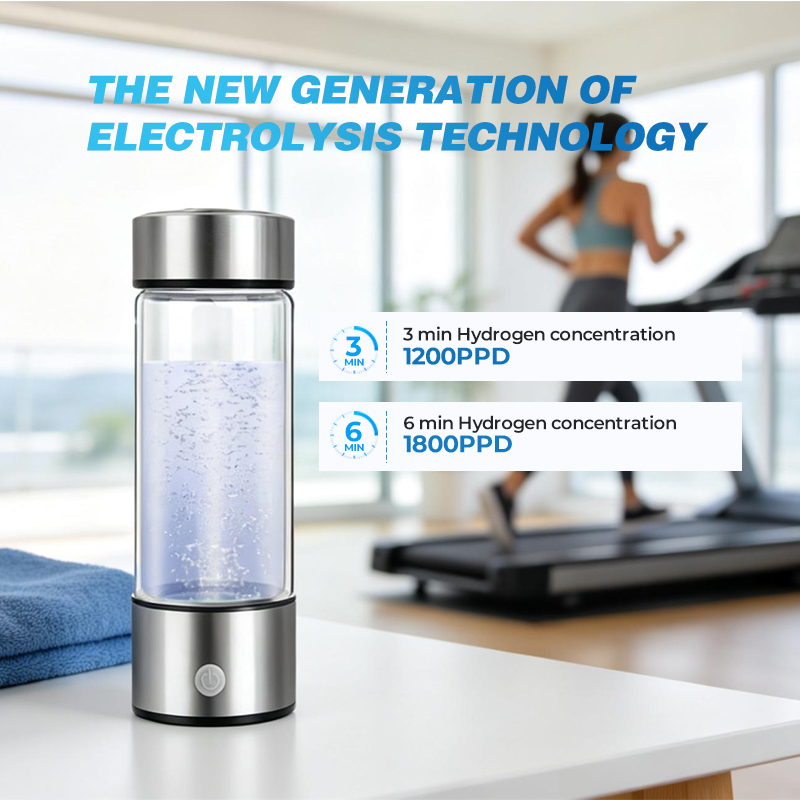
The hydrogen bottle market offers various designs, each engineered to handle different flow rates, pressure conditions, and separation requirements. Understanding the distinctions between hydrogen bottle models helps you make an informed decision that aligns with your specific application needs. This guide explores the essential criteria for selecting a hydrogen bottle that delivers consistent high-purity gas-water separation while maintaining long-term reliability and ease of operation.
Inside a hydrogen bottle, electrolysis or other hydrogen generation processes create both hydrogen gas and water simultaneously. The hydrogen bottle must physically and effectively separate these two substances to prevent water contamination in the hydrogen gas output. Most modern hydrogen bottle designs use internal baffles, mesh screens, or cyclonic chambers that force water droplets to settle or exit through a drain valve while allowing pure hydrogen gas to exit through the top outlet.
The efficiency of a hydrogen bottle's separation mechanism directly determines the purity level of the hydrogen gas. A poorly designed hydrogen bottle may allow water mist or vapor to remain suspended in the gas stream, reducing purity and potentially damaging downstream equipment. High-quality hydrogen bottle models employ multi-stage separation technology that catches water at different sizes, from large droplets to fine mist, ensuring that the hydrogen bottle delivers consistently clean, dry hydrogen gas.
Industrial and medical applications require hydrogen gas to meet strict purity standards, typically 99.8% or higher. A hydrogen bottle that fails to achieve high-purity separation can introduce contaminants that compromise equipment function, reduce process efficiency, or create safety risks. The hydrogen bottle you choose must be designed to exceed these purity benchmarks under normal operating conditions, which means investing in a model with proven separation performance and appropriate capacity for your usage volume.
The hydrogen bottle size must match your expected hydrogen consumption rate. A hydrogen bottle that is too small will struggle to meet demand, while an oversized hydrogen bottle may waste space and resources. Evaluate the hydrogen bottle's rated flow rate, typically expressed in liters per hour or milliliters per minute, and ensure it aligns with your application requirements. The hydrogen bottle capacity should provide sufficient water separation time while maintaining consistent output pressure and purity.
Flow rate specifications vary significantly across hydrogen bottle models. A hydrogen bottle designed for laboratory use may produce 200–500 mL/min, whereas industrial hydrogen bottle units can exceed 1000 mL/min. Matching your hydrogen bottle choice to the actual hydrogen demand prevents operational bottlenecks and ensures the hydrogen bottle's separator mechanism has adequate time to function effectively.
The hydrogen bottle's internal separator is the heart of gas-water separation performance. Premium hydrogen bottle designs incorporate stainless steel mesh, specialized foam, or advanced cyclonic separators that capture water with exceptional efficiency. The material of the hydrogen bottle itself should be food-grade or medical-grade stainless steel, which resists corrosion and ensures long-term durability without introducing contaminants into the hydrogen gas stream.
Examining the hydrogen bottle's construction details reveals critical quality indicators. High-end hydrogen bottle models feature double-layered separators, integrated drainage ports that prevent water backflow, and sealed joints that eliminate leakage points. A robust hydrogen bottle design ensures that even under continuous operation, the separator maintains optimal performance and the hydrogen bottle consistently delivers pure hydrogen gas without degradation.
The hydrogen bottle must be rated for the maximum pressure generated by your hydrogen generation system. This specification is typically displayed in bar or psi and indicates the hydrogen bottle's structural integrity and safety threshold. A hydrogen bottle with an appropriate pressure rating prevents rupture, leakage, or separation failure. Additionally, look for hydrogen bottle models equipped with pressure relief valves, check valves, and overpressure protection to safeguard against system faults.
Different applications demand different hydrogen bottle specifications. In medical oxygen therapy or cosmetic applications, the hydrogen bottle must prioritize purity and consistency, often requiring advanced separation with real-time monitoring. In industrial hydrogen welding or fuel cell applications, the hydrogen bottle must handle higher pressures and larger volumes while maintaining separation efficiency. Evaluate whether your hydrogen bottle choice supports your specific industry's regulatory requirements and performance benchmarks.
Laboratory settings typically use compact hydrogen bottle models with lower flow rates but exceptional purity control. Industrial environments require hydrogen bottle units with robust separators and easy maintenance access. Healthcare facilities need hydrogen bottle systems with certified safety features and regulatory approvals. By understanding your application category, you can narrow your hydrogen bottle options to models specifically engineered for your use case.
A hydrogen bottle is only effective if you can maintain it properly. Select a hydrogen bottle model with accessible drainage ports, easily replaceable separator elements, and clear maintenance intervals. A well-designed hydrogen bottle allows routine water removal without disassembling the entire unit, reducing downtime and operational costs. The hydrogen bottle documentation should include clear maintenance procedures, recommended replacement schedules for separator components, and troubleshooting guidance.
Long-term hydrogen bottle performance depends on consistent upkeep. A hydrogen bottle that requires excessive maintenance or features hard-to-access components may lead to neglect and deteriorating separator performance. Investing in a hydrogen bottle with user-friendly design and straightforward maintenance procedures ensures sustained high-purity gas-water separation and extends the hydrogen bottle's operational lifespan.
When evaluating hydrogen bottle options, prioritize models certified by relevant regulatory bodies. A hydrogen bottle carrying certifications from industry standards organizations demonstrates that the hydrogen bottle has undergone rigorous testing for safety, purity output, and durability. Look for hydrogen bottle certifications related to pressure equipment, medical device standards, or industrial hydrogen system protocols, depending on your application field.
Third-party testing of hydrogen bottle performance provides objective evidence of separation efficiency and gas purity claims. A hydrogen bottle manufacturer that publishes test results, pressure ratings, and performance guarantees offers greater confidence than one making unsubstantiated claims. Request documentation showing how the hydrogen bottle achieves its advertised purity specifications and ensure the hydrogen bottle's performance data matches your operational requirements.
The hydrogen bottle's lifespan directly affects your total cost of ownership. A hydrogen bottle built with premium materials and proven separator technology may have a higher upfront cost but delivers years of reliable service. Conversely, a low-cost hydrogen bottle with substandard components may fail prematurely, requiring expensive replacements and operational disruptions. Evaluate the hydrogen bottle's warranty terms, expected maintenance costs, and manufacturer reputation to assess true long-term value.
A hydrogen bottle achieves effective gas-water separation through advanced internal separator designs that capture water droplets and mist while allowing hydrogen gas to pass freely. The hydrogen bottle's separator technology, combined with appropriate chamber size and drainage mechanisms, ensures water is continuously removed and prevented from contaminating the hydrogen gas output. Multi-stage separation within the hydrogen bottle maximizes purity and reliability.
Verify that the hydrogen bottle's technical specifications list the achievable purity percentage, typically expressed as 99.8% or higher. A hydrogen bottle should include performance test results demonstrating how it meets or exceeds your application's purity standards. Request documentation from the hydrogen bottle manufacturer confirming that laboratory testing validates the advertised purity specifications under your expected operating conditions.
Maintenance frequency depends on the hydrogen bottle's operating hours and water separation volume. Most hydrogen bottle models require drainage checks daily or weekly, with separator component inspection or replacement every 3–12 months. Consult the hydrogen bottle manufacturer's maintenance guide for your specific model, as adherence to recommended schedules ensures the hydrogen bottle continues delivering high-purity gas-water separation throughout its operational life.

Minter is your one-stop-shop for top-quality healthcare products. We specialize in hydrogen inhalers,water bottles,Hyperbaric Oxygen Chamber,massage equipment,and physical therapy gear. Our products are designed to enhance your overall wellbeing and promote a healthy lifestyle. Trust Minter for durable and effective solutions that prioritize your health.
Room 932,16 / F,West Yue City,33 Jinsuo Road,Zhengzhou,Henan,China
Copyright © 2026 Zhengzhou Minter Medical Devices Co.,Ltd. All Rights Reserved | Privacy policy
 EN
EN

