Selecting the right hydrogen machine requires more than just comparing price tags or browsing product listings. For buyers in industrial, medical, and wellness sectors, choosing a hydrogen machine with proper international certifications is essential to ensure safety, efficacy, and regulatory compliance. A certified hydrogen machine delivers reliable performance, meets established quality benchmarks, and protects your investment by guaranteeing that the equipment adheres to rigorous international standards. Without certification verification, you risk purchasing substandard equipment that may fail prematurely, deliver inconsistent results, or expose users to safety hazards.
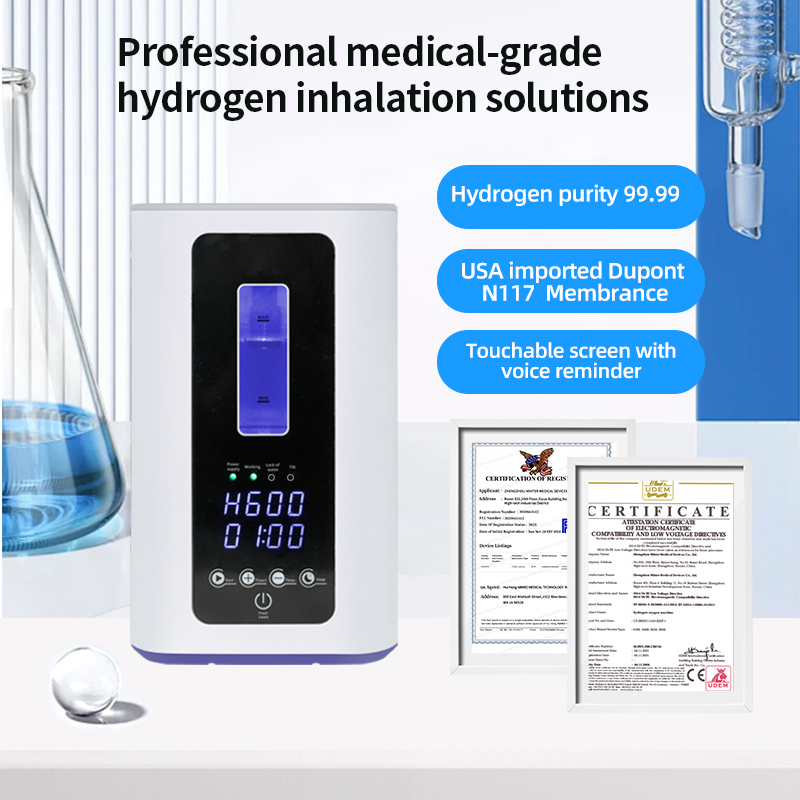
The process of selecting a hydrogen machine with international certifications involves understanding what certifications matter, evaluating manufacturer credibility, assessing technical specifications, and confirming compliance documentation. This guide walks you through each critical step so you can make an informed decision and purchase a hydrogen machine that meets your operational needs while satisfying regulatory and safety requirements.
International certifications for a hydrogen machine come from recognized regulatory bodies that establish safety, performance, and quality standards. The most relevant certifications include CE marking in Europe, which indicates that your hydrogen machine complies with European Union safety directives. In North America, UL (Underwriters Laboratories) certification validates that a hydrogen machine meets safety and performance standards. ISO certifications, particularly ISO 13485 for medical devices, confirm that a hydrogen machine manufacturer maintains quality management systems throughout production. When evaluating any hydrogen machine, verify that it carries certifications from organizations recognized in your target market or region of operation.
A hydrogen machine certified under international standards guarantees that the product has undergone rigorous testing and inspection. These standards cover electrical safety, material compatibility, output consistency, and user protection mechanisms. When you purchase a hydrogen machine with proper certifications, you gain assurance that the equipment has been independently verified to meet minimum performance benchmarks. This certification provides legal protection and demonstrates that the manufacturer has invested in quality control. A hydrogen machine without proper international certifications may lack documented evidence of safety testing or performance validation, creating liability and operational risks.
Before committing to a hydrogen machine purchase, research the manufacturer's history, certifications, and customer feedback. A credible hydrogen machine manufacturer maintains transparent documentation of all certifications and readily provides proof of compliance. Look for companies with established track records, industry recognition, and documented customer case studies. When reviewing a hydrogen machine supplier, check whether they participate in industry associations, attend relevant conferences, and publish technical documentation. Manufacturers of quality hydrogen machines often have multiple certifications, long operational histories, and clear communication about their quality assurance processes. Red flags include vague certification claims, unwillingness to provide documentation, and lack of identifiable contact information or facility details.
A reliable hydrogen machine manufacturer provides comprehensive technical specifications, safety manuals, and maintenance guidelines. Request detailed product documentation for any hydrogen machine you are considering, including schematics, performance curves, material certifications, and test reports. This documentation should clearly state the hydrogen machine's output capacity, purity levels, operating parameters, and safety features. Legitimate hydrogen machine providers make this information accessible and explain technical details in clear language. The availability of detailed documentation reflects manufacturer confidence in their hydrogen machine quality and helps you make data-driven decisions about whether the equipment fits your specific requirements and regulatory environment.
While certifications validate overall safety and design, the actual performance of your hydrogen machine depends on consistent output and hydrogen purity. Quality hydrogen machines maintain stable purity levels across extended operating hours, ensuring reliable results whether used in clinical settings, research laboratories, or industrial applications. Look for hydrogen machine specifications that detail purity percentages, output stability ranges, and quality control test frequencies. Advanced hydrogen machines include built-in monitoring systems that track output metrics in real-time. When comparing hydrogen machine options, request performance data from independent testing or ask for trial periods that allow you to verify output consistency yourself.
A premium hydrogen machine incorporates multiple safety layers beyond basic certification compliance. These may include automatic shut-off systems, pressure relief valves, gas leak detection, electrical surge protection, and thermal management. Examine the safety features of your chosen hydrogen machine by reviewing the user manual and asking technical questions of the supplier. The hydrogen machine should have clear warning labels, emergency stop mechanisms, and fail-safe designs that prevent operation under unsafe conditions. A hydrogen machine with robust safety features reduces accident risk, liability exposure, and operational downtime. Compare safety specifications across hydrogen machine models to identify which design philosophy prioritizes user protection alongside regulatory compliance.
Cost is a legitimate consideration, but the lowest-priced hydrogen machine may not offer the best value if it lacks proper certifications or has limited safety features. Instead, balance cost against the total value proposition: what certifications does the hydrogen machine carry, what warranty period is included, how responsive is technical support, and what spare parts availability exists. A hydrogen machine representing true value delivers certified quality, reliable performance, and responsive manufacturer support at a competitive but not suspiciously low price. When evaluating hydrogen machine options, request quotes from multiple suppliers and compare the complete package, not just purchase price. Consider total cost of ownership, including maintenance, spare parts availability, and potential downtime costs if a cheaper hydrogen machine fails prematurely.
Reputable hydrogen machine suppliers often offer trial periods or money-back guarantees, allowing you to verify performance before committing fully. Use trial periods to test whether the hydrogen machine meets your output requirements, integrates well with existing equipment, and operates as specified. Run performance tests during the trial to confirm that hydrogen machine output remains consistent across different usage scenarios. Request documentation of all performance metrics during your trial period. A hydrogen machine supplier confident in their product quality will encourage testing and provide support during this verification phase. Trial periods reduce purchase risk and ensure your hydrogen machine selection aligns with operational reality rather than specification sheets alone.
The most critical certifications depend on your geographic market and application, but generally include CE marking for European markets, UL certification for North America, and ISO 13485 for medical-grade applications. Your hydrogen machine should carry certifications from recognized international bodies relevant to your region. Always verify that these certifications appear in official certification databases rather than relying solely on manufacturer claims about their hydrogen machine.
Contact the certification body directly to verify your hydrogen machine's credentials by referencing the certification number and manufacturer name. Reputable certification organizations maintain public databases where you can confirm the status of any hydrogen machine certificate. Request original certification documents from the manufacturer, not copies, and look for security features like holograms or tamper-evident elements. A legitimate hydrogen machine supplier will provide transparent access to all certification documentation and encourage independent verification.
While more certifications can indicate thoroughness, a hydrogen machine with all relevant certifications for your specific application matters more than maximizing the total number. A hydrogen machine designed for medical use needs ISO 13485 and appropriate medical device certifications, whereas an industrial hydrogen machine might need different standards. Focus on whether the hydrogen machine holds certifications matching your regulatory requirements and use case rather than assuming more certifications automatically equals better quality for your needs.

Minter is your one-stop-shop for top-quality healthcare products. We specialize in hydrogen inhalers,water bottles,Hyperbaric Oxygen Chamber,massage equipment,and physical therapy gear. Our products are designed to enhance your overall wellbeing and promote a healthy lifestyle. Trust Minter for durable and effective solutions that prioritize your health.
Room 932,16 / F,West Yue City,33 Jinsuo Road,Zhengzhou,Henan,China
Copyright © 2026 Zhengzhou Minter Medical Devices Co.,Ltd. All Rights Reserved | Privacy policy
 EN
EN

